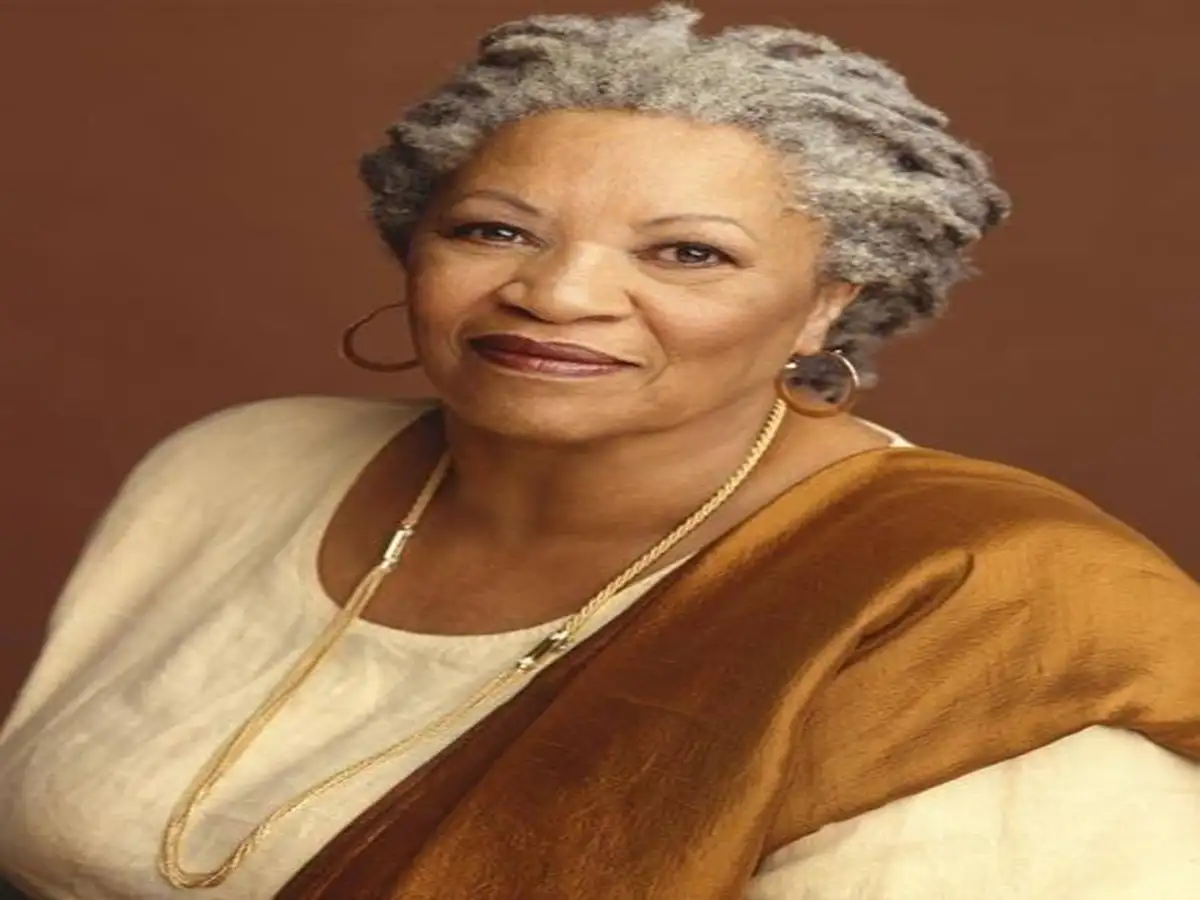
Rivers return to the sea. Rain falls back to earth. Oceans rise, retreat and return again. Few writers understood the emotional symbolism of memory and longing as deeply as Toni Morrison. Decades after her novels transformed American literature, one of her most haunting lines continues to resonate with readers around the world.
Quote of the Day by Toni Morrison
“All water has a perfect memory and is forever trying to get back to where it was.”
The quote is quiet, poetic and deceptively simple. But beneath its beauty lies a powerful reflection on grief, identity, trauma and the emotional pull of the past. Like much of Morrison’s work, the line speaks to something universal — the way human beings carry memories within them, no matter how far they travel or how much time passes.
Toni Morrison’s writing often explored memory and emotional survival
Born in 1931 in Lorain, Ohio, Toni Morrison became one of the most influential writers in modern literature. Her novels, including Beloved, Song of Solomon, Sula and The Bluest Eye, explored Black identity, generational trauma, memory, motherhood and survival with extraordinary emotional depth.
In 1993, she became the first Black woman in history to receive the Nobel Prize in Literature. But Morrison’s influence reached far beyond awards and academic recognition. Her writing connected deeply with readers because she understood how the past continues to shape the present. The emotional connection is exactly what makes this quote so memorable.
Water in Morrison’s work often symbolised memory, history and emotional movement. Like water, human emotions rarely stay still. They return, resurface and flow back toward unresolved experiences. Pain buried years earlier can suddenly reappear through a smell, a song, a place or a single conversation. The quote captures that emotional cycle perfectly.
Why the quote feels so personal to modern readers
“All water has a perfect memory and is forever trying to get back to where it was.”
The line resonates because it reflects something many people experience but struggle to explain. Human beings often carry invisible emotional histories inside them. Childhood experiences, heartbreak, trauma, regret and love rarely disappear completely. Even when people move forward with life, parts of them continue drifting back toward old emotions and unfinished memories.
In today’s world, where conversations about mental health, trauma and healing have become more open, Morrison’s words feel especially relevant. Many people spend years trying to outrun painful experiences, only to realise that unresolved emotions eventually return in unexpected ways.
The quote also speaks to nostalgia and identity. Just as water naturally seeks its source, people often feel emotionally connected to places, relationships or versions of themselves they can never fully leave behind. That emotional pull can be comforting, painful or both at the same time.
What does the quote teach us about memory and healing?
One reason the line remains so powerful is because Morrison does not describe memory as something weak or passive. Instead, she presents it as a force of nature.
Water never truly forgets where it came from. In the same way, people rarely erase emotional experiences completely. Memories shape personalities, fears, desires and relationships, even when they remain unspoken.
But the quote is not entirely pessimistic. Hidden within it is also the idea that returning to emotional truths can become part of healing.
Many people spend years avoiding painful memories because they fear vulnerability. Yet Morrison’s words suggest that confronting the past may be necessary for emotional peace. Water returns because it is searching for balance. Human beings often do the same emotionally, revisiting unresolved feelings until they finally understand them.
That theme appeared repeatedly throughout Morrison’s novels, especially in Beloved, where memory itself almost becomes a living presence haunting the characters.
Rather than portraying emotional scars as weakness, Morrison treated them as part of human survival.
Toni Morrison’s legacy continues to grow years after her death
Over the years, Toni Morrison became far more than a novelist. She became a cultural voice whose work reshaped conversations around race, history, womanhood and storytelling in America, as per Britannica.
Beyond writing, she also helped amplify Black voices during her years as an editor at Random House, where she published and supported works by influential Black writers and public figures.
Even after her death in 2019, Morrison’s words continue spreading across classrooms, social media and literature discussions worldwide. Quotes like this one regularly go viral because they express emotions people instantly recognise within themselves.
The brilliance of Morrison’s writing was never just in its complexity. It was in her ability to make deeply philosophical ideas feel intimate and human.
Today, as people continue searching for meaning in a fast-moving and emotionally exhausting world, her words remain timeless. As sometimes the hardest thing about memory is not forgetting. It is realising that a part of us is always trying to return to where it once belonged.