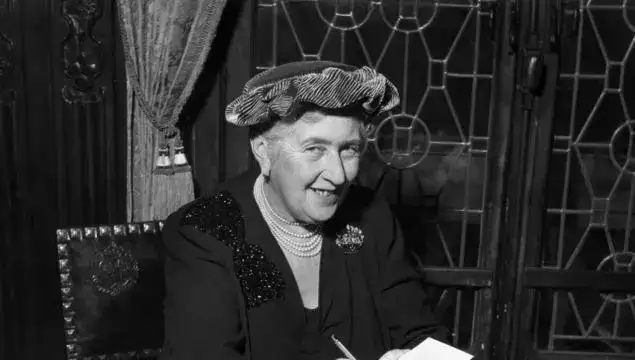
Quote of the Day by Agatha Christie: Memories have a powerful influence on human emotions and personal identity. They connect people to moments of happiness, love, regret, loss, and experiences that shape who they become over time. While some memories provide comfort and warmth, others carry emotional pain that can remain deeply rooted in the heart long after the moment has passed. Remembering often becomes a reminder of things that cannot be changed, relived, or recovered.
Her powerful quote, “One of the saddest things in life, is the things one remembers,” highlights the emotional weight that memories can carry throughout life. In today’s world of emotional reflection, nostalgia, and personal struggles, this quote continues to hold deep meaning. It reminds people that some of life’s greatest sadness comes not only from painful events themselves, but from the lasting memories attached to them. Agatha Christie’s words continue to inspire conversations about loss, emotional healing, human vulnerability, and the bittersweet nature of remembering moments that once held deep importance.
Quote of the Day Today: Agatha Christie on past, memories and grief
Quote of the Day by Agatha Christie: “One of the saddest things in life, is the things one remembers.”
Meaning of Agatha Christie’s Quote About Memories
Agatha Christie’s quote, “One of the saddest things in life, is the things one remembers,” explores the emotional power of memory and the lasting impact certain experiences leave on human life. The phrase “the things one remembers” symbolizes painful memories, regrets, losses, emotional wounds, and moments that continue to stay in the mind long after they have passed. Christie suggests that sadness often comes not only from the event itself, but from the memories that remain impossible to erase.
However, the deeper meaning of the quote emphasizes that memory is closely connected to human emotion and personal identity. Certain experiences become emotionally permanent because they carried deep meaning, love, pain, or significance. While memories can bring comfort and nostalgia, they can also reopen emotional wounds and remind people of moments they can never relive or change. The quote reflects the bittersweet reality that remembering is both a gift and a burden of human life.
Early Life of Agatha Christie
Agatha Christie was born on September 15, 1890, in Torquay, Devon, England, into a wealthy and educated family. She was raised in a comfortable environment that encouraged imagination, curiosity, and creativity from an early age. Unlike many children of her time, Christie was educated mostly at home by her mother, who believed children should develop naturally through reading and exploration. She showed an early interest in storytelling, books, and music, which later became important influences in her literary career.
Her childhood was filled with strong imaginative experiences and exposure to literature, helping her develop a creative mind and sharp observational skills. These early influences later contributed to her ability to create psychologically rich characters and emotionally engaging mysteries.
Education and Creative Development
Although Agatha Christie did not receive a traditional university education, she developed extensive knowledge through self-learning, reading, and life experiences. She studied music and piano in Paris for a period and was deeply interested in the arts during her youth. However, she eventually realized that writing suited her talents more naturally than performing music professionally.
During World War I, Christie worked as a nurse and later in a hospital dispensary, where she gained knowledge about medicines and poisons. This experience later became one of the defining features of her detective novels, many of which involved carefully planned poisoning cases and forensic detail. Her exposure to human suffering, psychology, and observation during this time strengthened her understanding of human behavior.
Rise as a Writer and Literary Fame
Agatha Christie rose to fame after publishing her first detective novel, The Mysterious Affair at Styles , in 1920, which introduced the famous detective Hercule Poirot. She later created another iconic detective, Miss Marple, who became equally beloved by readers around the world. Christie became known for her brilliant plot twists, psychological depth, suspenseful storytelling, and ability to surprise readers until the final pages.
Some of her most famous works include Murder on the Orient Express , Death on the Nile , And Then There Were None , and The Murder of Roger Ackroyd . Her stories transformed detective fiction and made her one of the best-selling authors in literary history. Her ability to explore human emotions, secrets, guilt, and memory added emotional complexity to her mysteries.
Fame, Personal Challenges, and Later Life
At the height of her success, Agatha Christie became an internationally celebrated literary figure. Despite her fame, her personal life included emotional struggles, including the breakdown of her first marriage and periods of emotional stress. These experiences influenced the emotional depth found in many of her characters and themes.
Christie later married archaeologist Max Mallowan, and their travels across the Middle East inspired several of her later novels. Throughout her life, she continued writing prolifically, producing novels, plays, and short stories that remained popular across generations. Her famous play The Mousetrap became the longest-running stage play in history.
Legacy and Lasting Influence
Agatha Christie passed away on January 12, 1976, at the age of 85. She is remembered as one of the greatest mystery writers of all time and is often called the “Queen of Crime.” Her works have been translated into numerous languages and adapted into films, television series, and stage productions across the world.
Today, Christie’s writing continues to influence literature, cinema, and popular culture. Her exploration of memory, human psychology, guilt, and emotional complexity gives her stories timeless appeal. Quotes like “One of the saddest things in life, is the things one remembers” continue to resonate because they reflect universal human emotions connected to loss, reflection, and the lasting power of memory.
Why the Past Continues to Live in the Human Heart
The past often remains alive in the human heart because emotional experiences leave deep and lasting impressions on memory. Moments connected to love, happiness, regret, grief, or personal loss become emotionally significant, making them difficult to forget even as time passes. Human beings naturally hold onto memories that shaped their identity or changed their lives in meaningful ways. Sometimes a familiar place, song, photograph, or conversation can instantly bring back emotions from years earlier. This happens because memory is closely tied to human feelings and personal experiences. While time may soften emotional pain, certain memories continue to live within people because they represent important chapters of life. The past stays alive not only through remembrance, but through the emotions, lessons, and connections attached to those unforgettable moments.
Life Lessons from Agatha Christie’s Famous Quote
The timeless quote teaches that memories have a deep emotional influence on human life and can shape a person’s thoughts, emotions, and identity for years. Certain experiences remain unforgettable because they are connected to love, loss, regret, or important moments that carried emotional meaning. The quote highlights that sadness often comes from remembering things that cannot be changed, relived, or recovered. In modern life, where people constantly reflect on the past and emotional experiences, Christie’s words remind us that memories can be both beautiful and painful. They teach emotional awareness, human vulnerability, and the importance of valuing meaningful moments while they still exist.
Why This Quote Still Matters Today
Agatha Christie’s quote remains highly relevant today because many people continue to struggle with emotional memories, nostalgia, regret, and personal loss. In a fast-moving world filled with emotional pressure and constant change, memories often become a strong connection to people, relationships, and moments from the past. The quote reminds us that emotional pain is sometimes carried not through present situations, but through memories that continue to live in the mind. Modern discussions about mental health, healing, and emotional well-being make Christie’s message even more meaningful today. Her words continue to highlight the emotional complexity of human life and the lasting impact certain experiences leave behind.
Emotional Wisdom
The inspiring quote, “One of the saddest things in life, is the things one remembers,” reflects a timeless truth about memory and human emotion. Life experiences do not disappear completely because the mind continues to preserve moments connected to deep feelings and emotional significance. While memories can provide comfort and identity, they can also carry sorrow and longing for things that are gone forever. This wisdom remains powerful because it reminds people that emotional experiences shape human life long after the moment ends. True emotional growth comes not from forgetting the past entirely, but from learning how to live with the memories that continue to stay within us.