Five spitting llamas, 200 horses, several fertilised duck eggs but likely no partridges in pear trees.
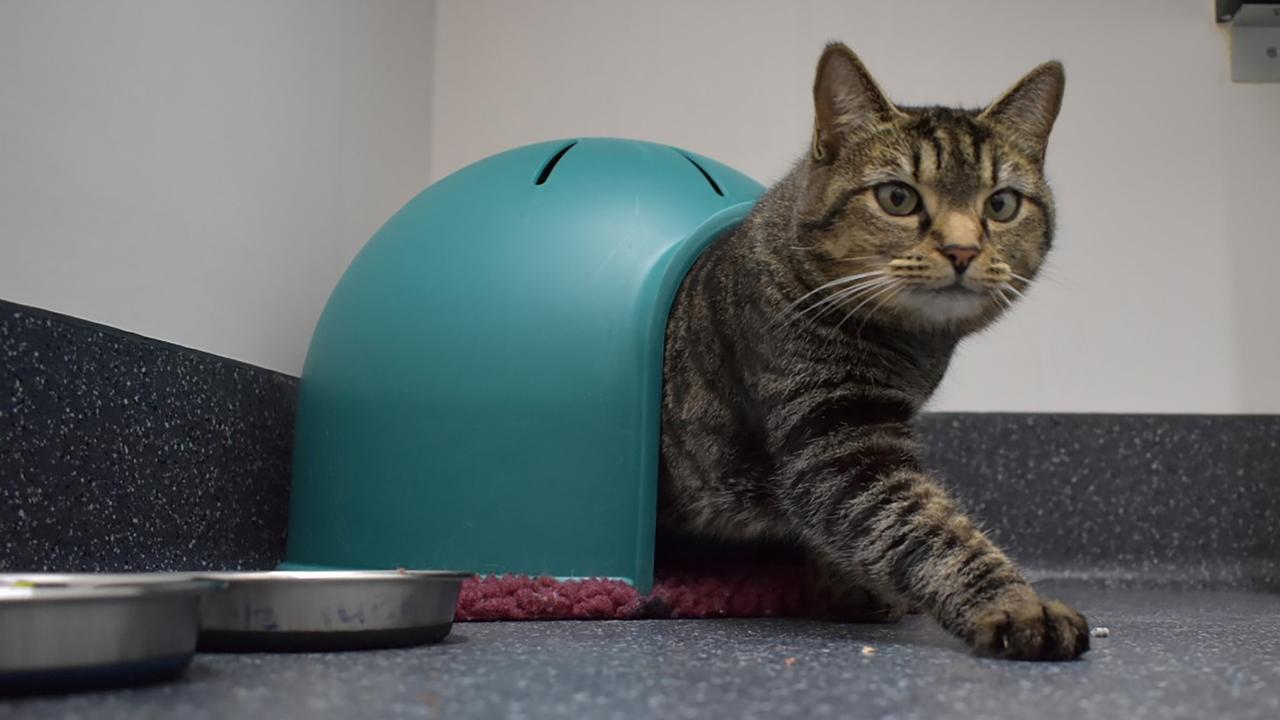
Hundreds of pets hoping to spend their summer in Australia have first had to bide out their time in quarantine.
Every year, more than 6000 animals go through the process as part of an effort to protect local ecosystems and agriculture from pests and diseases.
Dogs, cats, horses and camelids - like camels and alpacas - who meet import conditions must isolate at the Post Entry Quarantine Facility in Mickleham, north of Melbourne, where they are monitored and tested for illnesses and treated by vets and biosecurity officers.
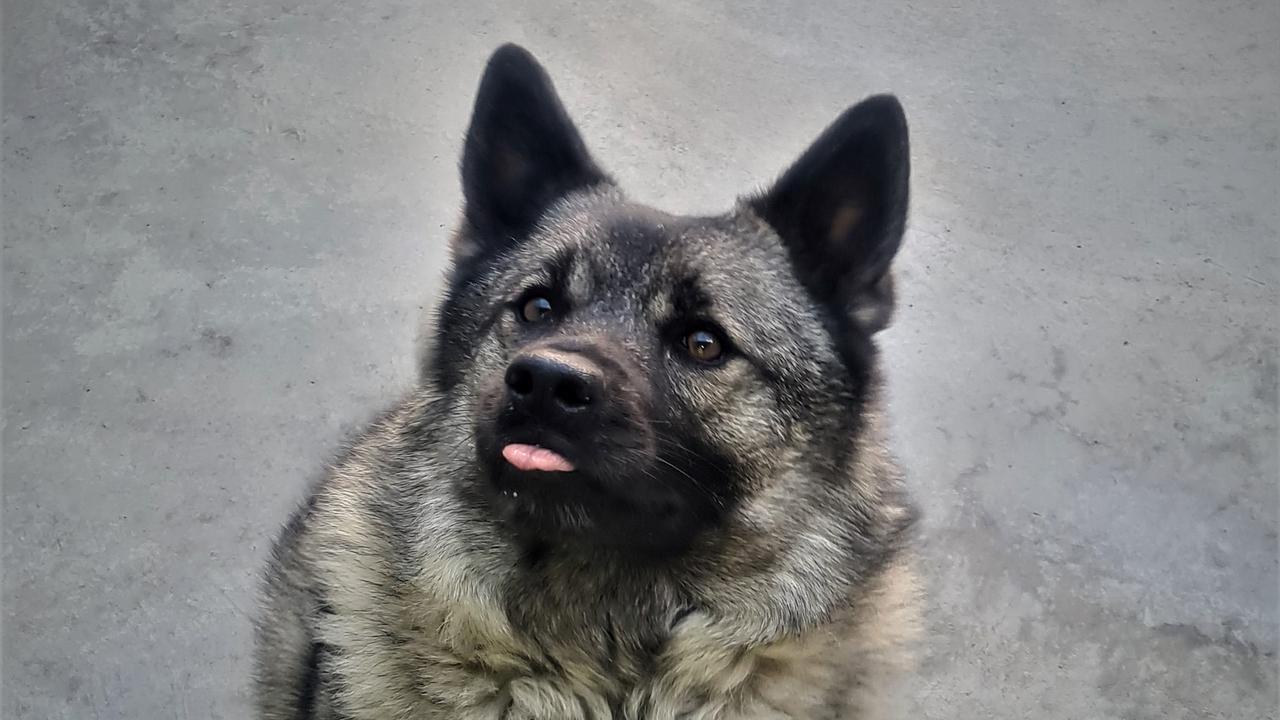
Five American llamas have booked a stay at the facility this holiday period, as have nearly 200 horses from Singapore, Hong Kong, the Netherlands, the UK and Germany.
The facility will also host fertilised duck eggs for the first time, where they will be incubated and hopefully hatch.
For the first nine weeks of their lives, the ducklings will live at the high containment unit of the facility to prevent avian influenza seeping into the Australian ecosystem.
Agriculture Minister Murray Watt said the animals would be able to go to their new home if they met all import permit conditions.
"Every year, we protect our agriculture, environment and way of life with our animal quarantine system," he said.
"That importers are able to bring fertilised eggs into Australia while still maintaining the highest possible standards of biosecurity is a win for our poultry industry."