Uncertainty is growing around the future leadership of the U.S. Federal Reserve as Senate dynamics complicate efforts to confirm key nominees linked to former President Donald Trump's proposed choices for the central bank's top roles. Particularly, Kevin Warsh as new chair of the central bank.
Warsh has faced resistance in the Senate as Democrats in the Upper House are reluctant to advance Trump-aligned nominations, according to CBS News. The outlet reported that procedural and political obstacles in the Senate are preventing movement on key nominations, adding to broader questions about how the Fed's leadership structure may evolve.
Warsh, who served on the Federal Reserve Board of Governors from 2006 to 2011, has long been considered a prominent voice in monetary policy debates. He has told senators that the central bank will remain "strictly independent" in setting monetary policy and won't be President Donald Trump's "sock puppet."
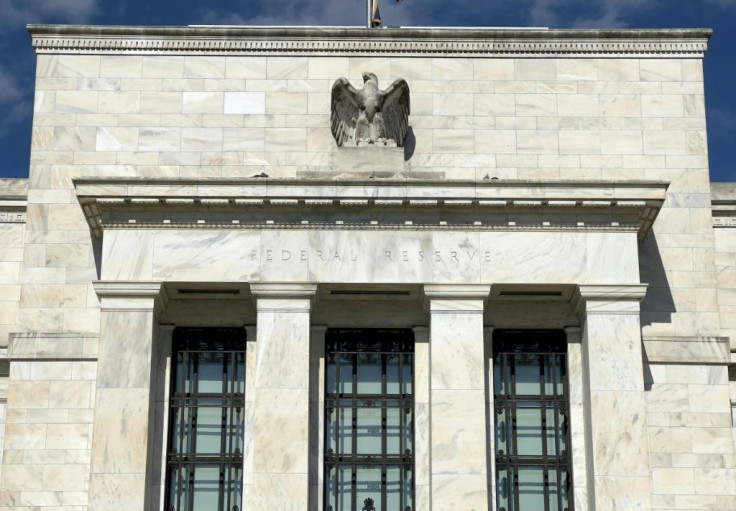
The Federal Reserve's leadership structure is closely watched because of its influence over interest rates, inflation control, and broader U.S. economic policy. Any delay or uncertainty in confirming top officials can affect market expectations, especially during periods of economic sensitivity.
The potential confirmation gridlock comes at a time when the Fed is already under scrutiny for its approach to interest rate policy and inflation management. Investors and economists are closely monitoring whether political disagreements in Washington could spill over into monetary policy decision-making, according to Reuters, which has reported extensively on growing concerns about political pressure on central bank independence.
The Senate's role in confirming Federal Reserve governors and senior officials is designed to ensure oversight and balance in appointments. However, heightened partisan divisions in recent years have increasingly complicated the approval process, particularly for nominees associated with major economic policy shifts.
Financial analysts say that delays in confirming key appointments could leave gaps in leadership at critical moments. The Federal Reserve Board operates with multiple governors, but vacancies or stalled nominations can slow decision-making or shift influence toward existing members.
Kevin Warsh has also been the subject of renewed attention due to broader speculation about potential leadership changes at the Fed in the coming years.
The broader context includes ongoing political disagreements over the direction of U.S. monetary policy. Some lawmakers have pushed for a more aggressive approach to inflation control, while others have emphasized the need to protect the Federal Reserve's independence from political influence.
The Federal Reserve chair position, currently one of the most powerful economic roles globally, is appointed by the president and confirmed by the Senate. Any disruption in the confirmation pipeline can create uncertainty for financial markets, particularly regarding interest rate expectations and long-term economic strategy.
The current standoff in the Senate reflects broader challenges in filling senior economic positions across federal agencies. Nominees for key financial roles have faced increasingly contentious confirmation processes, with debates often extending beyond technical qualifications into broader ideological disputes.