The Bangkok LGBTIQ+ Film Festival concluded last week with personal stories that celebrated queer power against all odds.
Following its debut last year, organiser Baturu's second edition of the Bangkok LGBTIQ+ Film Festival returned with the theme "Understanding & Respect" from June 26 to July 5. The 10-day festival brought together 14 films, as well as masterclasses, workshops and talk sessions.
"It is part of our plan to make an international platform in Bangkok," said Li Dan, founder and director of Baturu, the organiser of the film festival, in an interview.
"Cinema is a powerful tool to advance progress and solidarity. It is time to gather artists from Europe and Asia to collaborate and inspire."
Bangkok has been known as a sanctuary of freedom in Asia. However, this festival is committed to elevating the city's status on the global stage. By bringing together filmmakers, activists, and audiences from around the world, "we aim to cement this city's position as a powerhouse of film culture, queer art, and progressive dialogue", he said.
The opening night began hilariously with Lesbian Space Princess (2025). Directed by Australian filmmakers Leela Varghese and Emma Hough Hobbs, the animated sci-fi comedy follows Princess Saira who is thrown out of her cloistered life on an inter-gay-lactic mission to rescue her bounty-hunter ex-girlfriend Kiki from the incel Straight White Maliens.
"Originally, we were going to make something like Cowboy Bebop, but I told Emma to pick a character that feels authentic to us rather than taking something from male creators and making a queer version," said Leela.
Her recent short film I'm The Most Racist Person I Know (2025) explores prejudice in a date with a woman of colour.
Leela explained that "chasing after someone who is not the best dating choice" is relatable to her. While queer stories often revolve around struggle and pain, they choose to convey an inspiring universal message of self-love in an unapologetic, playful manner. For example, the Straight White Maliens are a parody of cis white men.
"These are themes we feel are important. We want to make something that is queer joy," she said.
When it comes to balancing the humour and the heavy, Leela pins it down to being open to everything and trusting an instinct for what works or doesn't.
"We really embrace everything on the table and then narrow down what we need for the film. It is really beautiful to let everybody have as much fun as possible. Maybe having like a bit of fun is also what helps make the tone," she said.
For some, a funny candy-coloured space adventure appears family-friendly. Leela said it was not done on purpose. The film is an adults-only animation that contains "gore and sex" (MA 15+), but it happens to connect to young audiences.
"It is the kind of film that we wish we could have watched when we were going through our teenage years. Just something positive, bright, silly and goofy that hopefully could inspire you to go out and live your life proudly or make something like that because this exists," she said.
The festival did justice to queer predecessors who long endured prejudice and discrimination.
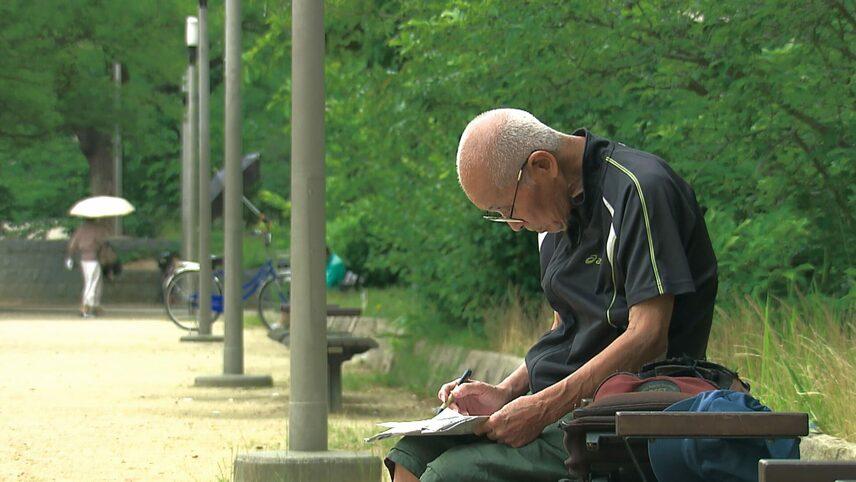
Japanese filmmaker and journalist Genki Kikkawa's 94-Year-Old Gay (2024) chronicles the personal life of Tadashi Hase, a gay poet born in 1929, who spends most of his time in the closet due to homosexuality being classified as a mental disorder. Unable to confess his feelings to anyone, he has lived alone and found peace in poetry.
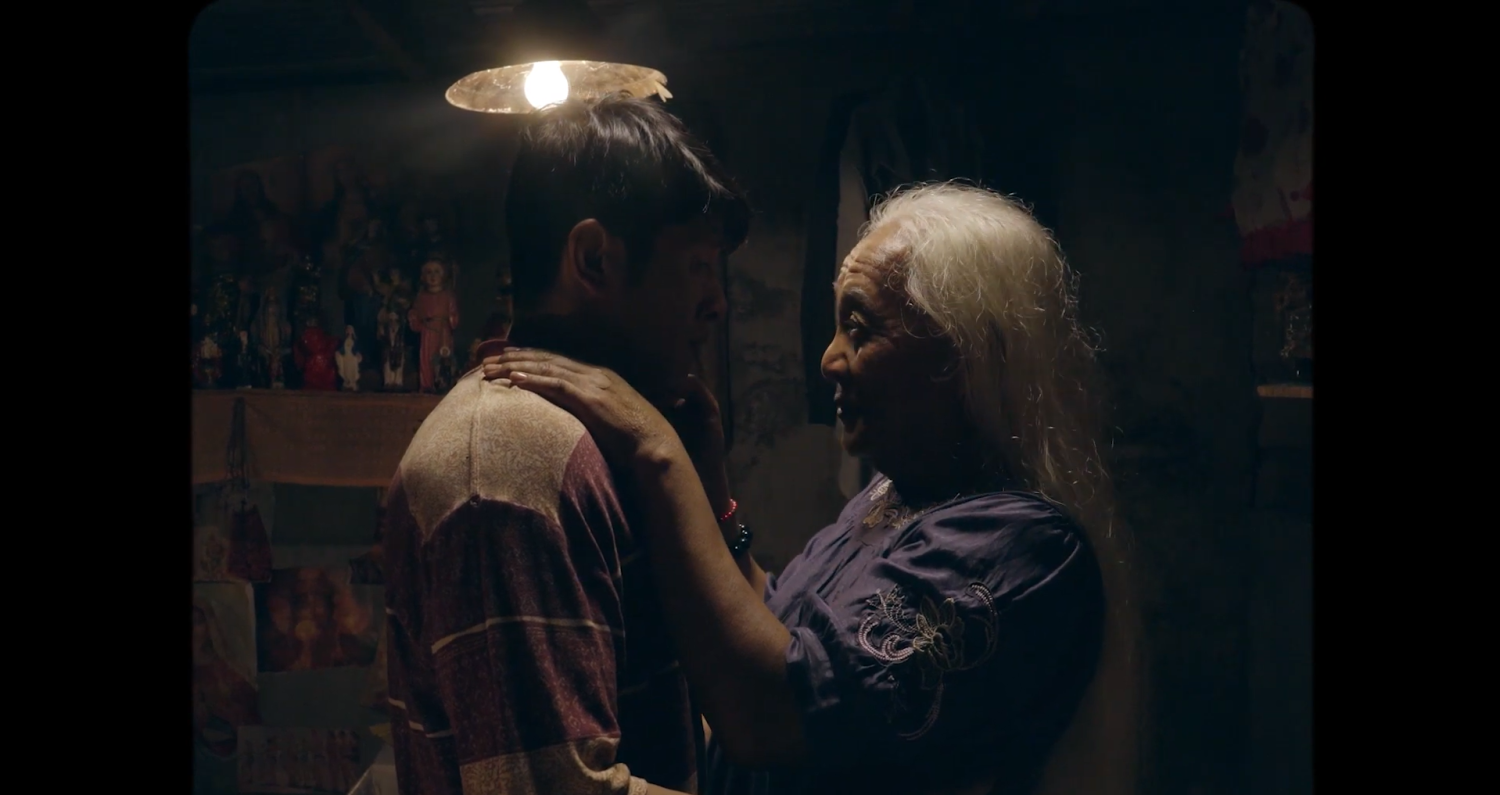
Filipino filmmaker Norvin de los Santos' Isang Daa't Isang Mariposa (101 Butterflies) (2019) follows Lola Persa, a 101-year-old transwoman, who uses the government's centenarian reward of 100,000 pesos (54,000 baht) to bail her ex-lover's son out of jail. Inspired by a true story, the director delivers such a poignant, powerful tale of queer love that transcends time and space.
Filipino filmmaker Kevin Z. Alambra's Warla (2025) explores a tough dilemma, choosing between gaining acceptance and committing crime. It follows 19-year-old Kitkat, who finds her new home with a gang of rejected transgenders who kidnap foreigners to fund their gender-affirming surgeries that promise them their authentic selves.
The festival went on to explore queer migration, homemaking and the quest for freedom.
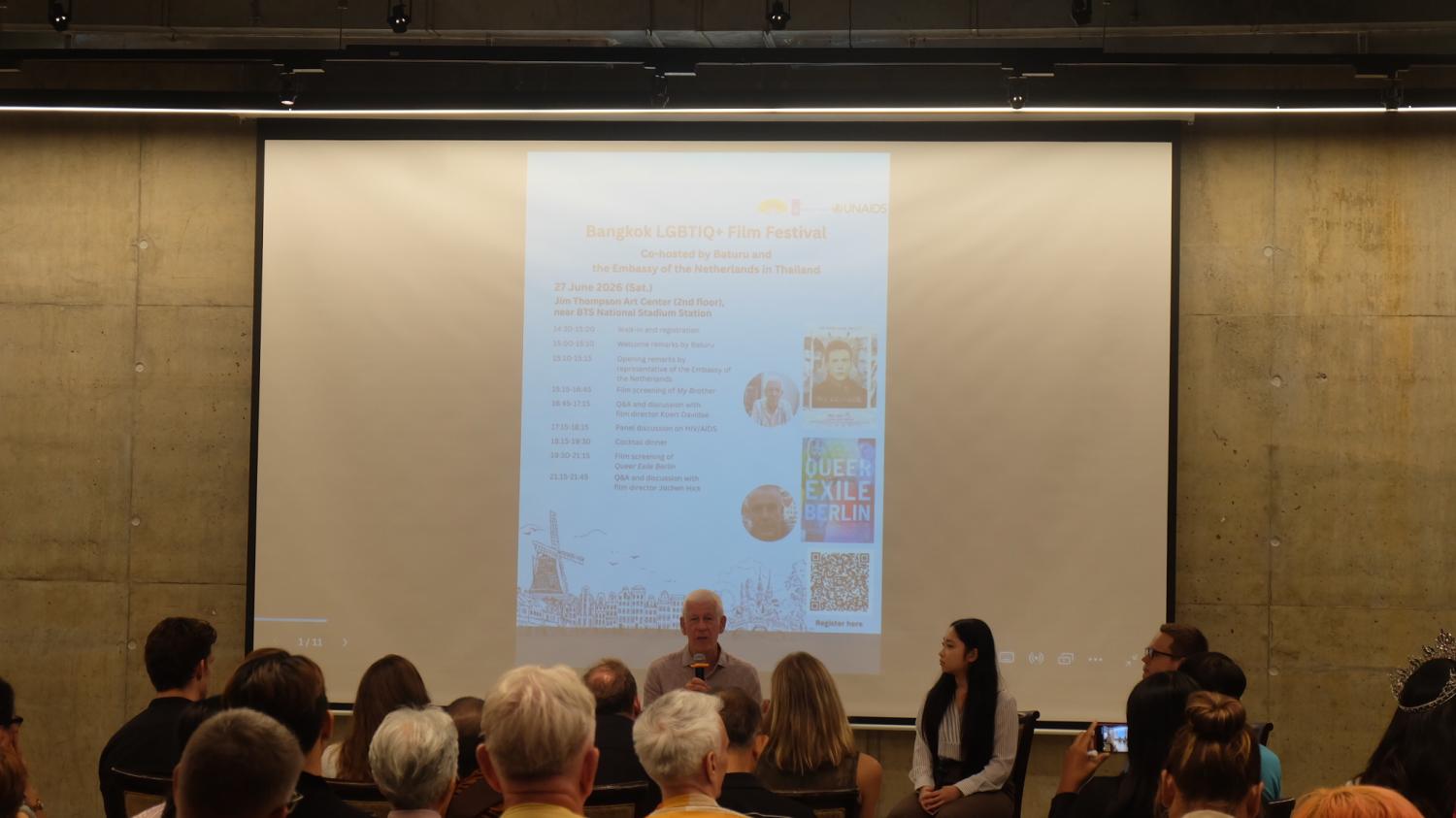
As the third part of the documentary trilogy, German filmmaker Jochen Hick's Queer Exile Berlin (2023) explores six queer migrants in the capital of Germany. Luchina Fisher's The Dads (2026) follows a group of fathers of trans and gender-expansive kids who face a tough choice -- fight or flee -- amid growing hostility in the US.
Meanwhile, Dutch filmmaker Koert Davidse's My Brother (2025) unearths the forgotten life of Bart, the director's gay brother who moved to Amsterdam and died of Aids at 28 in 1986.
"Making this film is a relief," he said.
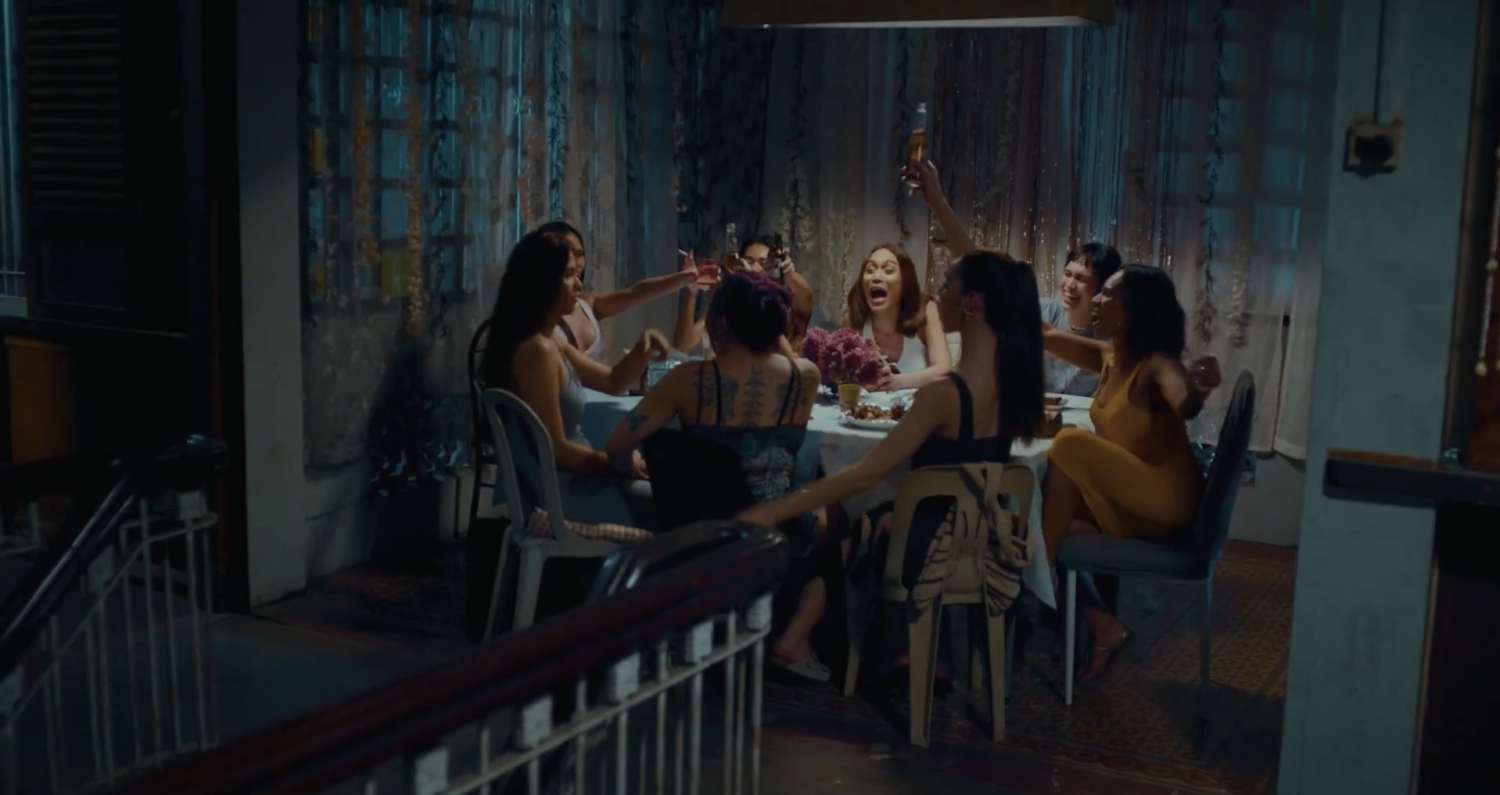
The two brothers drifted apart following Bart's relocation. Koert explained that he had an idea of making the film about his brother, but wrote the first draft a decade ago. He thought nobody would be interested in his personal story until he realised that it addresses larger themes of homosexuality and the impact of the HIV/Aids crisis in the 1980s.
Only 40 years later, Koert got the opportunity to revisit his brother's diaries and artwork and interview his traditional family members and free-spirited friends to know more about him. By retracing their bond, the director said "it was our problem that he was not accepted as a gay brother".
He wished he would have had the courage to open up more to him to rebuild their relationship.
"I am trying to give the answer in the film. The problem is that in a family, we don't talk. It is the biggest issue of all. We didn't talk about his homosexuality. We didn't talk about when he was sick. We didn't see anything at a funeral," he said.