News in brief
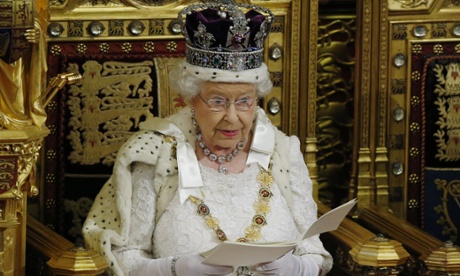
- Underperforming schools in England face faster interventions and are more likely to become academies, according to plans announced in the Queen’s speech. An education bill will target “coasting” schools that have shown a “prolonged period of mediocre performance”.
- The chief inspector of Ofsted, Sir Michael Wilshaw, said headteachers at underperforming schools in England should be replaced. However, he warned that it could be hard to find enough outstanding leaders.
- Coventry University has nudged past many of its Russell Group peers to reach number 15 in the Guardian university guide. There was little change at the top: Cambridge held on to its place at number one for a fifth year running. Oxford and St Andrews remained in second and third place respectively.
- A new report by the OECD found that low-skilled young people in Britain face the higher barriers to employment, compared with their peers in other industralised countries. UK youth lag behind the rest of their age group in terms of employable skills – such as literacy and problem solving.
Research of the week
A study has found that dyslexia is not linked to eyesight problems, raising doubts about the use of coloured overlays or lenses to help with reading.
The report, led by teams from Bristol and Newcastle universities, was based on a study in the Bristol area that has followed the health of more than 14,000 children since the 1990s. Using a sample of 5,822 children from this tracking study, they carried out detailed eye examinations on dyslexic and non-dyslexic children.
They concluded that the likelihood of children with dyslexia having eye problems was the same as children without dyslexia.
“Some practitioners feel that vision impairments may be associated with dyslexia and should be treated. However, our study results show that the majority of dyslexic children have entirely normal vision on the tests we used,” said Cathy Williams, lead author and a paediatric ophthalmologist.
Read more about the research here.
Snapshot of the week
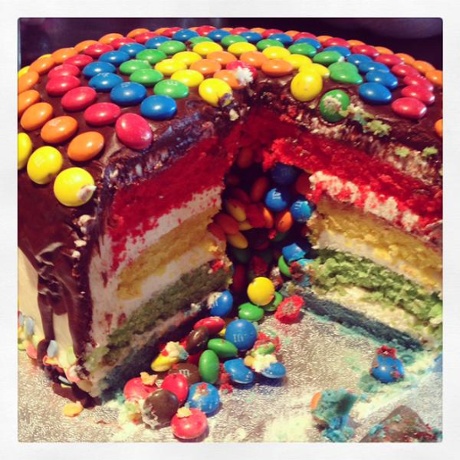
Over half term we asked teachers to share their delicious bakes with us. We could barely contain our excitement when we saw this epic M&Ms cake courtesy of @larisaclarke.
The week in numbers
The Queen’s speech included new legislation that would see free childcare for three-and four-year-olds in England double to 30 hours a week. The Conservatives hope their changes will help 600,000 children a year from 2017.
The Scottish Labour party have called for additional tax powers to fund education, urging the Scottish National Party to commit to increasing the top rate of tax to 50p.
Dates to remember
The anniversary of the D-Day landings will take place on Saturday 6 June, commemorating 71 years since Operation Overlord was launched to liberate north-west Europe from German occupation. Support and protect all things marine related this World Oceans Day on Monday 8 June. “Healthy oceans, healthy planet” is this year’s theme with a particular focus on stopping plastic pollution.
Teaching resources
- 20 things you need to know about D-Day.
- Engage your class with these fun and thought-provoking activities about plastic pollution and how it affects marine habitats.
- Learn about the human eye with this animated interactive (with sound).
- Find the missing letter to complete the word with this interactive spelling game.
Latest blogs and comments
- Should all teachers be qualified?
- Teachers: stop complimenting your students
- How do teachers remember children’s names?