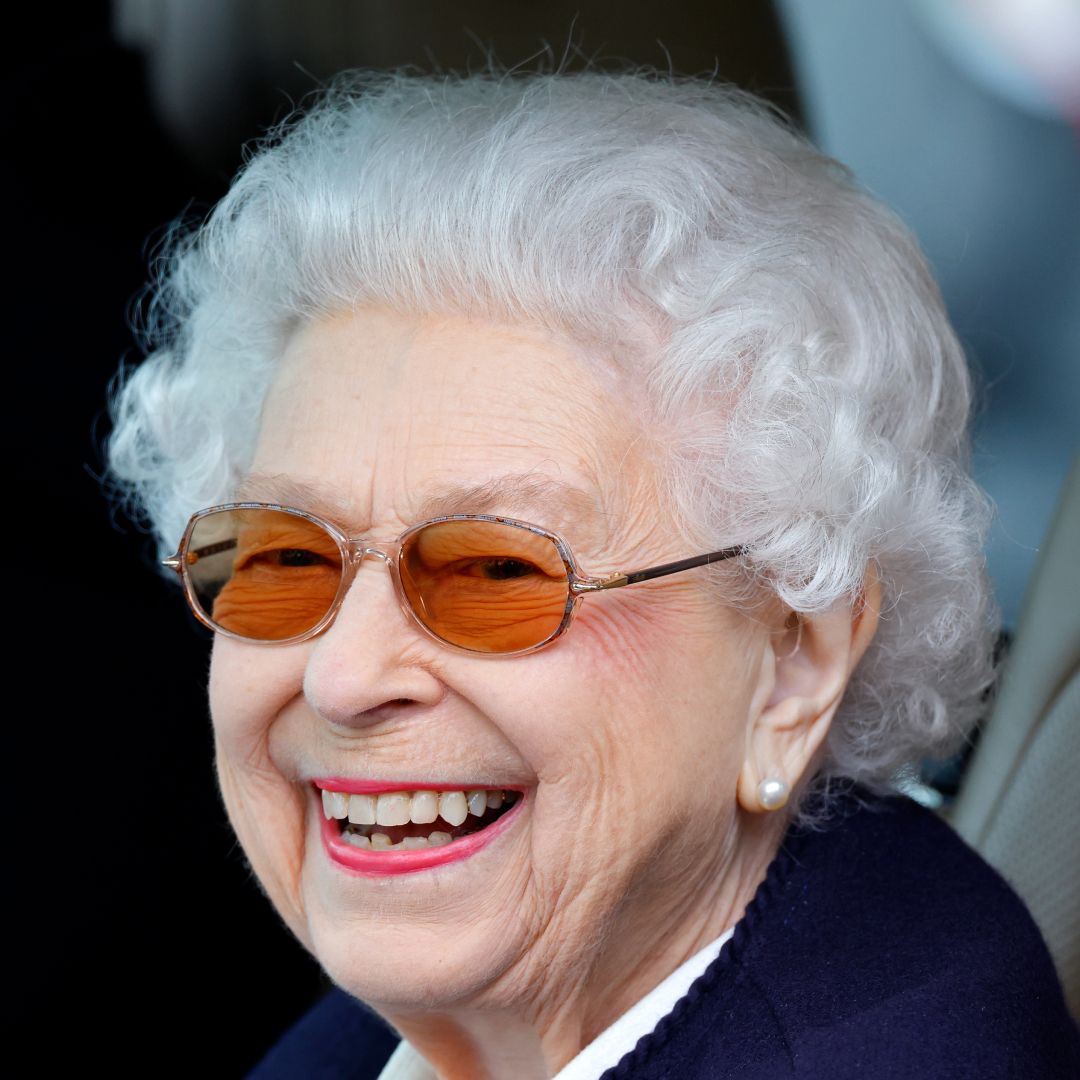
Princess Diana’s battles with the “men in gray suits” have been thoroughly chronicled throughout the years, and even King Charles had his own struggles with courtiers. But when it comes to palace officials, Queen Elizabeth found herself in a much different situation. Despite being the most famous woman in the world, even the late Queen was told what to do, but as royal author Robert Hardman wrote in his new biography of Queen Elizabeth, she wasn’t “obsessed” with old-fashioned traditions like some of the palace’s longtime employees.
In Elizabeth II: In Private. In Public. Her Story, one former private secretary for the late Queen told Hardman that the royal “would ‘metaphorically roll her eyes’ at some of the pedantic elements within the Lord Chamberlain’s Office, the palace department in charge of ceremonial.”
The former palace employee added that the ever-practical late Queen was all for modernizing when it made sense.
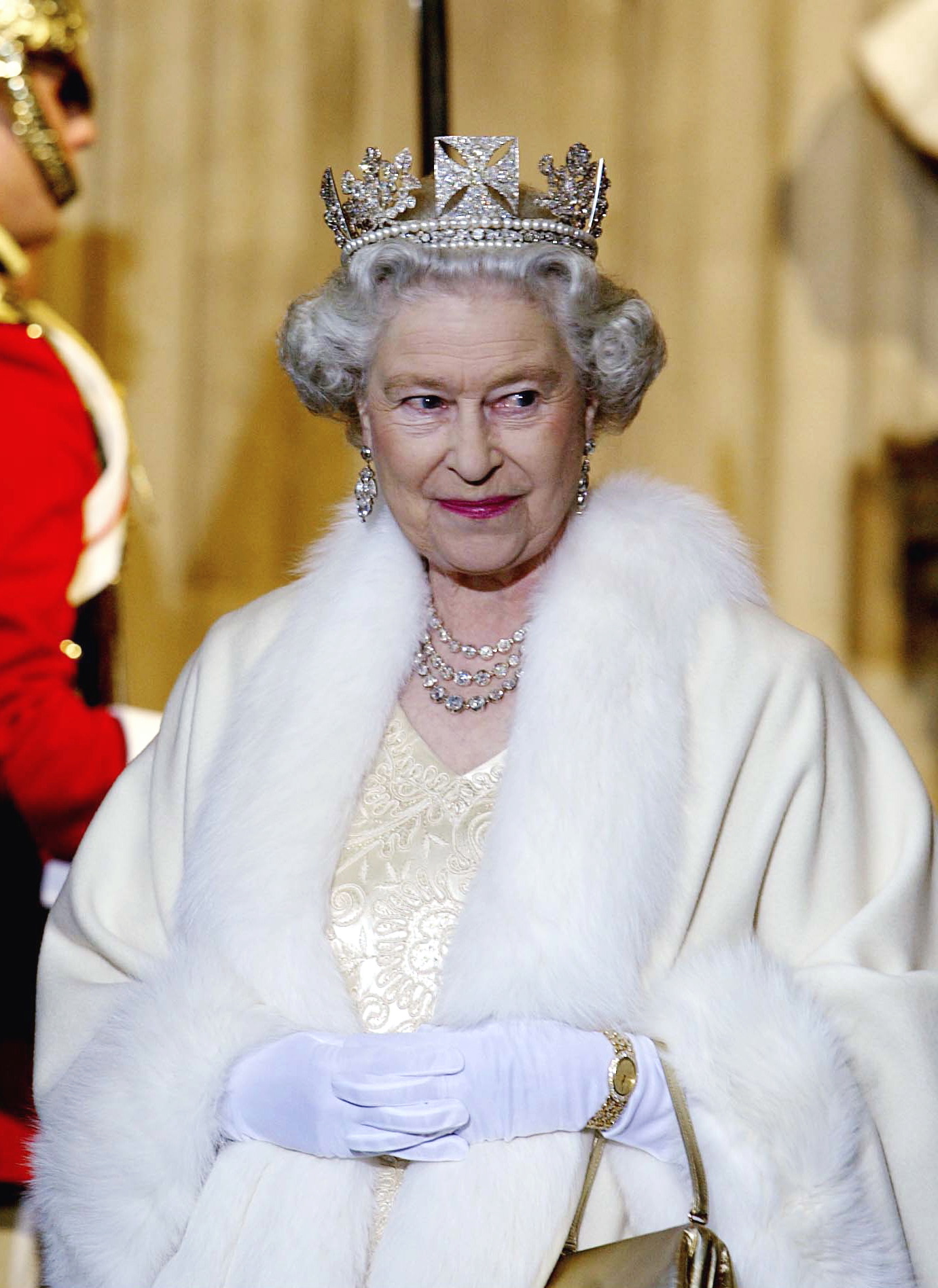
“I discovered that, given the choice between practicalities and protocols, the choice between an argument for doing something, because that’s how we’ve always done it, or an argument for doing something different, because it would actually work better, then that was always the best way of arguing it,” the source said.
“She was happy to picture the balloons of the sort of people who were obsessed about things like collar days or being immaculately dressed at a dress rehearsal,” the former private secretary added.
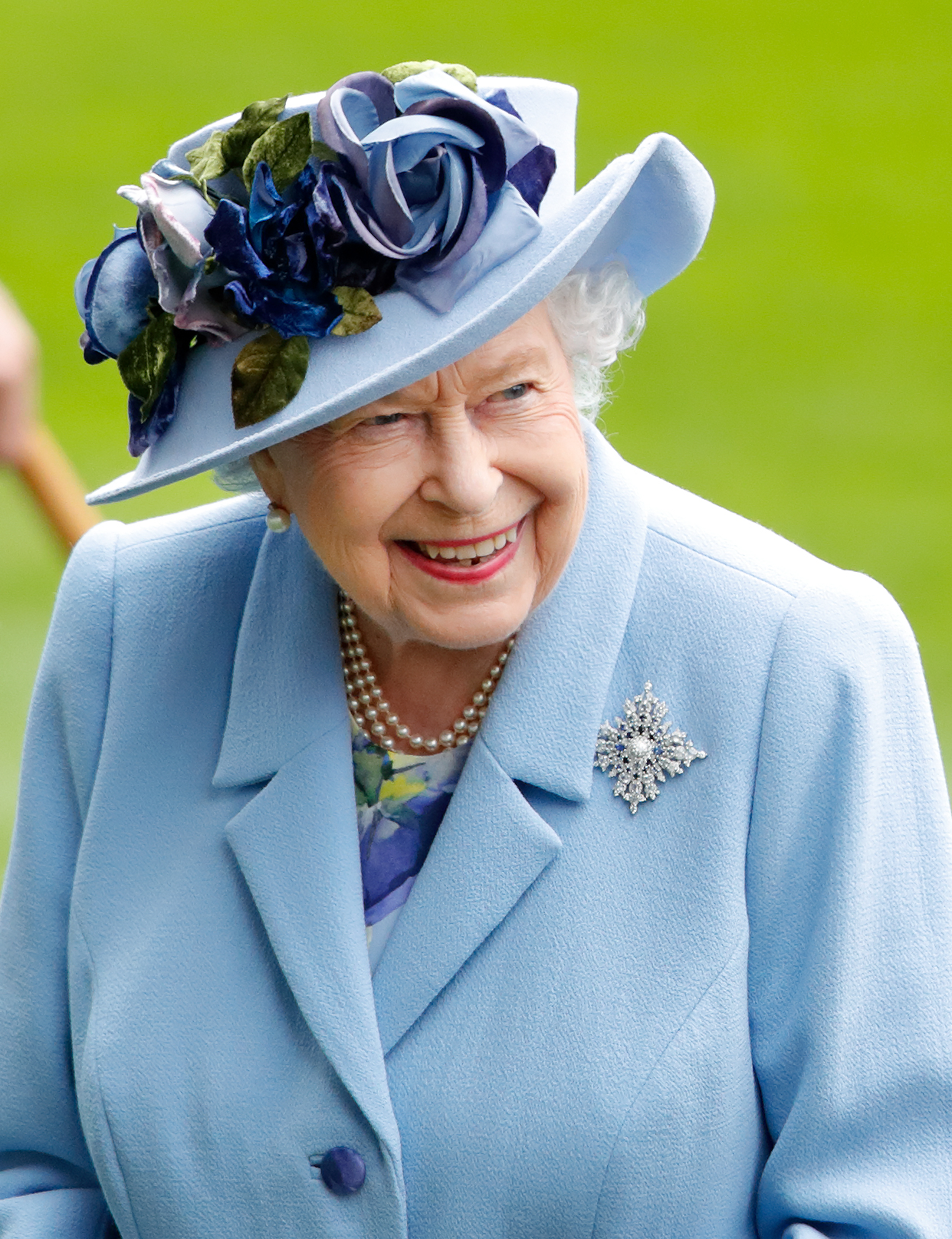
At times, the late Queen would step in and “overrule her own officials,” Hardman wrote. One such incident took place at a “multinational banquet” where the late Queen had to step in and change a seating plan in order to “stop the presidents of the USA and France being placed at the wrong end of the table because they were, in theory, outranked by Euro-royalty.”
And when Nelson Mandela paid a state visit to the U.K. in 1996, it was Queen Elizabeth who insisted that the traditional schedule for state banquets be altered to accommodate the South African president.
Hardman wrote that the late Queen heard Mandela “liked to be in bed by 10 p.m.—a legacy of his long years in person.” Since formal state dinners adhere “to a strict and well-established format” that would run long past Mandela’s bedtime, Queen Elizabeth stepped in and “asked her staff to ignore it and ensure that proceedings were all over by ten o’clock.”