A quarter of the world’s seafood caught in the ocean is collected through bottom-trawling, a method that harms seafloor ecosystems.
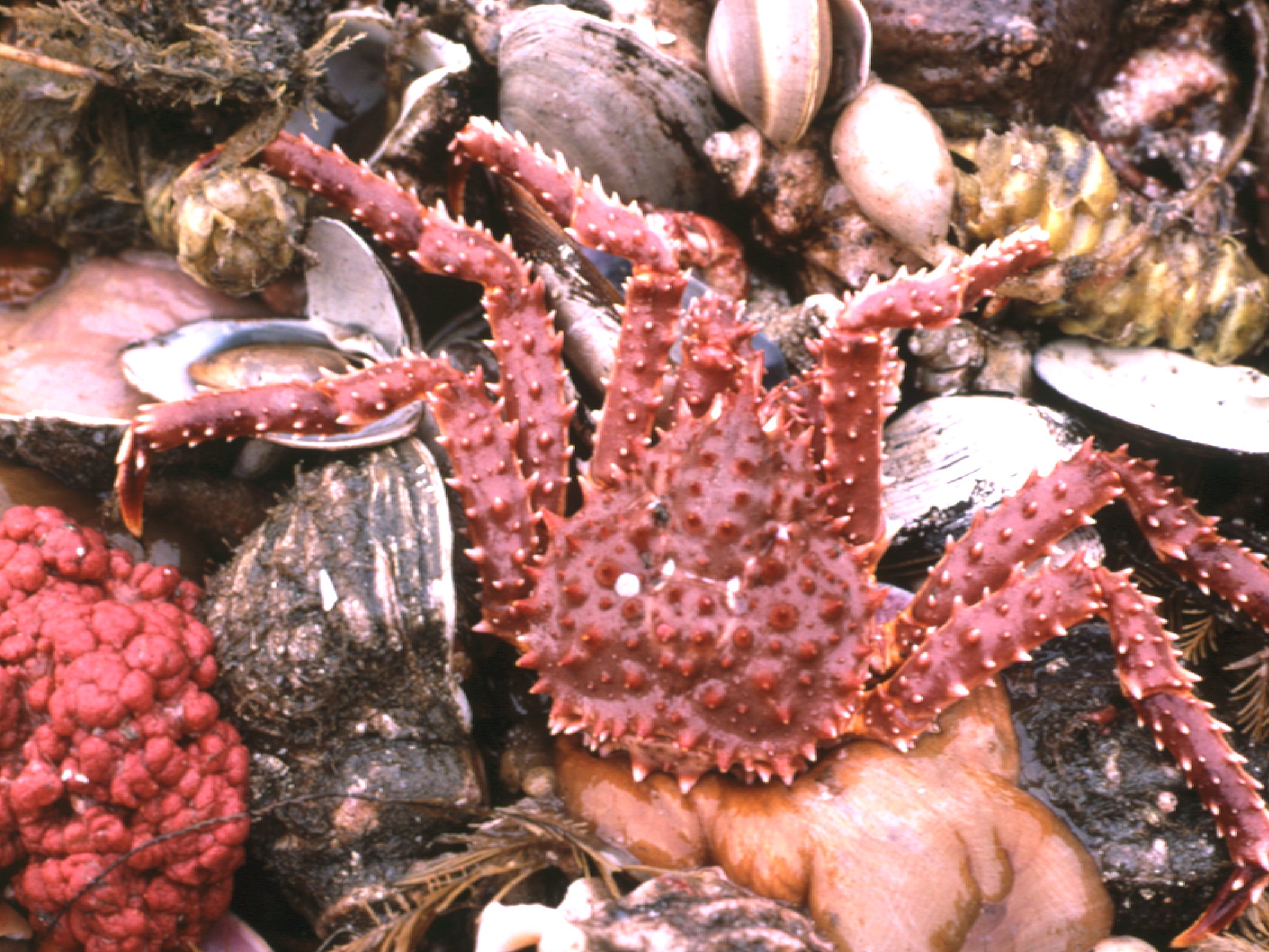
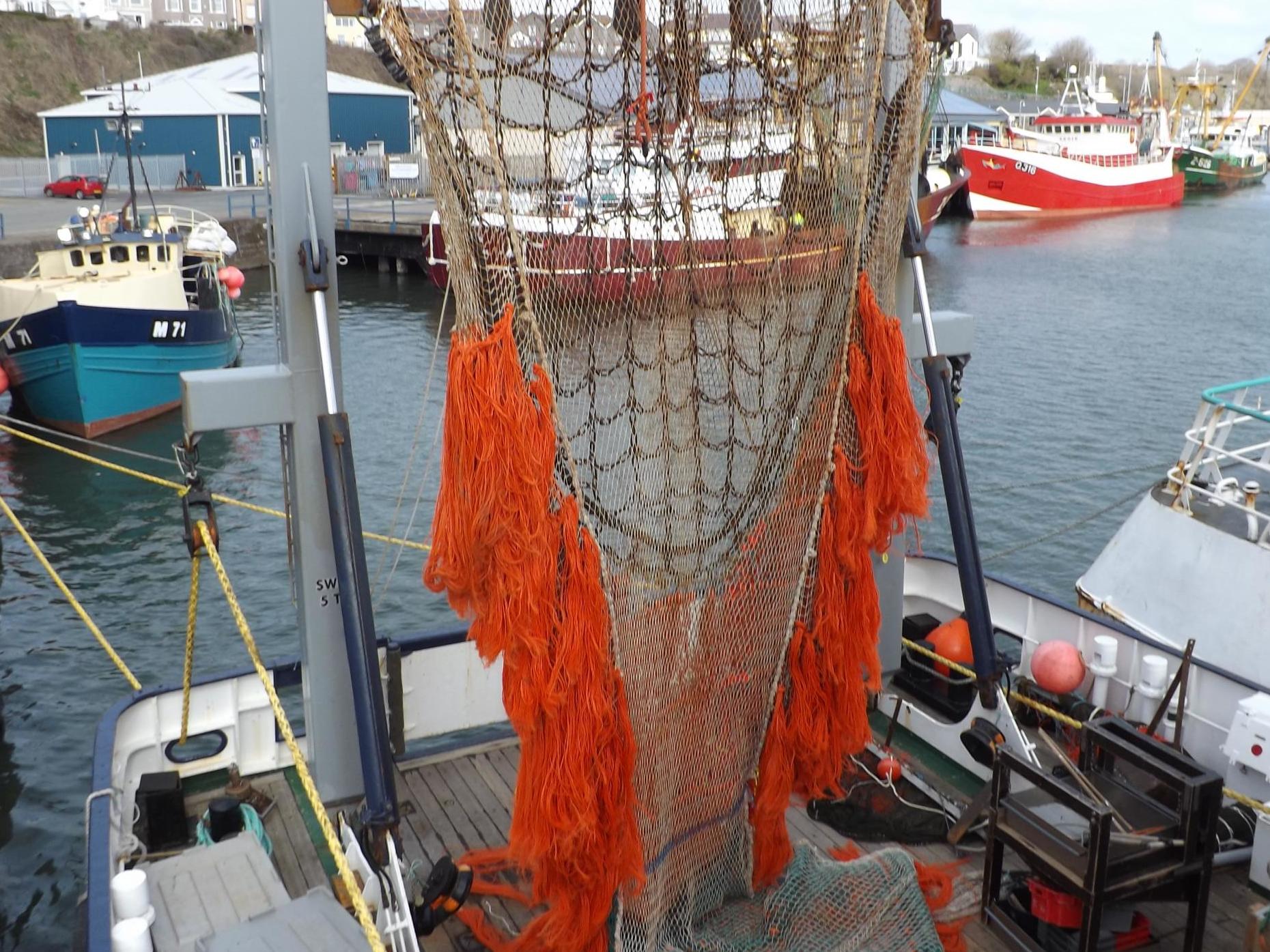
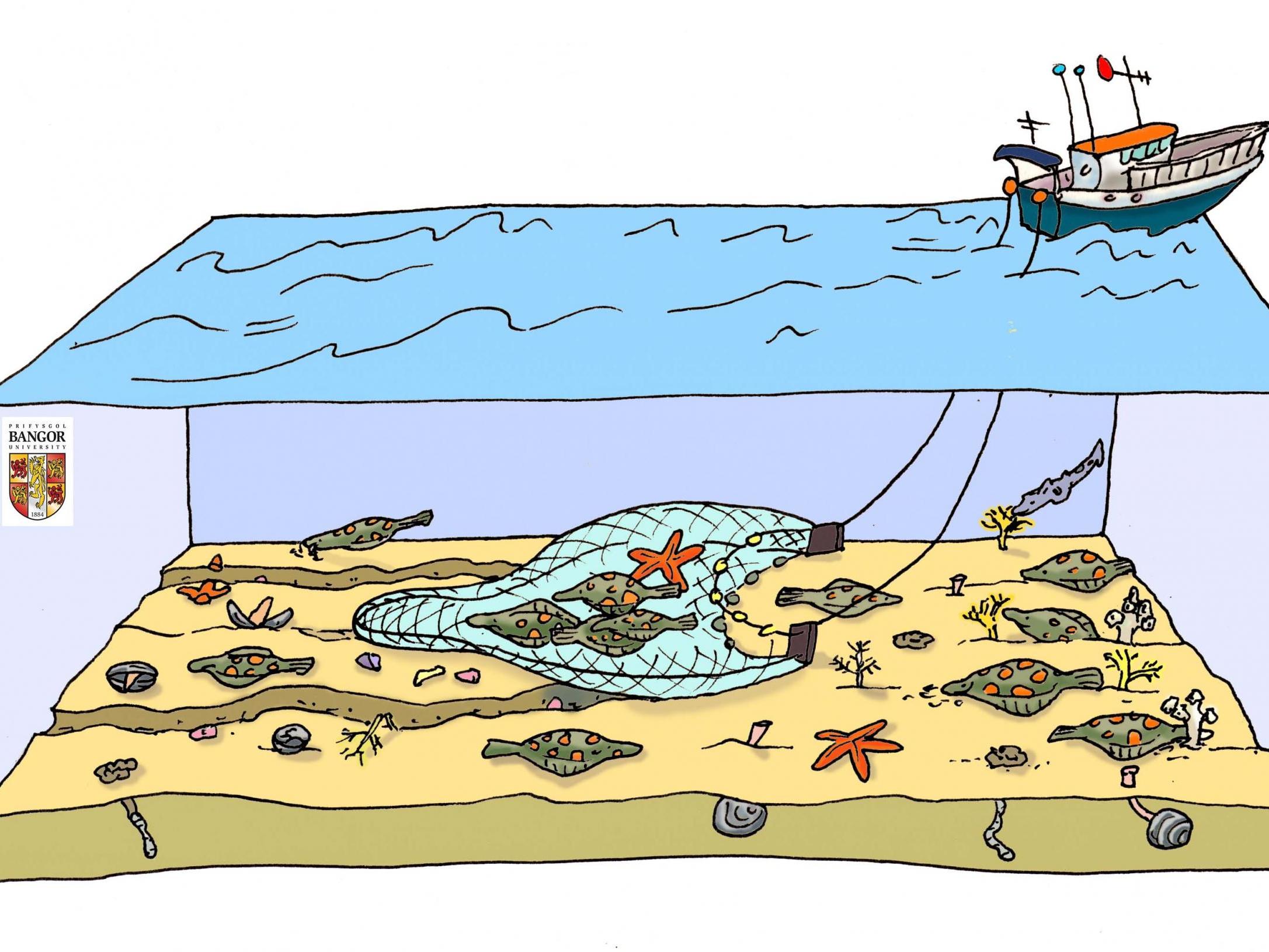
The technique involves dragging a net along the ocean’s shelves and slopes to gather shrimp, cod, rockfish, sole and a variety of bottom-dwelling fish and shellfish.
Other forms of marine life and habitats can be killed or disturbed unintentionally as the nets travel across the seafloor.
Researchers agree that the technique is harmful but it has previously been unclear how widely bottom-trawling is used.
New analysis, which brings together the contributions of 57 scientists across 22 countries, suggests that 14 per cent of the seafloor, shallower than 1,000m, is trawled.
Most trawl-fishing happens at this depth and the study focused on this range of seafloor, which covers about 7.8 million sq km of ocean.
The researchers had expertise in mapping fishing activity from satellite monitoring and fishing logbook information.
For their report they used high-resolution data for 24 ocean regions in Africa, Europe, North and South America and Australasia.
Fourteen per cent is substantially smaller than previous estimates of what is known as a trawling “footprint” but researchers found that bottom trawling’s popularity varies widely by region.
The authors of the report found that more than 80 per cent of the seafloor in the Adriatic Sea, a part of the Mediterranean Sea found to have the most intense footprint, is trawled, whereas the method is used across only 0.4 per cent of the seafloor off southern Chile.
Researchers also concluded that more than 50 per cent of the seafloor in some European waters is trawled but the technique is used far more sparingly in seas around Australian and New Zealand, where trawling footprints cover less than 10 per cent of the seafloor.
The same applied to the East Bering Sea, the Gulf of Alaska and waters around the north Pacific’s Aleutian Islands.
“Trawling has been a very controversial activity, and its footprint has not been quantified for so many regions at a sufficiently high resolution,” said lead author Ricardo Amoroso, from the University of Washington.
“When you don’t quantify the impacts of trawling at a fine scale, you end up with an overestimation of the trawling footprint.”
Less of the seafloor is trawled in regions where rates for commercially fished stocks, caught through bottom trawling, meet accepted sustainability benchmarks.
“For those regions where bottom-trawling footprints were less than 10 per cent of the seafloor area, fishing rates on bottom-dwelling fish stocks almost always met international sustainability benchmarks,” Simon Jennings, a co-author of the report, said.
“But when footprints exceed 20 per cent, they rarely met them.”
Researchers used information about the fishing gear used in commercial operations to help them accurately estimate trawling footprints.
Knowing the span of a trawling net helped to improve the estimate of the area of seafloor impacted.
Some regions where bottom trawling is extensively used, including southeast Asia, are not included in the study as detailed data was not available.
Despite this scientists say that their study is the most detailed look yet at trawling activity around the world.
The research is published in Proceedings of the National Academy of Sciences.