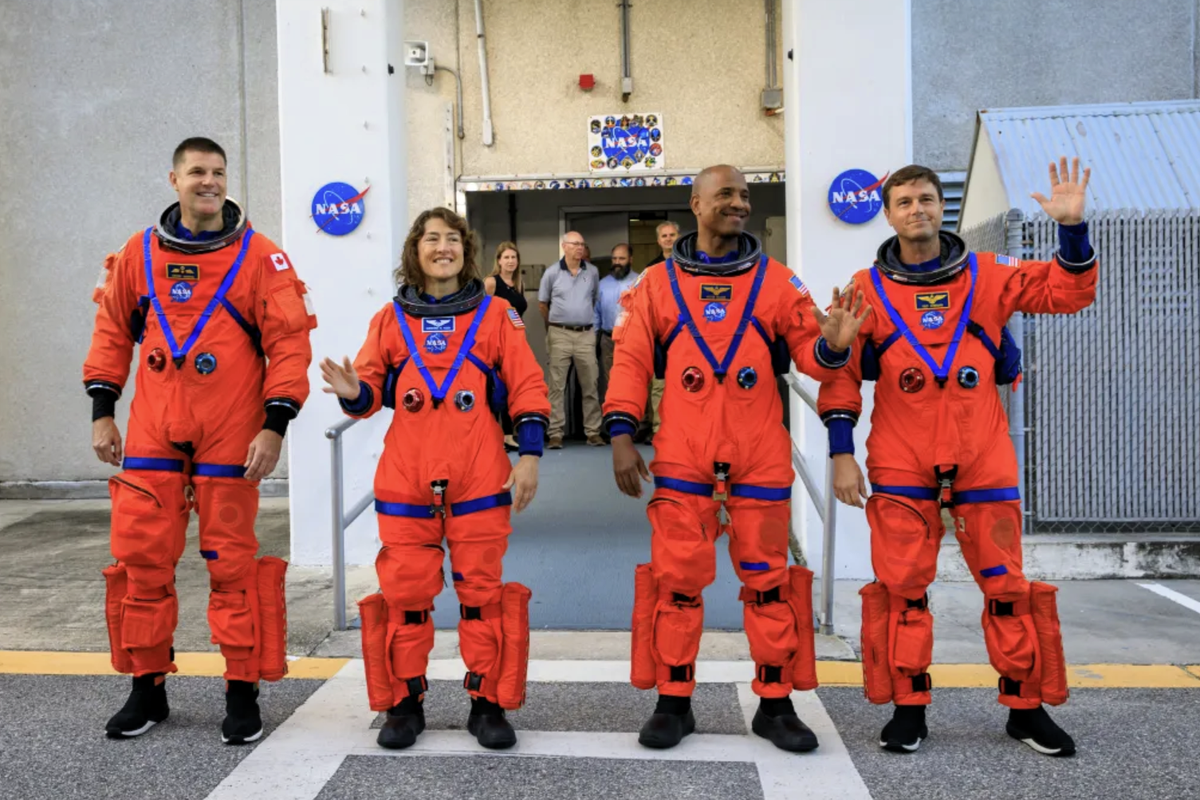
The four astronauts set to launch on Nasa’s Artemis II mission next week will travel to Florida on Friday ahead of the first crewed trip to the Moon in more than five decades.
The historic launch faced delays earlier this year due to fuel leaks and other issues with the 98-metre (322-foot) Space Launch System (SLS) rocket, with a new launch date set for 1 April from Cape Canaveral.
The Artemis II crew – Canadian Space Agency (CSA) astronaut Jeremy Hansen, and Nasa astronauts Christina Koch, Victor Glover, and Reid Wiseman – have been in quarantine in Texas since 18 March in order to avoid exposure to viruses in the build up to the launch.
The 10-day mission will see the four astronauts travel around the Moon and back before returning to Earth.
It marks the first time since the Apollo 17 mission in 1972 that astronauts have traveled to the Moon, with Nasa hoping it will be a precursor to future missions to the lunar surface.
Nasa Administrator Jared Isaacman announced an overhaul to the Artemis programme last month, adding an extra practice flight in orbit around Earth in 2027 in order to lessen the gaps between missions.
The first lunar landing is expected to take place at some time in 2028 as part of Artemis IV, which will see two astronauts descend to the Moon’s surface.
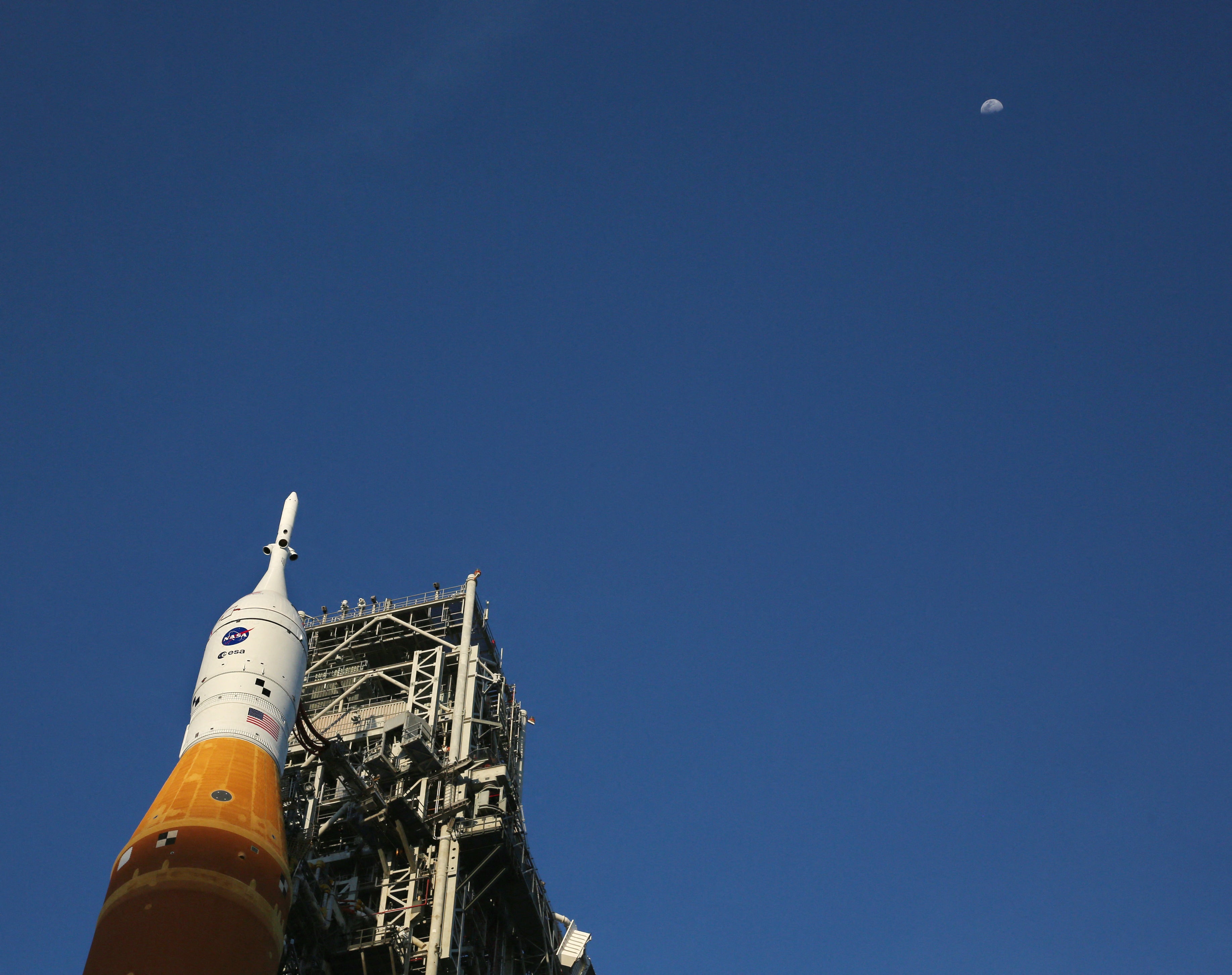
Ground teams at Nasa’s Kennedy Space Center in Florida are currently preparing the SLS rocket and Orion spacecraft that will be used for the Artemis II mission.
“In the days leading up to launch, technicians will conduct pad-specific engineering tests for ordnance connectivity on the flight termination system, radio frequency testing for the core stage and Orion spacecraft and complete final closeouts of the rocket and spacecraft before getting into launch countdown,” Nasa said in a mission update on Thursday.
Live coverage of Wednesday’s launch will be broadcast on Nasa’s website and official YouTube channel, starting from 7:45am local time (12:45pm BST).
The launch is targeted for no earlier than 6:24pm EDT (11:24pm BST) on 1 April.
Nasa only has a narrow window to launch the rocket. If it is delayed then the US space agency will need to stand down until 30 April when the Moon is once again in a favourable position in its orbit relative to Earth.