QUARANTINE for fully vaccinated arrivals will be abolished next month, the NSW government has announced.
November 1 will mark the end of both hotel and home quarantine measures, with a PCR test for passengers to become mandatory before departure.
Hotel quarantine requirements will remain for unvaccinated travellers.
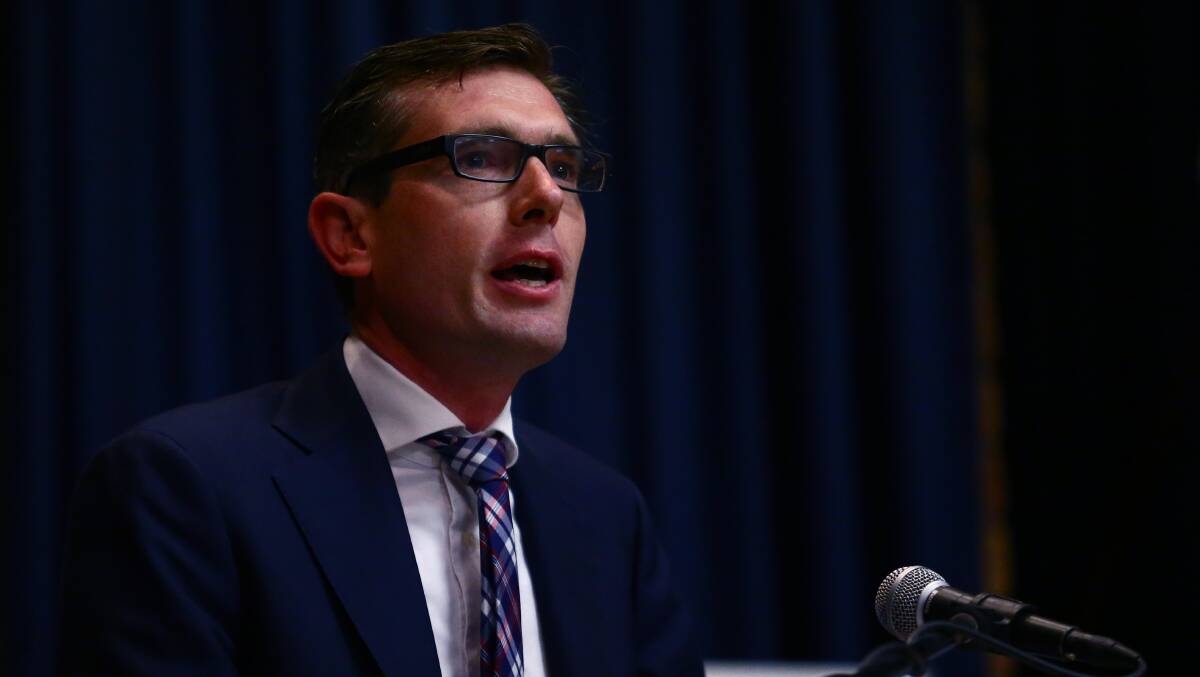
"No-one who is fully vaccinated will be able to come into Australia unless they can provide proof of that to federal authorities," Premier Dominic Perrottet said.
"There is absolutely no reason if you are a returning Australian or a tourist that you should have to quarantine."
Mr Perrottet also announced the 20-person cap on hospitality reservations would be scrapped in November.
Mr Perrottet said returning Australians would "naturally be the first cab off the rank", including from other states, but that he was keen for international tourism to resume.
"From a NSW perspective, we're not going to discriminate," he said.
He noted that travellers would likely be "going to Bali before Broome", and that conversations with the federal government around bringing back cruising were ongoing.
"I know the prime minister is incredibly passionate about doing that as well," Mr Perrottet said.
Deputy premier Paul Toole said a trial of home quarantine had worked but the resources required were "non-commensurate" with the public health benefit.
There is absolutely no reason why we should take health staff or police staff away from their frontline duties to monitor people in quarantine who have exactly the same vaccine status as 90 per cent of the people in NSW," he said.
Speaking on Friday morning Mr Perrottet defended the Sydney travel ban despite the largest contribution to Thursday's fresh cases coming from the Hunter New England health district.
Hunter residents can travel anywhere in NSW except greater Sydney, which includes the Central Coast, Blue Mountains and Illawarra despite recording more than a quarter of Thursday's 408 cases.
"It's not a precise science," he said.
"What we have done is make a decision based on where the vaccination rates are."
"It's not that people in regional NSW have been slow, but that Sydney has been so fast."