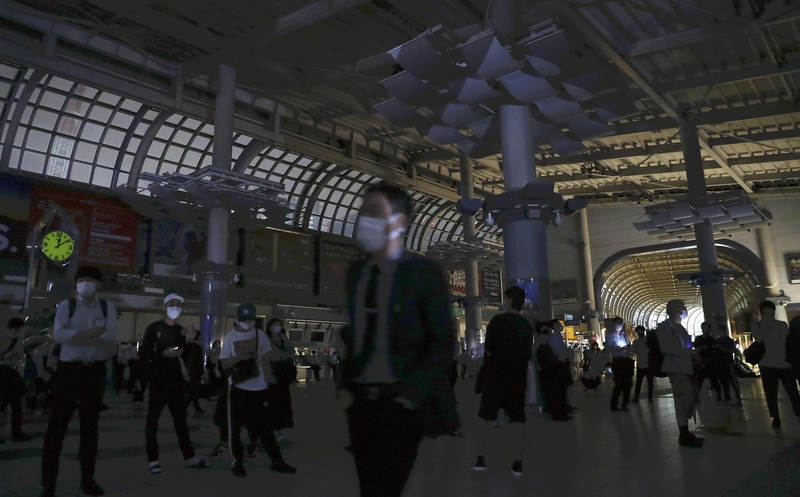
Commuters trying to get home filled up crowded train stations as railway operators suspended services when a strong earthquake hit the Tokyo metropolitan area late on Thursday night.
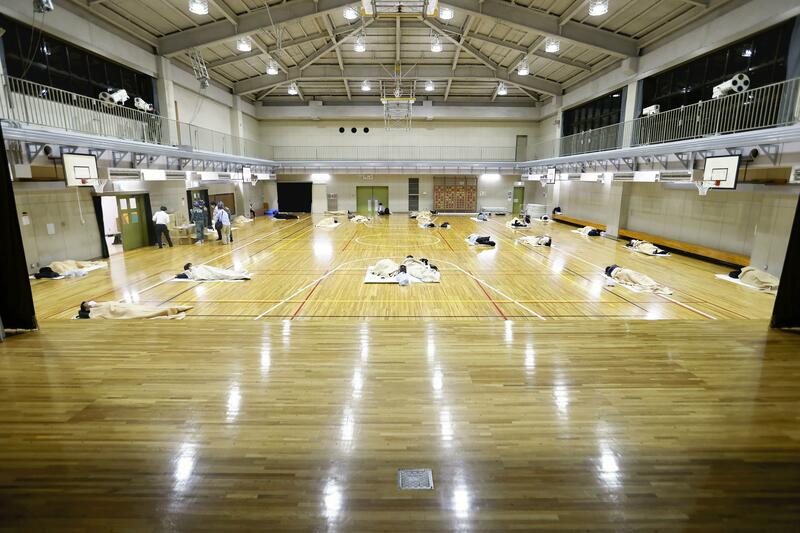
Some of the commuters spent the night at temporary shelters that were opened based on lessons learned from the 2011 Great East Japan Earthquake.
Train service delays continued Friday, too. Commuters and students made long lines in front of stations that restricted the number of people admitted inside.
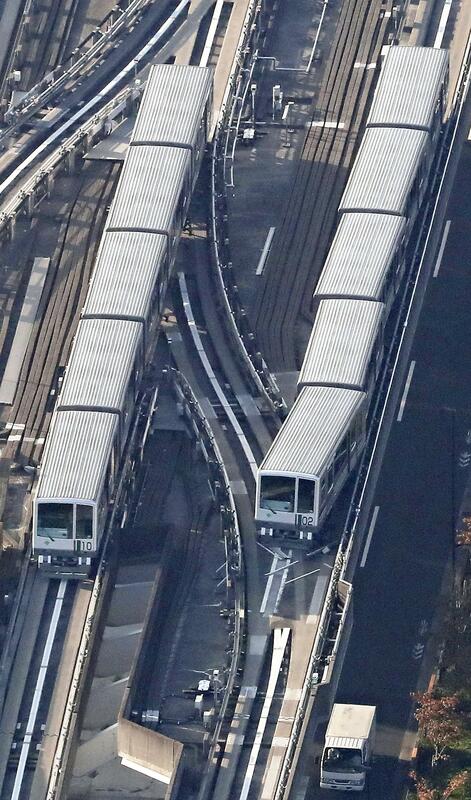
The quake, which occurred around 10:41 p.m., measured up to upper 5 on the Japanese seismic intensity scale of 7 in the Tokyo metropolitan area.
In Adachi Ward, Tokyo, a six-car Nippori-Toneri Liner train derailed and three female passengers sustained minor injuries when train operator Tokyo metropolitan bureau of transportation brought all services to an emergency stop due to the quake.
The Tokyo metropolitan police said about 100 passengers got off the train, which had stopped on its elevated track, and walked to Toneri Koen Station, the closest station from the accident site, guided by station staff and police officers.
The Nippori-Toneri Liner is an automated guideway transit system that runs on rubber tires.
According to the bureau, it may take several days before Nippori-Toneri Liner services can be resumed because the quake damaged not only the derailed train but also ground equipment. As replacement, the bureau increased its bus services and temporarily brought in sight-seeing buses.
JR Shinagawa Station lost power until shortly after midnight Friday. Since train services were suspended as well, some people who could not go home were seen sitting on the floor inside the station building. More than 100 people waited in line at the taxi stand outside the station.
"I was on the Yamanote Line train when I heard a big pounding noise and the train stopped," said a 33-year-old male company employee from Sumida Ward, Tokyo.
There were many reports of power failures and burst water pipes. Around an intersection in Adachi Ward, the street flooded, and a police officer directed traffic. According to the Tokyo Fire Department, a large number of calls to the 119 emergency phone number rapidly came in following the quake, and there were 81 cases of fire engines and ambulances dispatched to deal with fires and various other forms of trouble, such as people trapped inside elevators and water pipe ruptures.
Since many train services were suspended and commuters who could not complete their journeys back home remained inside station buildings, local governments opened temporary shelters. Adachi Ward used an elementary school near JR Kitasenju Station as a shelter, where 47 people were provided with mattresses, blankets and water.
"I was dead tired, so I'm really grateful that [the ward] opened this shelter where we can rest," said a 29-year-old company employee from Toride, Ibaraki Prefecture.
Minato Ward, Tokyo, set up a shelter in a welfare facility about 15 minutes' walk from JR Shinagawa Station. Seven people stayed at the shelter overnight. The ward and the facility could respond to the situation quickly because they had made an agreement to use the building as a shelter in emergencies, taking a lesson from the 2011 earthquake.
Read more from The Japan News at https://japannews.yomiuri.co.jp/