
As the owner of Valentino, Balmain and Harrods, the Gulf state of Qatar has lofty ambitions in the world of luxury fashion. Sheikha Moza bint Nasser, the mother of Sheikh Tamim bin Hamad al-Thani, the ruler of Qatar, is one of the most stylish royals in the world. And in the National Museum of Qatar, the country’s capital, Doha, has what British newspaper The Times called “the most extraordinary building of the decade”.
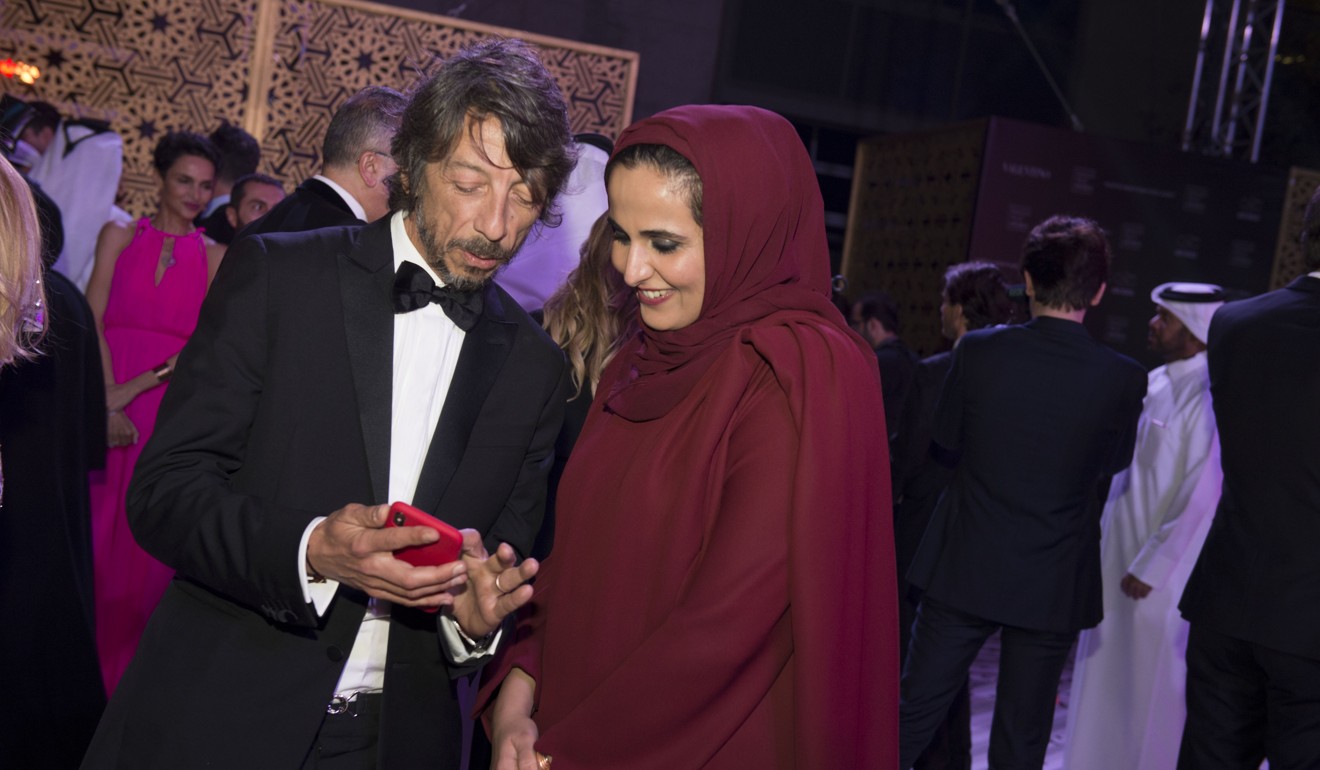
Built at a cost of US$434 million, the museum opened last month in the presence of, among others, artist Ai Weiwei, actor Johnny Depp, former French president Nicolas Sarkozy, Japanese artist Takashi Murakami and Italian fashion doyenne Miuccia Prada.
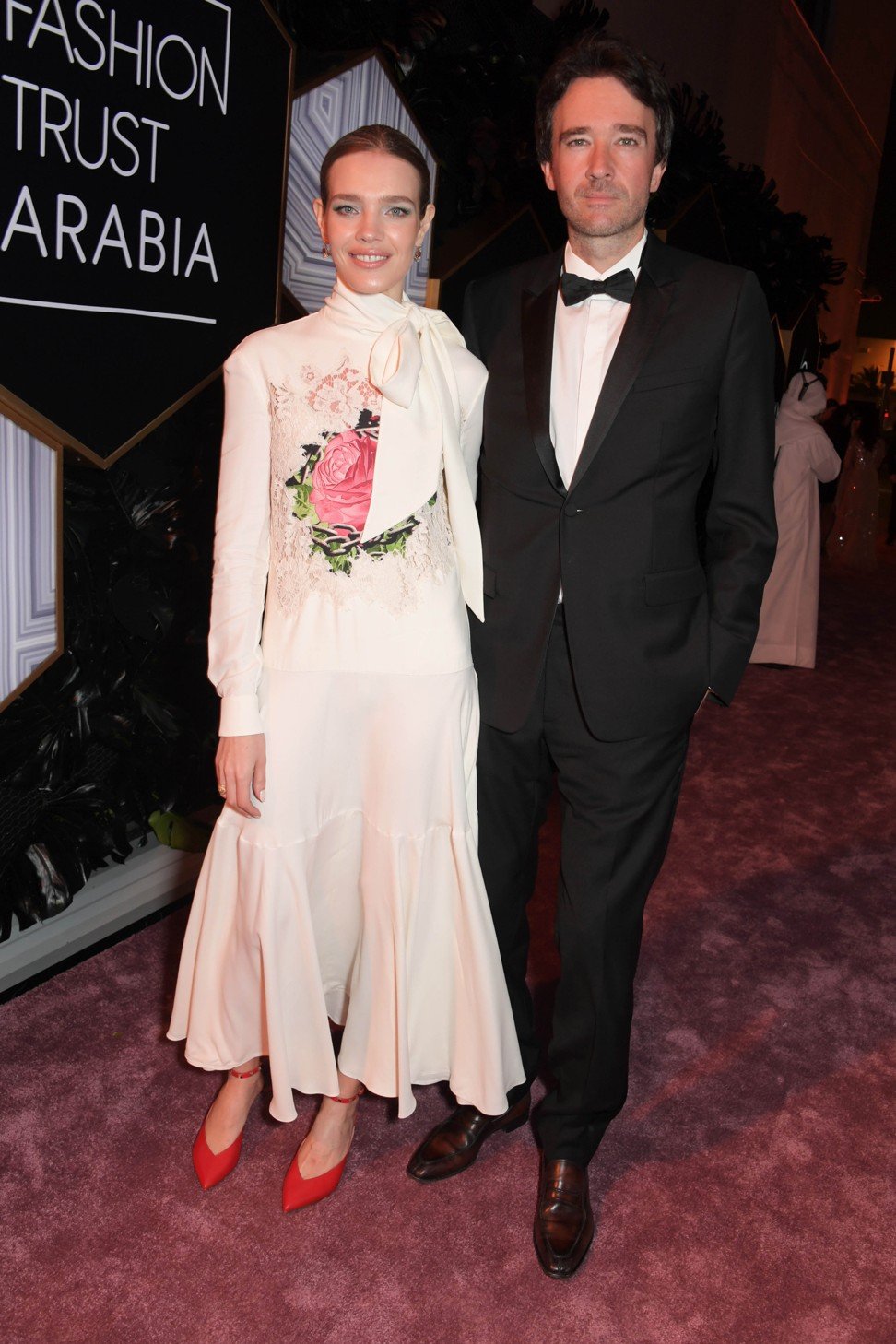
It was on this stage that the inaugural Fashion Trust Arabia Prize awards were presented. Prizes went to six winners from the Arab world for ready-to-wear, evening wear, shoes, bags and jewellery. Each will be granted up to US$200,000 to further their business, along with mentorship support from industry leaders and global luxury retailer matchesfashion.com, which will stock the winning collections.
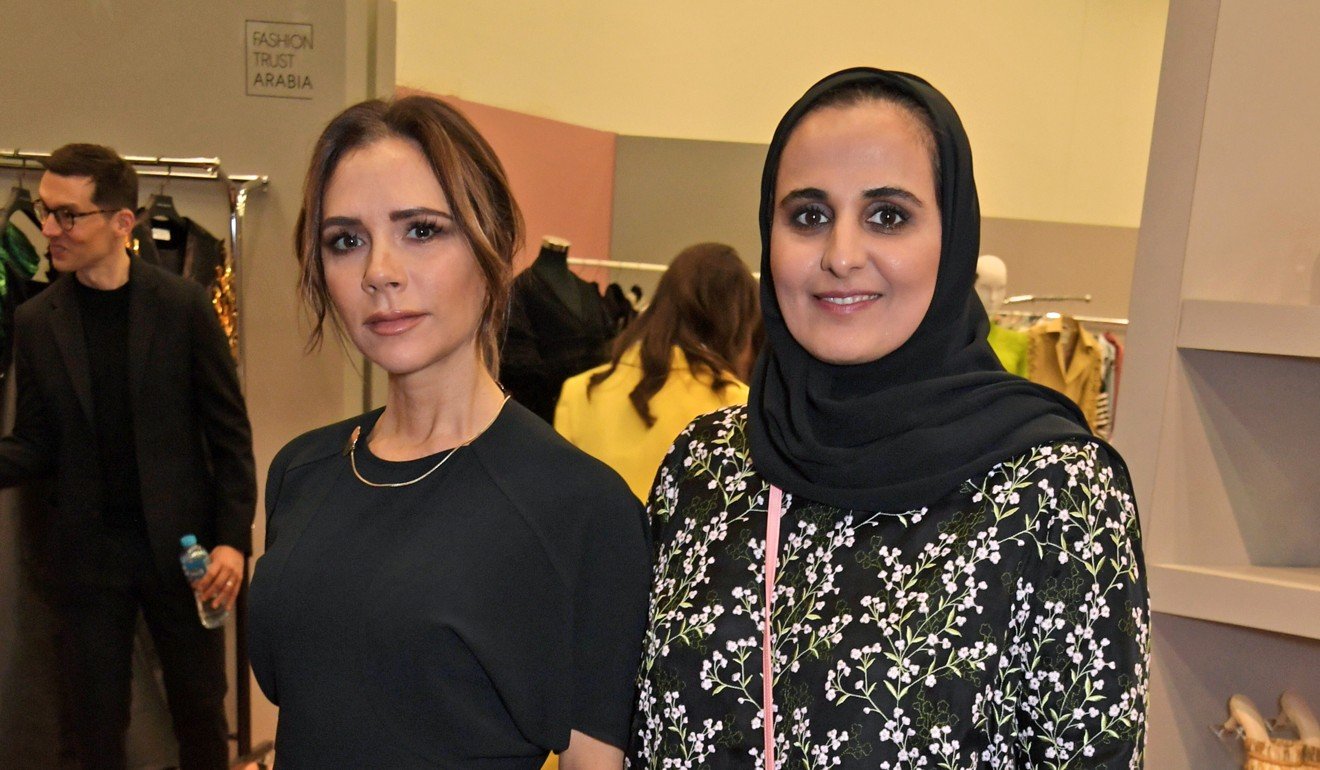
Held under the patronage of Sheikha Moza and co-chaired by the sister of the emir, Sheikha Al-Mayassa bint Hamad al- Thani, chairwoman of Qatar Museums, and Tania Fares, founder of the British Fashion Council (BFC) Fashion Trust – which provides grants to support designers – the prizes were judged by a panel including fashion designers Diane von Furstenberg, Olivier Rousteing, Alexander Wang, and Giambattista Valli, Net-a-Porter founder Natalie Massenet, Dutch model Imaan Hammam and Indian actress Sonam Kapoor.
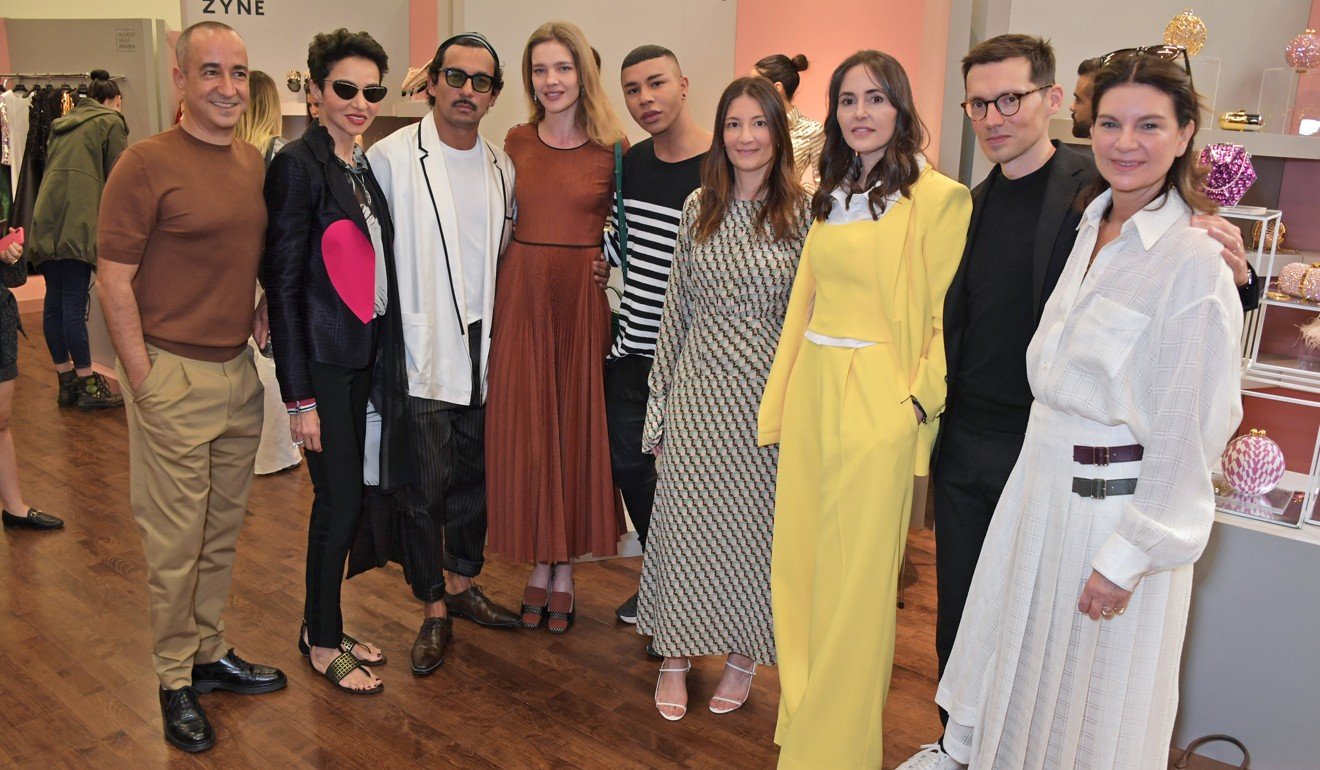
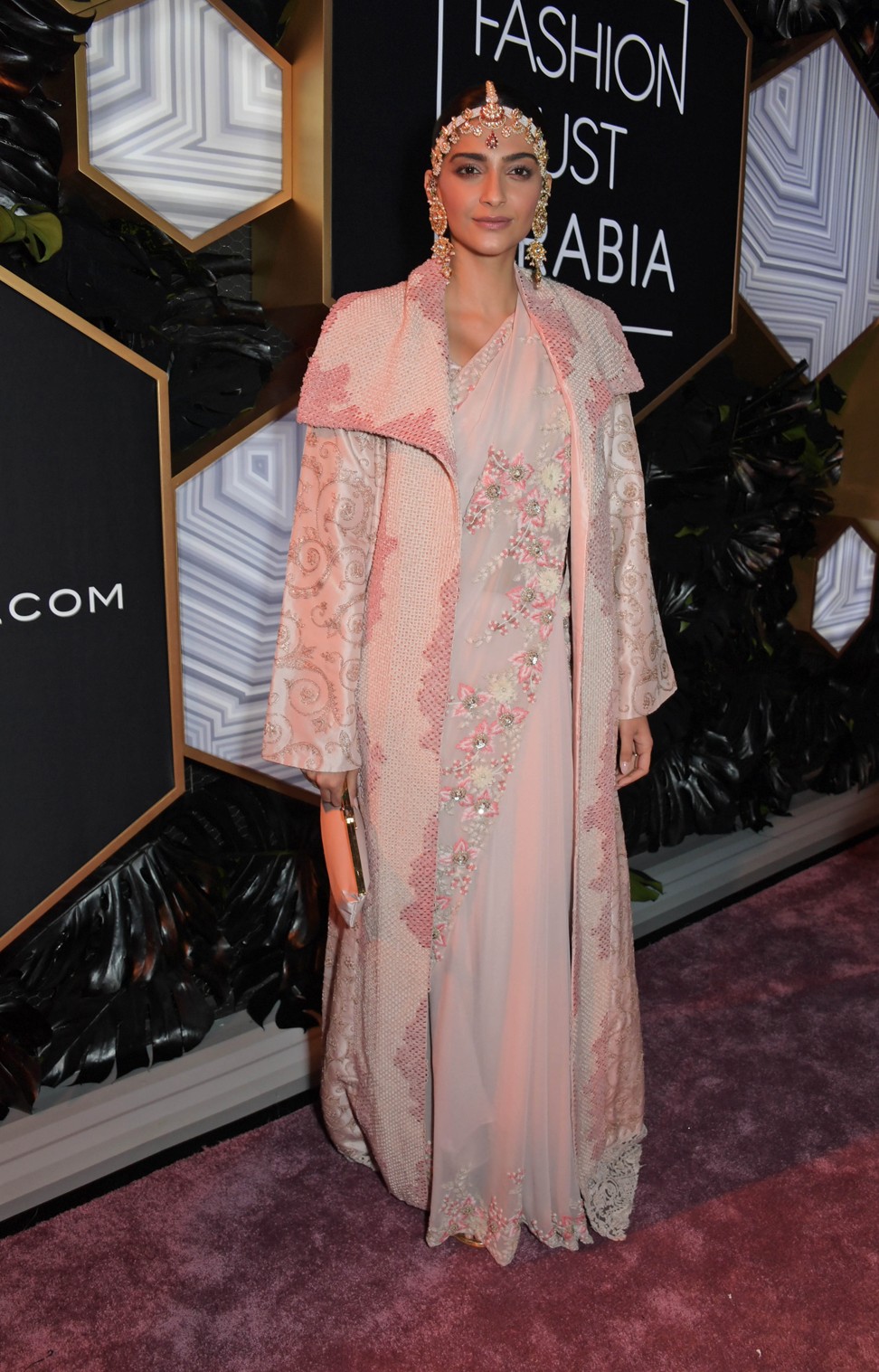
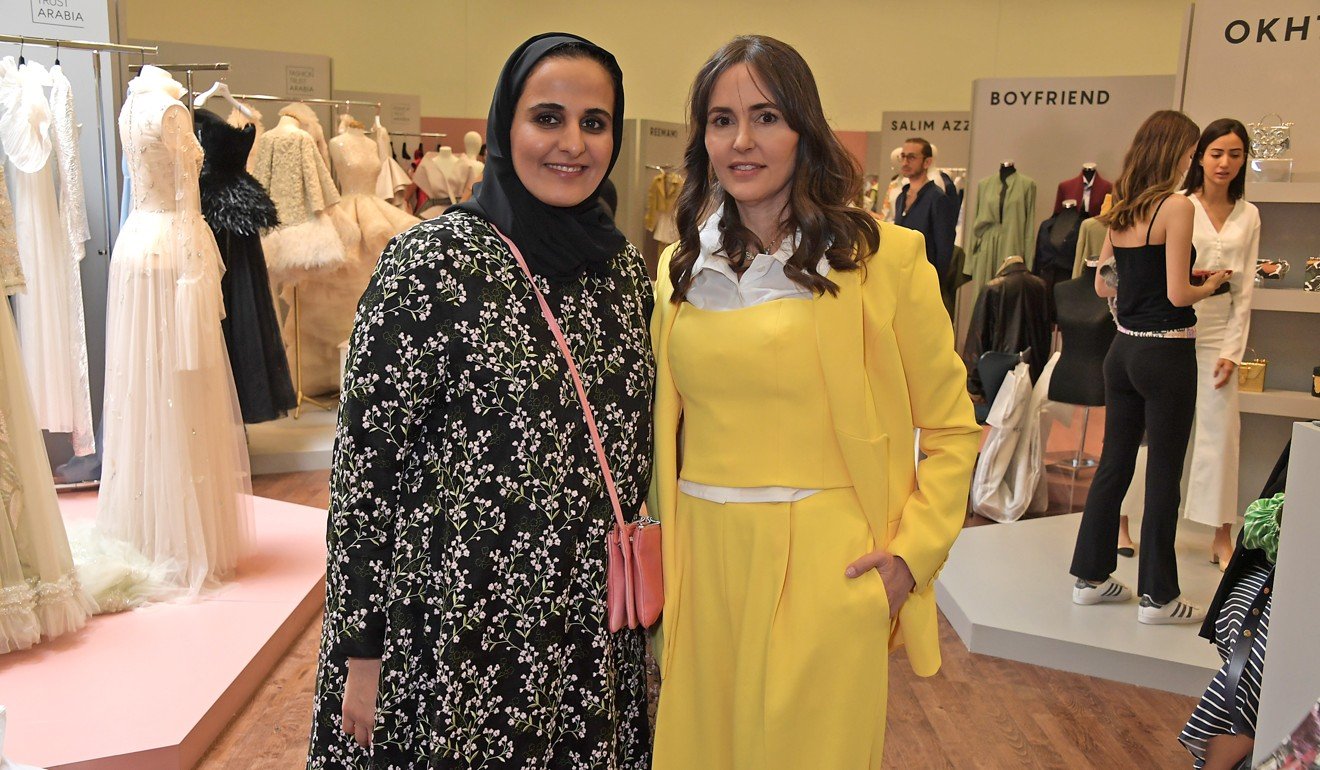
Speaking to the Post after the winners were announced, Sheikha Al-Mayassa said: “Fashion is a form of culture. It is its own art form, and … a rich source of storytelling, which combines influences from the past, present and future. It is an intensely personal [means] of self-expression which allows us to learn about different cultures and be inspired by each other’s unique history. ”
She said Fashion Trust Arabia (FTA) would anchor fashion as a major creative field in Qatar and across the Arab world, and added: “Qatar has always opened its doors to our neighbours and the greater world, and that level of engagement and shared dialogue must continue.”
“Fashion Trust Arabia is based on the vision of a united region where an emerging fashion industry will transcend regional and country borders, connecting all participants through the shared ecosystem of production and distribution. This vision of a joint fashion market [is] pragmatic, inclusive and beneficial to all,” Sheikha Al-Mayassa said.
We have kept our doors open to everyone despite the choices made by others to alienate people from my country – Sheikha Al-Mayassa bint Hamad Al Thani
“Creativity flourishes in an open space of tolerance and respect, and with this initiative we want to make sure we are fostering and encouraging all the designers in the MENA [Middle East and North Africa] region.”
Since June 2017, when five Arab nations, including Saudi Arabia and the United Arab Emirates, cut diplomatic ties with Qatar and imposed a land, air and sea blockade on the country, it has focused on forging an independent economy and identity. While no Saudi or Emirati nationals contended for the FTA Prize awards, Sheikha Al-Mayassa stressed they were open to all.
“By default the award is designed for the region. When planning this, the political climate was different. Fashion is an industry that supports young talent; we have kept our doors open to everyone despite the choices made by others to alienate people from my country. We have empowered people from different parts of the region,” she said.
How LVMH Prize boosts young designers in tough fashion world
Fares, who launched the BFC Fashion Trust in the UK in 2011 and is the founder of the CFDA Fashion Trust in the United States, said: “Fashion is giving a voice about creativity and not at all about politics. Putting the whole region together is amazing. It’s all about inclusivity and being creative and your business and growth. ”
Of the FTA, she said: “I just wanted people to understand that the Arab world is a great world and very open and inclusive.”
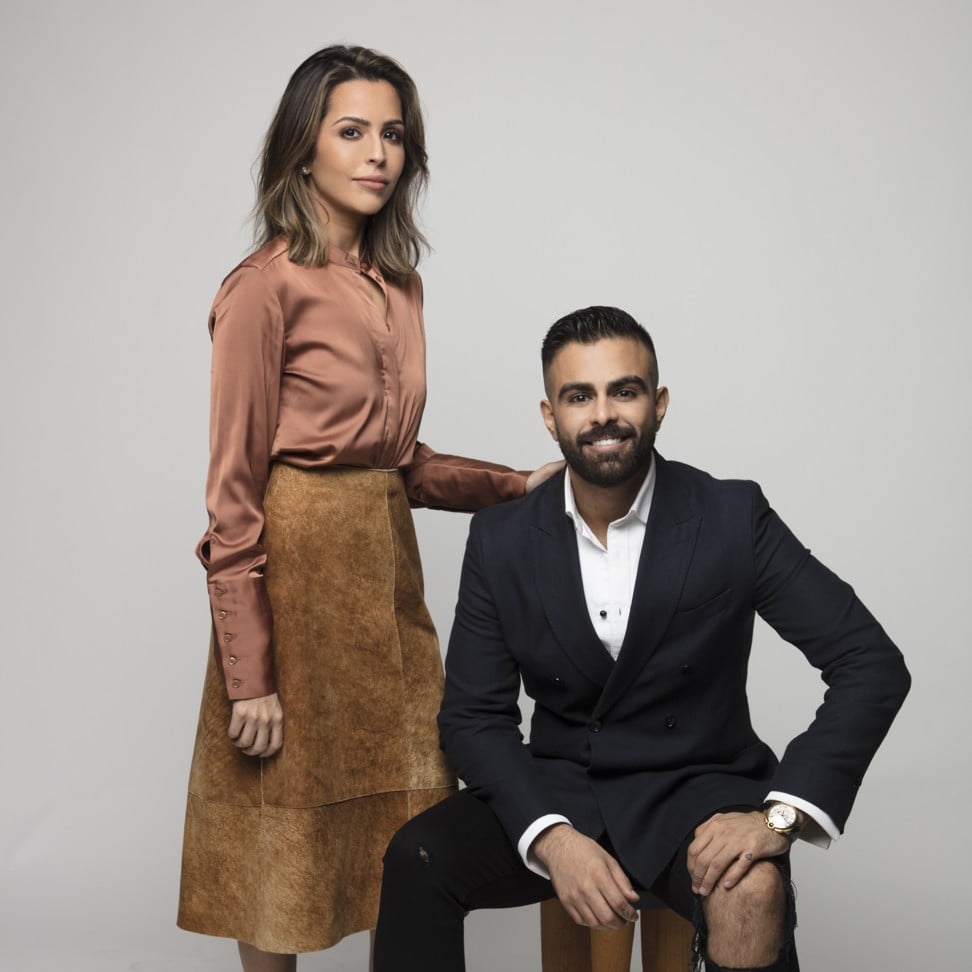
Lebanese designer Roni Helou, who shared the ready-to-wear prize with fellow Beirut-based designer Salim Azzam, said: “I believe it’s extremely important to shine a light on art and culture in the Middle East. To many countries and communities around the world, the Middle East is associated with negative things – whether that’s war, conflict or something else. ”
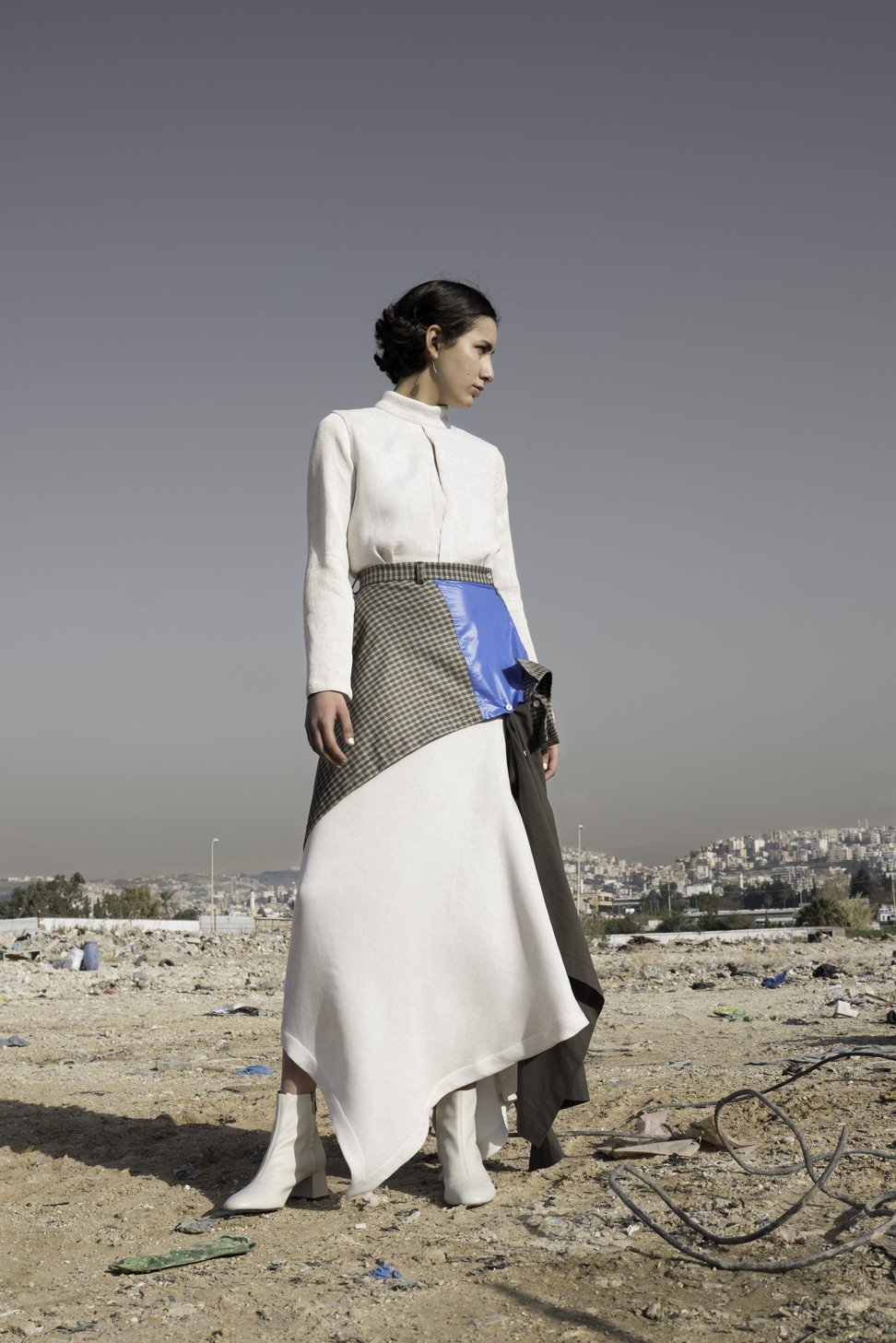
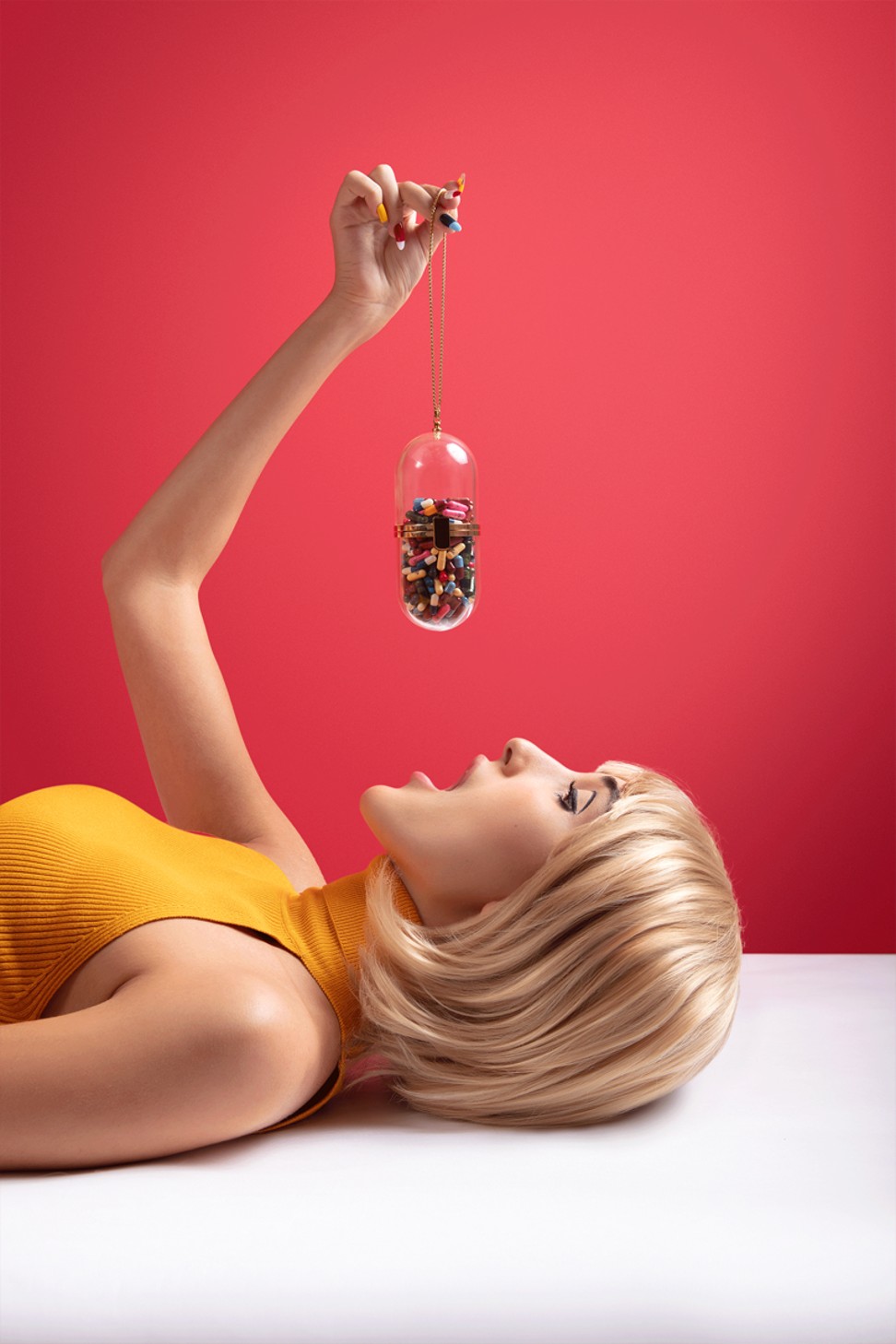
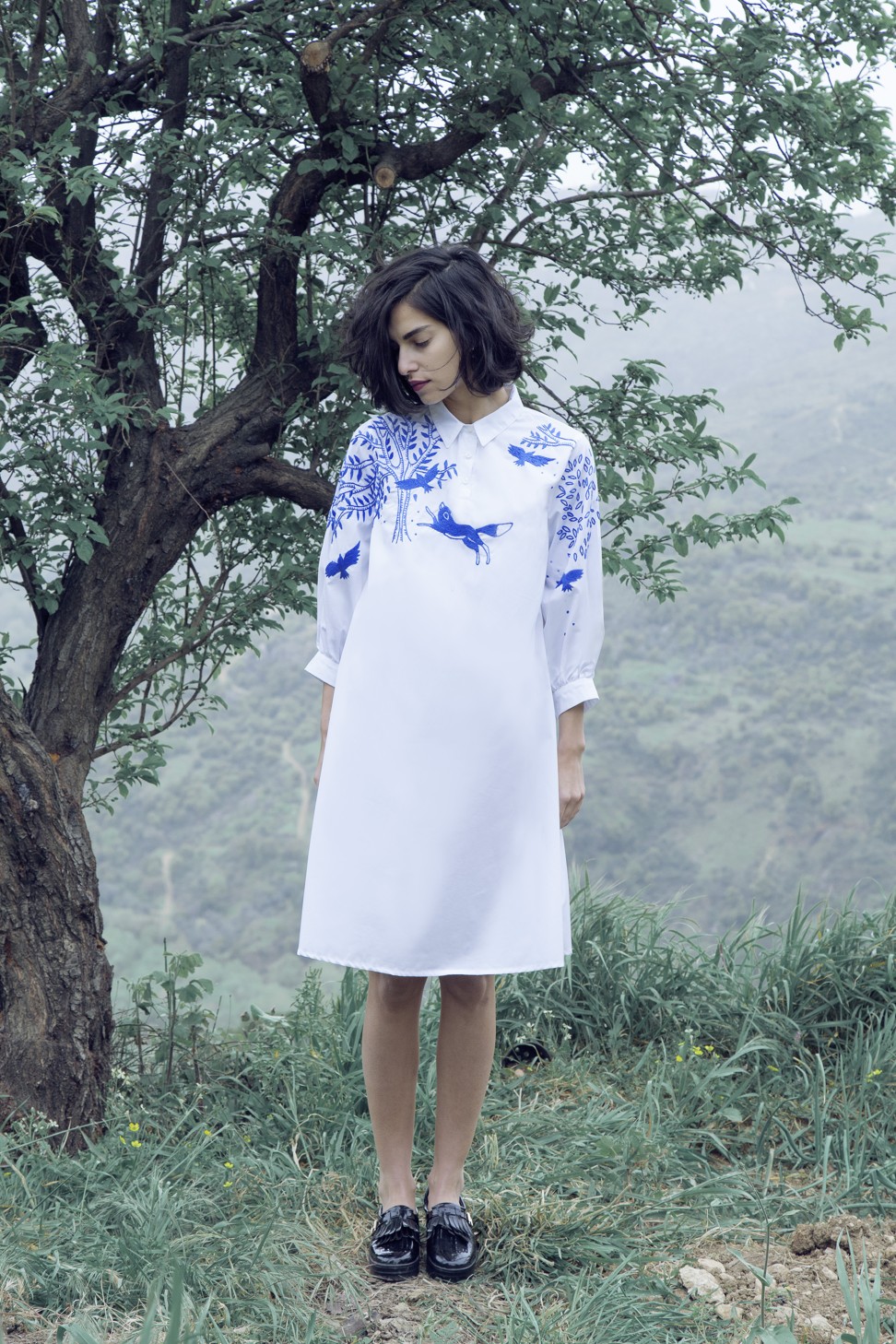
Helou’s work embodies his support of human rights, activism in support of animals and the environment, and advocacy of free education. He said: “We live in a region where it’s not always acceptable to share your opinions or speak your mind. As an activist, I always try to break down these barriers. I think it’s really important to stay true to yourself, your values and your art, and not let negativity affect you.”
As well as countering stereotypes about the Middle East, many of the 25 finalists in the competition were keen to challenge notions that there is a particular Arab aesthetic. Helou said: “When it comes to fashion, young Middle Eastern designers are often expected to fall into the haute couture category and become the next Elie Saab. This is because the few success stories to come out of the region are associated with haute couture, and I try to counter this way of thinking by … doing what I feel is right for me.”
Shanghai, Lagos, Almaty: does the world need more fashion weeks?
Some of the finalists have already found success in Asia, such as Kuwaiti shoe designer Najeeba Hayat, whose brand Liudmila mines a manga-meets-Dickensian aesthetic. “Eighty per cent of my clients are Chinese. It’s fantasy and they get it. They’re so cool. The ones who tag me on Instagram are nuts, their style is so insane. They clearly have a lot of fun with the way that they dress,” she said.
Another finalist, Marzook, a handbag label led by designers who are brother and sister, has been tapped by Mandy Yu’s Le Select store in Chengdu, western China, to create one of its signature crystal orb bags in a panda shape.
Helou said: “For me, China is the next market to succeed in. The country appreciates creativity and culture [and] I think the Chinese are very open to experiencing and understanding other cultures …”
However, he acknowledged the disparity in fashion production capacity between Asia and the Arab world. In order to grow, he said, “Arab designers will need better resources and more of them – whether at the supplier stage or the manufacturing level”.
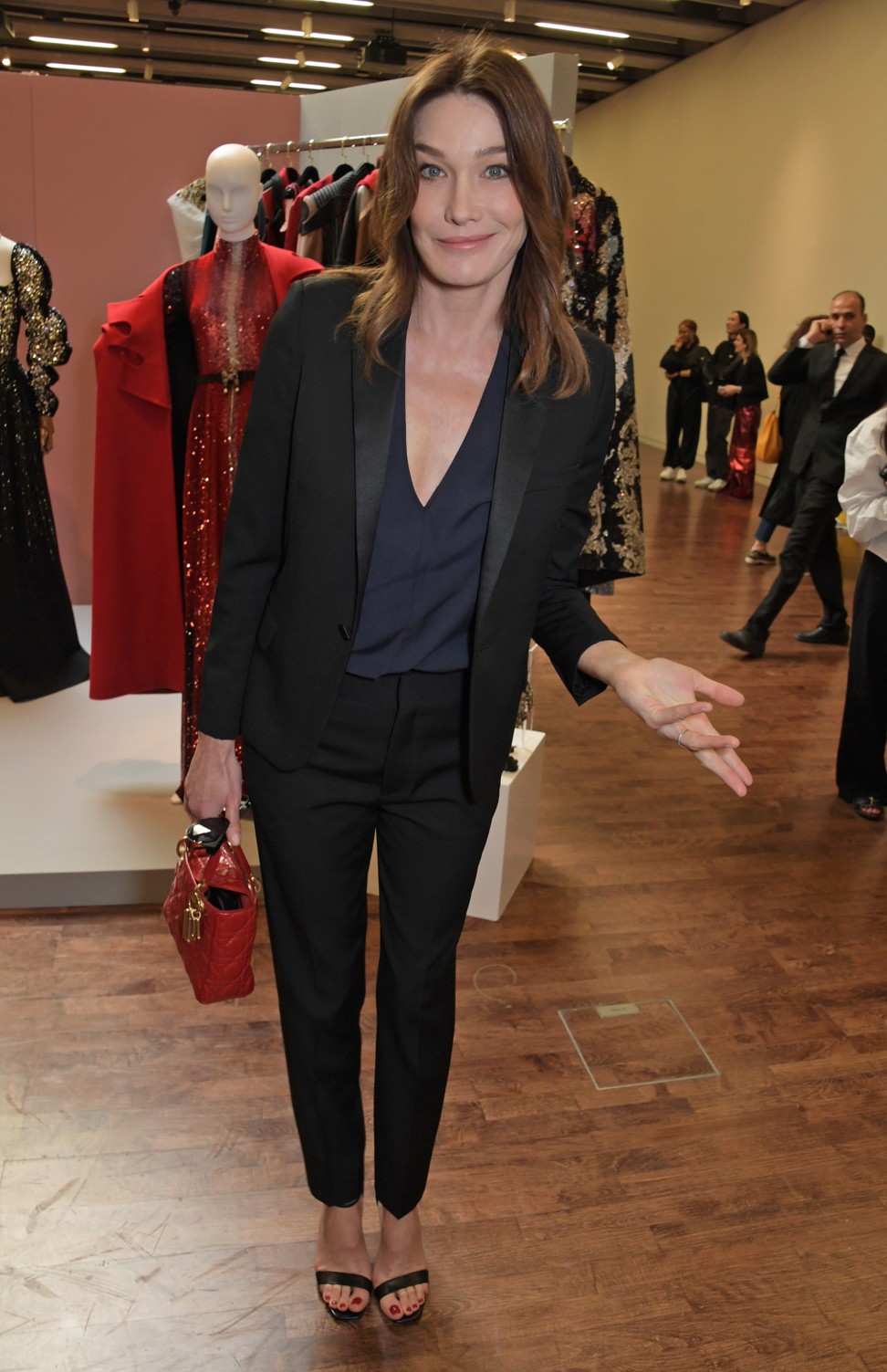
Sheikha Al-Mayassa said the launch of the FTA “allows us to foster the talent of our local designers, but that is largely because we want their art to have an influence on the rest of the world. There is beauty in inclusivity. That impulse to create and engage in dialogue is very much in our DNA.”
She added: “I hope [the awards] bolster [the winning] designers’ reputations to the degree that they can make an impact in our wider fashion industry. The Fashion Trust Arabia initiative allows these designers to honour their heritage and add diversity to the fashion conversation.”