
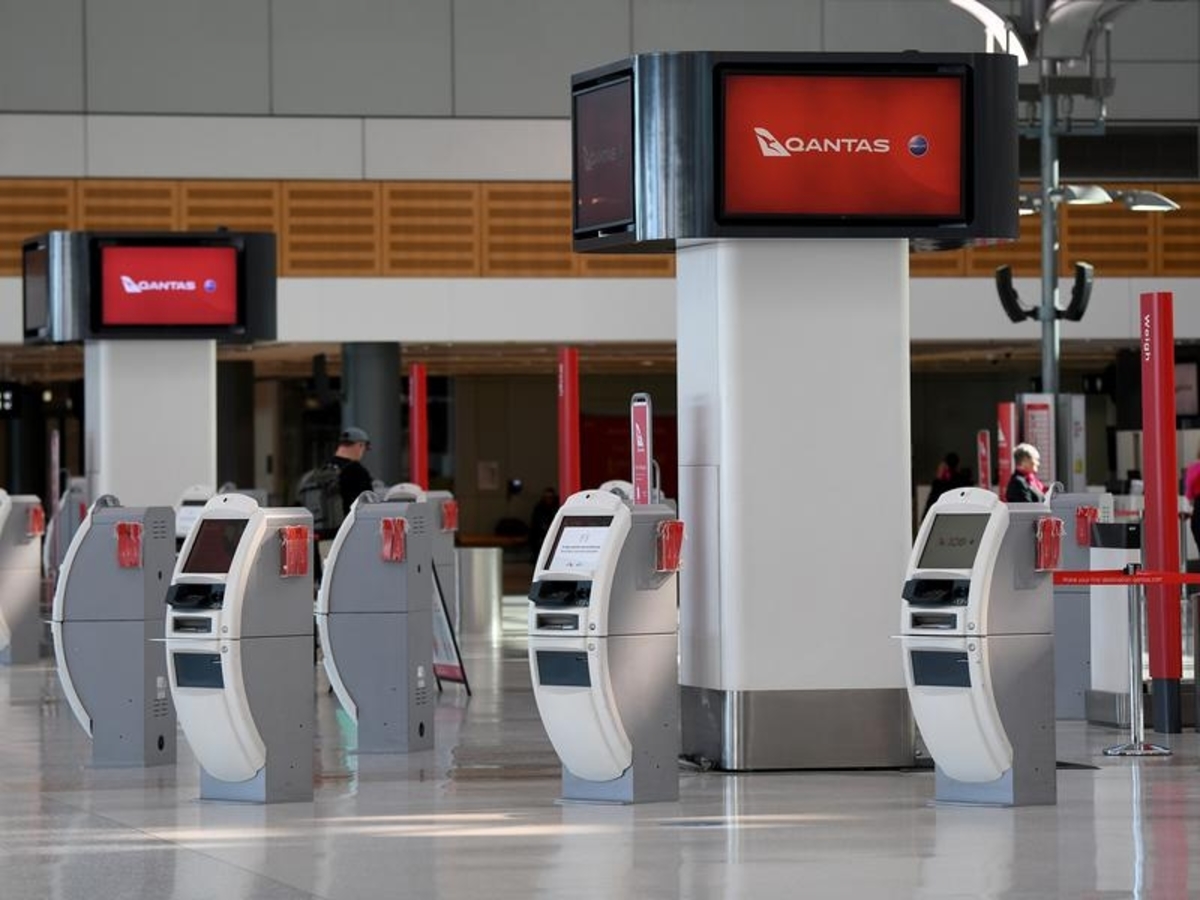
Qantas insists safety won't be compromised by its plan to outsource about 2000 positions, having rejected an in-house bid to save jobs at the COVID-battered airline.
The jobs affected are at 10 airports around the country and impact ground operations workers including ground crew, aircraft cleaners and baggage handlers.
"COVID has turned aviation upside down," Qantas Domestic and International CEO Andrew David said in a statement on Monday.
"Airlines around the world are having to make dramatic decisions in order to survive and the damage will take years to repair."
The plan was first flagged in August when the national carrier said it needed to restructure its ground handling operations to meet the economic and financial challenges brought on by the coronavirus pandemic.
Qantas estimated reducing the overall cost of ground handling operations could save around $100 million annually, based on pre-COVID levels of flying.
Avoiding large spending on ground handling equipment such as aircraft tugs and baggage loaders would also save $80 million over five years.
The Transport Workers Union had submitted a bid on behalf of Qantas workers in accordance with terms in an enterprise agreement.
Teams from some individual airports also submitted local proposals, but none met Qantas' objectives.
Mr David said TWU's bid claimed that significant savings could be made but it failed to outline sufficient practical detail on how this might be achieved, despite this information being requested multiple times throughout the process.
"Even with the involvement of a large accounting firm, the bid falls well short of what the specialist external providers were able to come up with," he said.
TWU national secretary Michael Kaine said the airline was outsourcing the work of Qantas specialists to "substandard operators" who he linked to industrial law breaches, worker underpayments and poor safety standards.
Mr Kaine claimed the TWU had submitted the "best bid" in terms of expertise, experience and price, describing the decision as "reprehensible".
"We will take every legal option available to us to fight," he said.
Qantas said its data showed that in some cases, the safety performance of external ground handlers was better than that of internal workers.
"We have used these specialist ground handlers at many Australian airports for decades and they've proven they can deliver a safe and reliable service more efficiently than it's currently done in-house," Mr David said.
Affected employees will receive redundancy entitlements and be helped to find new jobs.
The decision means job losses across the group as a result of the COVID-19 crisis and associated border closures total around 8500 of its 29,000 pre-COVID workforce.
Labor's industrial relations spokesman Tony Burke said thousands of Qantas employees who went to work this morning are going home without a job.
"Two thousand Australians who have given tremendous loyalty to Qantas for their working lives have now discovered that loyalty is not repaid," Mr Burke told reporters in Canberra.


.png?w=600)