Punitive models of youth justice have failed, politicians and Indigenous leaders agreed, responding to a question from Dylan Voller on the ABC’s Q&A program on Monday.
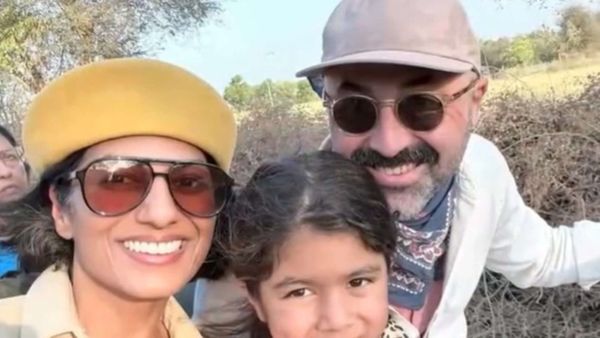
The panel in Alice Springs were unanimous about the lack of rehabilitation available for troubled youth in detention centres, prompted by a question from Voller, whose treatment in the Don Dale youth detention centre sparked a royal commission.
Voller was in the audience and asked why young people in detention were not given more opportunities to learn, instead being kept in cells with little rehabilitation.
Why cant we have more youth detainees from the juvenile center go to Bushmob? Josie Douglas & @manwiththemo respond #QandA pic.twitter.com/DmsZBvd4o6
— ABC Q&A (@QandA) July 3, 2017
Young people in detention needed to be given access to medical and psychological services and social and cultural support, panellist Josie Douglas, a senior policy officer with the Central Land Council, said. But this combination of services was often lacking.
“I think the reason is because we’ve had a punitive policy of tough love,” Douglas said. “It can’t all be tough. You can’t just be locking kids up without trying to do any rehabilitation.”
The federal Labor MP Warren Snowden agreed, saying: “The punitive models just don’t work.”
William Tilmouth, the co-founder of Children’s Ground, which provides education and programs to Aboriginal youth, said politicians provided funding only after the damage was done.
“Locking kids up is not the answer,” he said. “There’s nothing helping to work on the prevention of what’s happening downstream.” But, he said, “prisons make big money”.
The inclusion of Tilmouth was a last-minute change by the ABC after producers were criticised for bringing the show to Mbantua country with no Arrernte representation, and no Indigenous man.
The program also focused on the decade since the Northern Territory intervention, when the federal government introduced a package of emergency welfare provisions and law enforcement into the region in response to child sexual abuse and neglect. The intervention has been criticised as being punitive, and for removing self-determination from Indigenous communities.
Josie Douglas thinks the intervention was a policy failure. William Tilmouth says much of the intervention was punitive & overkill #QandA pic.twitter.com/zmR18CFJsS
— ABC Q&A (@QandA) July 3, 2017
An audience member, human rights campaigner Barbara Shaw, told the panel that since the intervention, more Indigenous people were in prison, more children were being taken from their families and communities, and youth suicide rates were on the rise.
“Do you agree that [for] Aboriginal people power and control of their lives will be a way forward for our people?” she asked.
But a member of the Alice Springs council, Jacinta Price, said she believed the intervention had improved lives, and had empowered women to come forward and report abuse of their children.
“I can take you to a lot of women who feel as though they’ve been given a voice since that happened,” she said.
“What it did was it put these very dark issues on a national stage ... people have gone, ‘You know what? We need to report what’s going on with these kids’. That’s what’s happened. That’s why we’re seeing an increase in that [reporting of abuse]. I wish we would look at the reasons why, instead of going, throwing this blanket approach saying, ‘This intervention has caused all this’.”
Douglas responded that while interventions such as the Basics Card, which restricted the way people could spend their money, had helped some people gain control of their spending, overall the intervention had been “a complete policy failure”.
“It just devastated people’s lives,” she said. “It took away people’s control of their own community.”
Money spent on the intervention over the past decade should have been invested in desperately needed infrastructure, housing and sanitation, Tilmouth said.
“But instead, they go that one step further and said, ‘You can’t live here, you can’t do this’, and took control,” he said.
“All that was unnecessary. That was a case of overkill. That was punitive.”