Srichand built its name as a Thai cosmetic brand, but is utilising a wide swathe of consumer products to generate sustainable revenue.
The brand now offers a wide variety of goods, including makeup base, sunscreen, lipstick and personal care items, through both online and offline channels in Thailand and overseas markets.
Srichand sells on leading e-commerce platforms in China and at several retail store chains in Japan.
The company set a goal to list on the Stock Exchange of Thailand in two years to raise funding for business expansion, including setting up its own factory and upgrading operations to become more professional.
A LONG HISTORY
The firm was founded in 1948 as United Dispensary by Phong Hanutsaha, who acquired a renowned powder formula and the product rights from Dr Leng Srichand. In 1988 it was renamed Srichand United Dispensary and mostly traded medical supplies, chemicals and cosmetics.
During that time, the brand was widely known among Thais for its scented powder.
The man driving Srichand's business expansion is Rawit Hanutsaha, the third generation of the Hanutsaha family to work for the brand.
He joined the family business in 2006 and transformed Srichand United Dispensary with a mission that it would flourish as a leading cosmetics brand.
Mr Rawit, the company's chief executive, has led the push raising sales to 500 million baht per year from 10 million during the early years of Srichand's establishment.
Overseas sales now contribute 5-7% of the company's total sales.
UPMARKET REBRAND
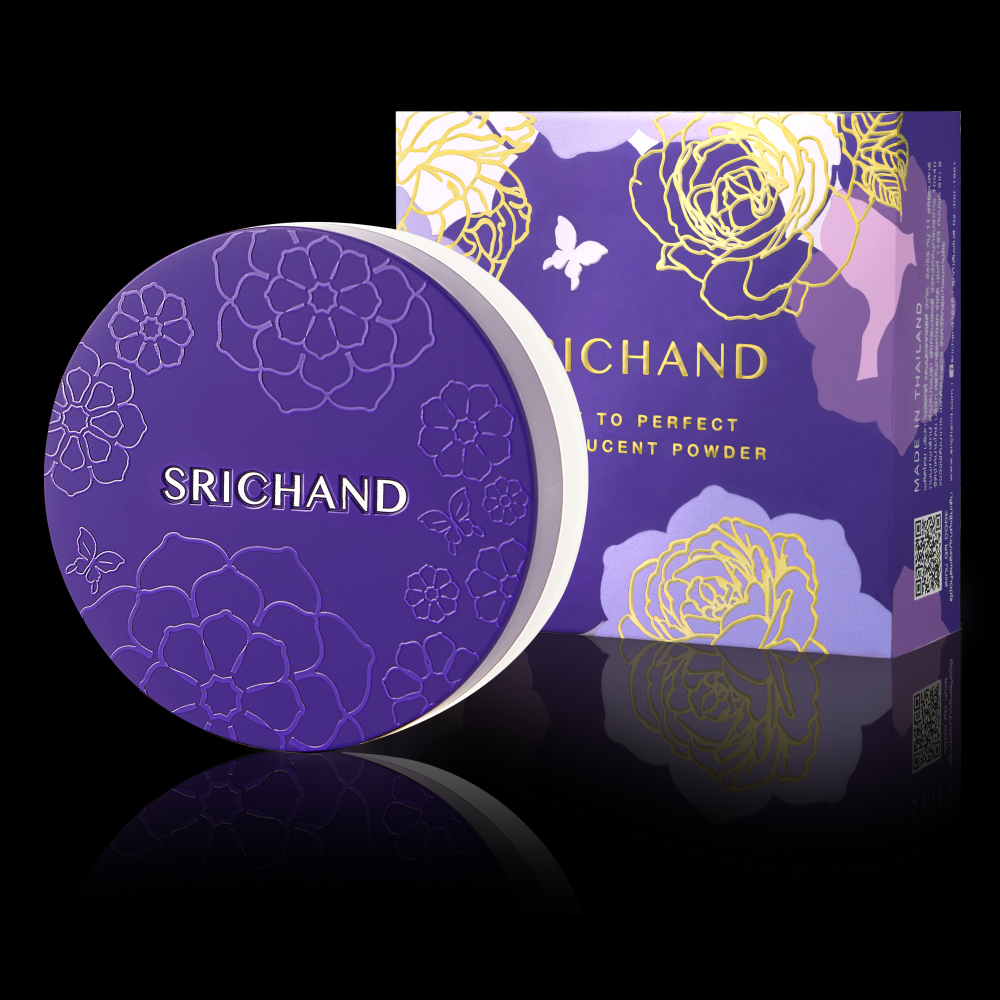
A major change is attributed to 2014, 68 years after Srichand scented powder launched in the market. It was rebranded as simply Srichand and became an overnight sensation because of its modern Thai packaging design and the quality of the product, he said.
New marketing strategies were introduced to increase the brand's awareness among new consumers.
"Initially we were making Srichand products that needed to be mixed with water before use, making them easy to apply. The new products no longer need to be mixed with water before use, while the packaging has been redesigned and prices increased to 280 baht from 18 baht," said Mr Rawit.
"Our rebranding used TV commercials in English, employing foreign presenters."
As a result of such efforts, sales of Srichand jumped to 200 million baht in the first year of Mr Rawit's leadership, up from 10 million baht.
Given improved confidence from this sales boost, the company continued to launch new product lines including powder foundation, sunscreen and eye palettes, but he admitted Srichand registered a substantial loss from the new product lines.
"We failed because we didn't listen to consumers. This taught me that before launching any products to the market, you have to do customer tests first to evaluate their feedback," said Mr Rawit.
"The more you test with customers, the less risk you are taking. As customer demand has become more complicated, it is essential to talk with customers; use 'social listening' as a tool to understand them; and buy research about customers to know them deeply and strengthen your channels."
BROADER PORTFOLIO
He said the company has never stopped expanding its beauty offerings.
Srichand is exploring an opportunity to triple its sales to 1.5 billion baht before its goes public on the Thai bourse, said Mr Rawit.
"We are preparing to ramp up our product portfolio to cover health, beauty and wellness to sustain long-term business growth," he said.
"The move is in response to customer preferences for beauty products to consider spirituality, attitude and confidence, not only physique."
The pandemic has stimulated people to be more concerned about their health, said Mr Rawit.
To cash in on this trend, last week the company expanded into skincare by launching Srichand Super C Brightening Intense Serum.
"Skincare is a very big market, accounting for 57% of the total Thai beauty market worth up to 144 billion baht a year," said Mr Rawit.
"Expanding into this segment can help leapfrog our sales by an average of 40-50% per year. We believe demand for makeup and skincare products will resume after the virus spread is contained and normal consumer behaviour returns."
He said the company plans to introduce healthy food to the market next year, believing health and beauty will be new S-curve businesses in Thailand.
"Our main concern now is inflation over the next six months. We expect a hike in the domestic interest rate and labour costs," said Mr Rawit.
"Thais also have relatively high household debt as a result of their spending power weakening. To stay afloat, we are speeding up reducing our debt and operation costs, while Srichand products in the market need to be revised. We also need to keep as much cash as possible."