Russian President Vladimir Putin said on Wednesday that “a 100 percent” success in oil production cuts by the Organization of the Petroleum Exporting Countries (OPEC) was largely due to Saudi Crown Prince Mohammed bin Salman.
He described the Crown Prince as the "initiator" of the deal.
"This led to positive results," Putin told an investment forum.
OPEC and its allies meet in Vienna next week to decide on production targets against the backdrop of concerns over a slowing global economy and rising oil supplies from the United States, which is not involved in an existing agreement to restrain output.
The negative economic outlook helped to push oil below $60 a barrel this week from as high as $85 in October, prompting some oil producing states to suggest significant production cuts.
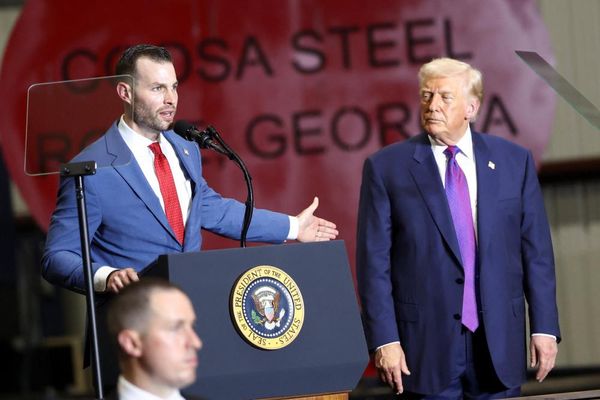
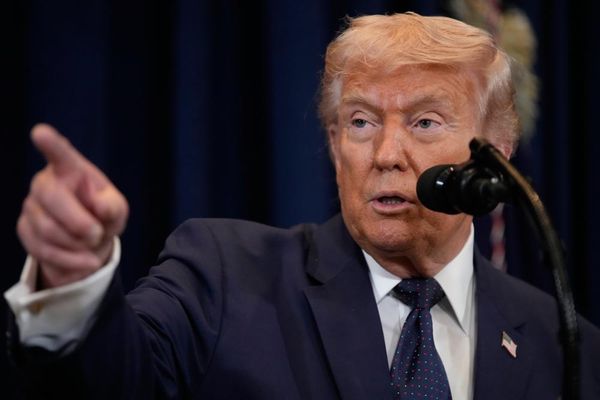
However, US President Donald Trump has called for refraining from output reductions and help to lower oil prices further.
“We are in contact with OPEC and we are ready to continue our joint efforts if needed," Putin said.
Russian Energy Minister Alexander Novak met Russian oil producers this week to discuss cooperation with OPEC, two industry sources told Reuters without providing details.
Saudi Energy Minister Khalid al-Falih said signals from Iraq, Nigeria and Libya were positive ahead of the group's Dec. 6 talks because all ministers want to restore oil market stability.
"We are going to ... do whatever is necessary, but only if we act together as a group of 25," Falih said, referring to OPEC and its allies.
"As Saudi Arabia we cannot do it alone, we will not do it alone,” he told reporters in Abuja where he met his Nigerian counterpart Emmanuel Ibe Kachikwu.
“Everybody is longing (to) reach a decision that brings stability back to the market ... I think people know that leaving the market to its own devices with no clarity and no collective decision to balance the market is not helping."
Kachikwu told reporters it was too early to say whether Nigeria would participate in any cuts but added that there was "absolute resolve" within the organization to stabilize the market.
Falih this month said that the abundant supply of oil could require OPEC and its allies to reduce output in 2019. He said at the time that supply could exceed demand by as much as 1 million barrels per day (bpd), or 1 percent of global demand, suggesting that OPEC and its allies may try to reduce production by that amount.
Nigeria and Libya were excluded from the previous cuts because of production declines caused by unrest, though their output has now recovered. Iran was also largely exempt from cuts.
Brent oil edged down towards $60 on Wednesday,