MOSCOW (Reuters) - The Kremlin has ordered the United States to cut about 60 percent of its diplomatic staff in Russia but many of those let go will be Russian citizens, softening the impact of a measure adopted in retaliation for new U.S. sanctions.
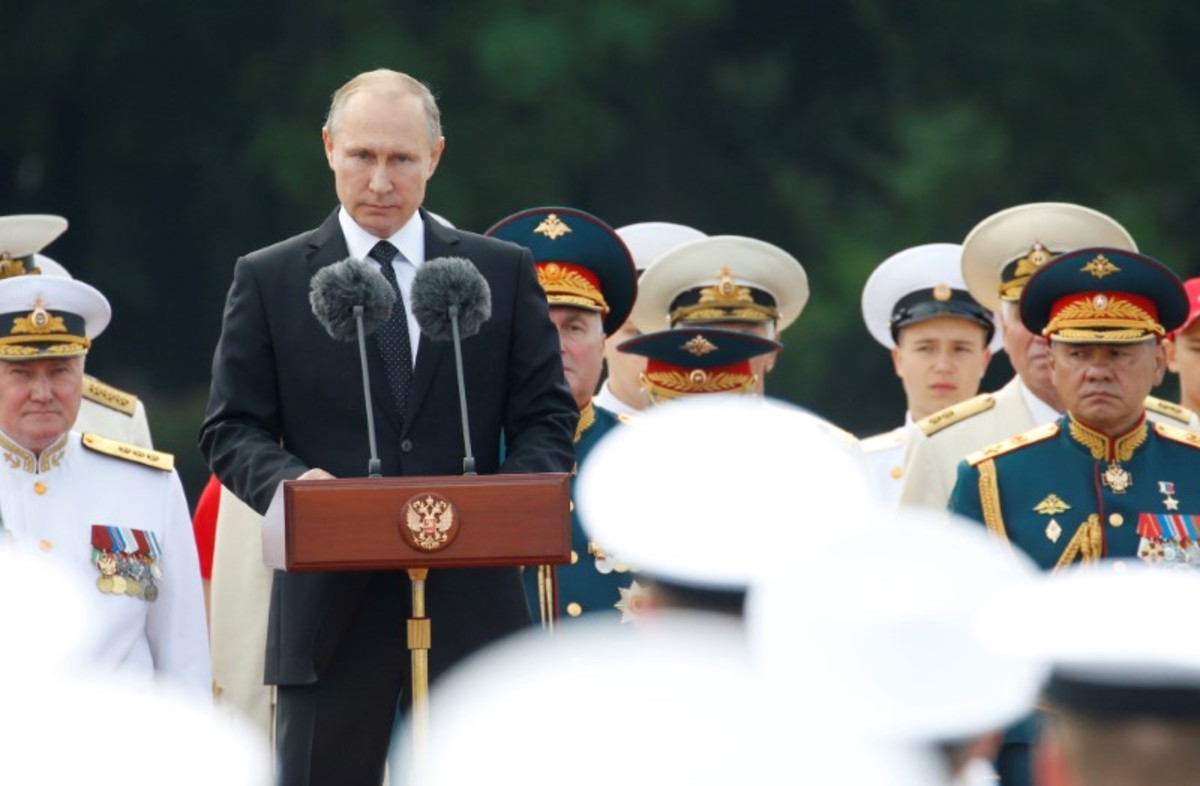
The ultimatum issued by Russian President Vladimir Putin is a display to voters at home that he is prepared to stand up to Washington, but is also carefully calibrated to avoid directly affecting the U.S. investment he needs, or burning his bridges with his U.S. opposite number Donald Trump.
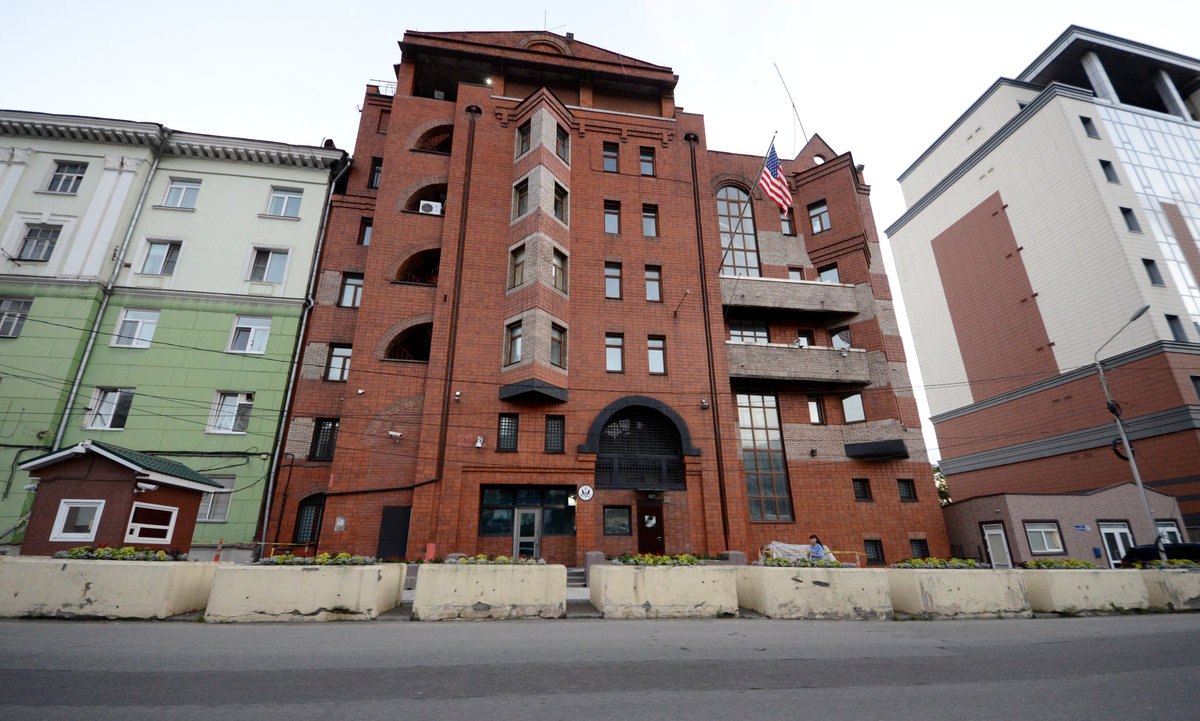
Putin said on Sunday Russia had ordered the United States to cut 755 of its 1,200 embassy and consulate staff by September, and was seizing two diplomatic properties.
The cuts will affect embassy and consular operations, but allowing the United States to choose who leaves means a smaller impact than expelling U.S. diplomats from Russia.
The measures were announced after the U.S. Congress overwhelmingly approved new sanctions to respond to Russian meddling in the 2016 U.S. presidential election and to punish Russia further for its 2014 annexation of Crimea from Ukraine. The White House said on Friday that Trump would sign the sanctions bill.
Speaking to troops in Tallinn, Estonia, U.S. Vice President Mike Pence called Russia's actions "drastic" but said Washington would continue with its sanctions until Moscow stopped its "destabilising activities in Ukraine and elsewhere."
Trump did not comment on the expulsions on Monday. "Right now, we're reviewing our options, and when we have something to say, we'll let you know," his spokeswoman Sarah Sanders told reporters.
Staff at the U.S. embassy in Moscow were on Monday summoned to an all-hands meeting where Ambassador John F. Tefft briefed employees on the Russian decision - the toughest diplomatic demarche between the two countries since the Cold War.
"The atmosphere was like a funeral," said one person present, who spoke on condition of anonymity because he is not authorised to talk to the media.
PUNISHING CONGRESS, NOT TRUMP
Forcing the United States to scale back its diplomatic presence will reinforce Putin's reputation at home as a resolute defender of Russia's interests. That will help burnish his image before next year's presidential election, when he is expected to seek another term.
Putin said on Sunday he saw no sign of better relations with the United States, and held out the possibility of more measures to come.
The consequences of the Russian retaliation are not so stark that it would permanently alienate Trump, according to Alexander Baunov, a senior fellow at the Moscow Carnegie Center, a think tank.
By announcing his counter-measures before Trump signed the sanctions legislation into law, "Putin is sending a message that he is punishing Congress's America, and not Trump's America," Baunov wrote in a Facebook post.
"(Putin) has taken Trump out of the direct line of fire and spared his ego."
Absent from the Russian retaliation were any measures that directly target U.S. investment in Russia. U.S. bluechip companies such as Ford, Citi and Boeing have projects in the country, bringing the kind of investment the Kremlin needs to lift a sluggish economic recovery.
TOWN HALL MEETING
Embassy employees in Moscow on Monday anxiously waited to hear if they would keep their jobs. Tefft described the Russian decision as unfair, but provided no details about the cuts, a person at the meeting told Reuters.
The ambassador said Russian staff who were let go and had served at least 15 years could apply for a special immigration visa to the United States.
"People asked what Russian staff should do now, since a lot of Russian people working for the embassy are blacklisted and cannot find a job in Russian companies," said the person present.
One area likely to be cut is the office that issues visas to Russian citizens seeking to travel to the United States, according to a former U.S. ambassador to Moscow, Michael McFaul.
"If these cuts are real, Russians should expect to wait weeks if not months to get visas to come to U.S.," McFaul wrote in a Twitter post on Sunday.
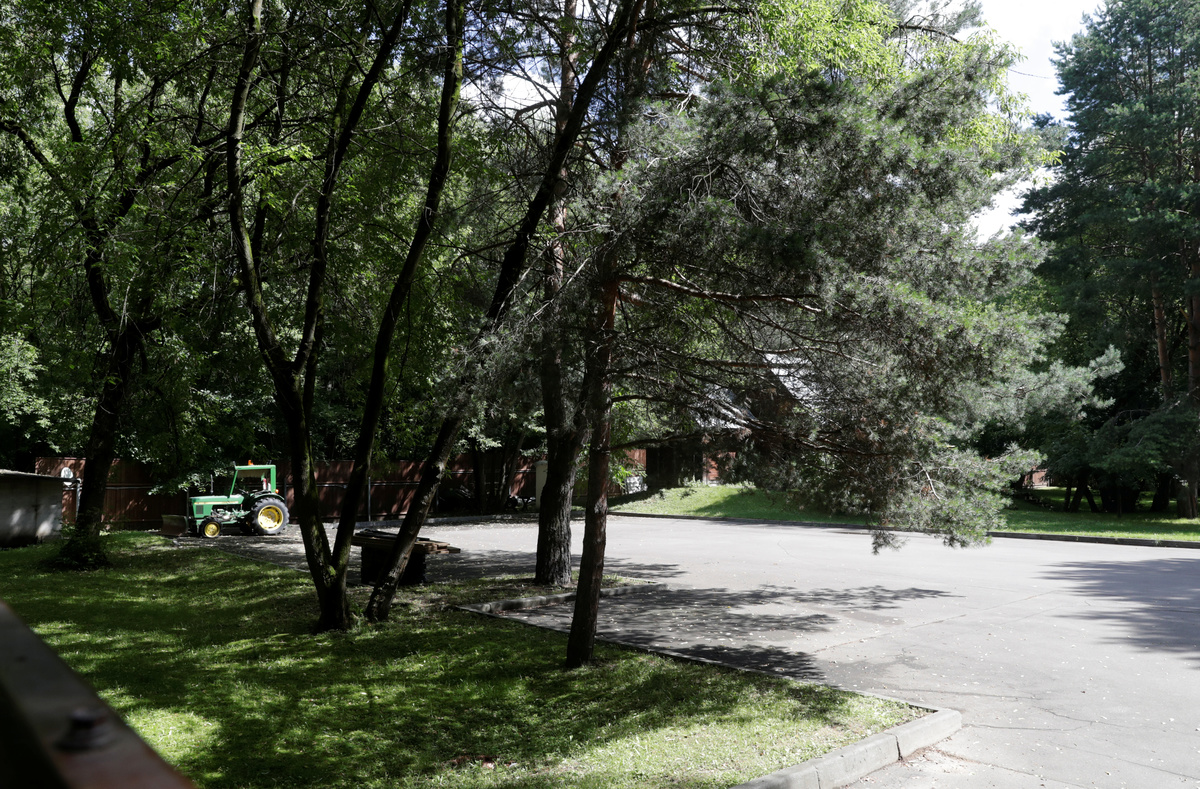
Moscow's response included a vow to seize a U.S. warehouse in southern Moscow and a country villa, or dacha, on the outskirts of the city used by embassy staff on the weekends.
On Monday, a Reuters journalist saw five vehicles with diplomatic license plates, including a cargo truck, arrive at the dacha. The convoy was refused access.
Russian state news agency RIA quoted an unnamed foreign ministry source as saying the Americans failed to obtain environmental permits for the trucks to enter a conservation area around the site.
(The story corrects paragraph 17 to show ambassador said local staff need to have served 15 years to be eligible to apply for special visas.)
(Additional reporting by Polina Devitt, Dmitry Madorsky and Gennady Novik in Moscow and Yeganeh Torbati and Roberta Rampton in Washington; writing by Christian Lowe; editing by Grant McCool)