One reason Uber thrives is because the ride-sharing app saves travellers from the messy business of unravelling public transport in unfamiliar cities.
I can vouch for that because I have just thrown in the mass transit towel in Sao Paulo, Brazil. I am travelling from the magnificent Museum of Art of Sao Paulo (Masp) out to the international airport. Instead of finding a bus-metro-airport express-bus combo, I am currently in an Uber, being driven by the aptly named Paulo. Right now we are in an almighty traffic jam in the John-Paul II Tunnel. Paulo has just warned me to close the window in case someone reaches in to nick the laptop on which I am writing.
Public transport is always my preference. But in a strange land it can be exhausting trying to disentangle the complexities of route networks, timetables and, in particular, ticketing systems.
My journey from the airport into the heart of the city provided a classic example. South America’s main aviation hub has a shiny and expensive Airport People Mover that will one day link the terminals with the ambitiously named Airport Station (several miles from the actual airport).
One day. Despite being originally scheduled to open in 2021, the driverless shuttle has not so far moved any people besides engineers and staff. The latest opening date to be announced: January 2026. That deadline has gone the way of all the others.
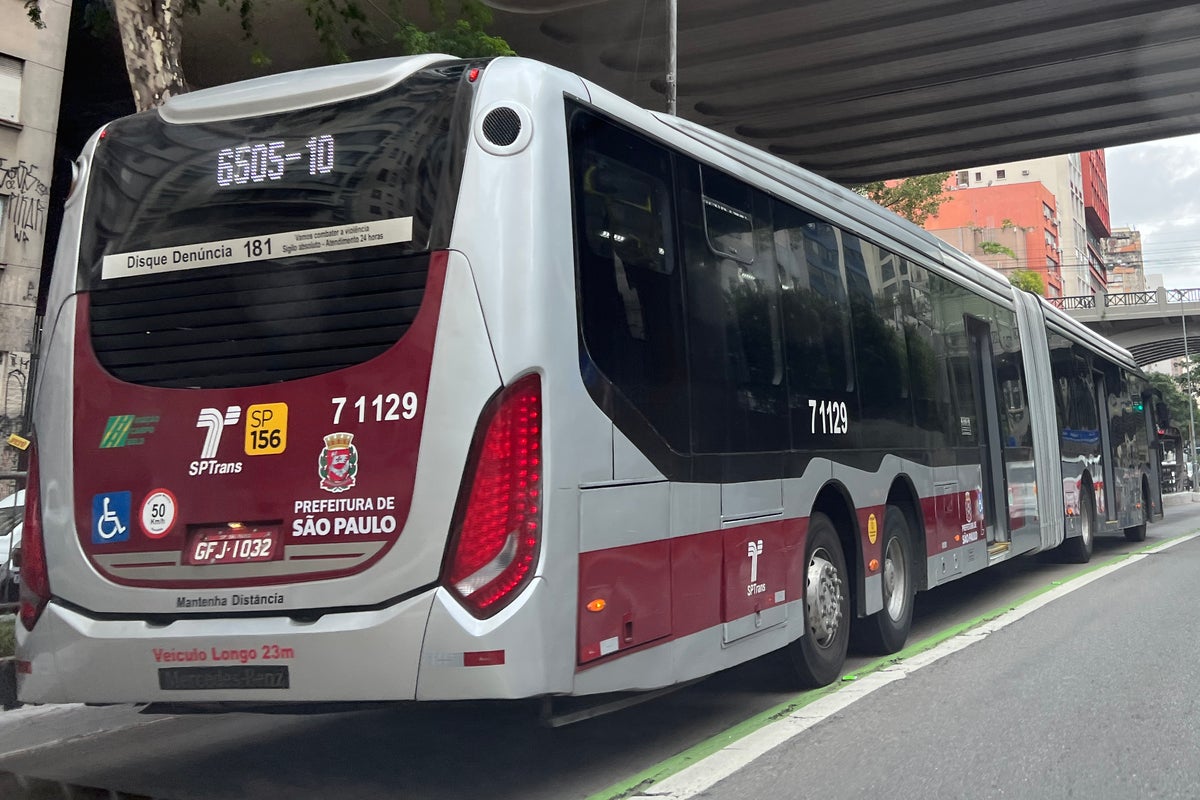
Until the People Mover lives up to its name, the local bus takes the strain. I hopped aboard, brandishing a UK credit card. I took the driver’s nod and smile to mean I could pay the fare by wafting the piece of plastic over the terminal. But my progress was halted at the big steel turnstile beside him. A repertoire of British bank cards failed to move the machinery. A friendly local, watching my growing frustration, stepped up and tapped me through on his card. I will seek to pay it on one day.
One problem solved, I assumed more would await once I reached the “Airport” station, a 10-minute bus ride away. I approached the ticket office to buy a metro ticket. “Cash only.” At this point, I had not procured any local currency. Where’s an ATM when you need one?
But then the lady pointed at my card, pointed at the gates and said: “Bom” (good). No need to buy a ticket, just use a contactless card, I inferred. The device controlling the gate gave me a big green tick and opened the way.
Downtown Sao Paulo, here I come. Well, after a fashion. Were you to design a timetable for the Airport Express train from Brazil’s busiest airport to the heart of Latin America’s largest city, you might schedule departures every 10, 15 or 20 minutes. In fact, the express sets off on the hour, every hour. And it gets as crowded as a Brazilian football stadium.
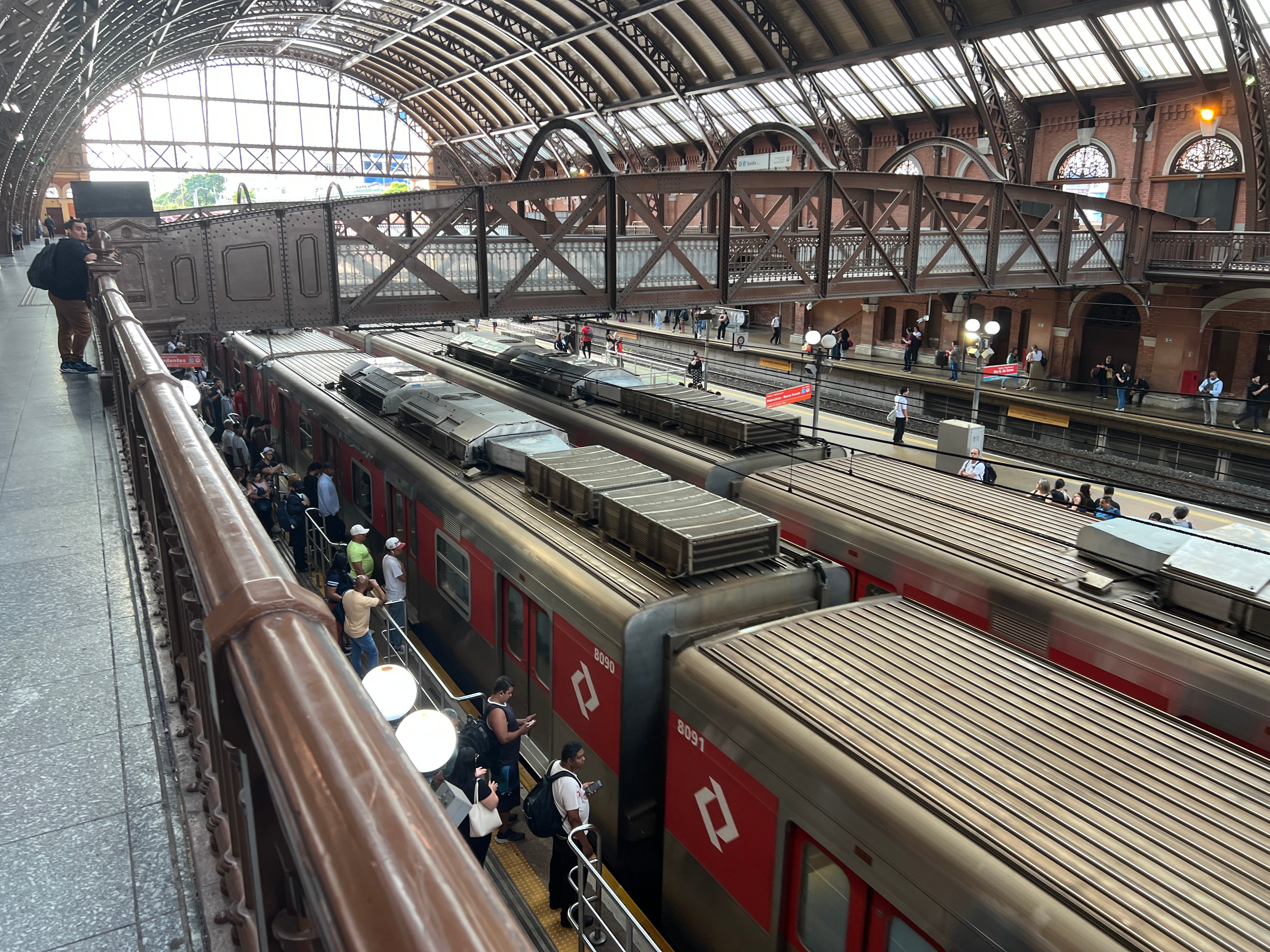
I emerged from the beautiful Luz station to find a group of police pointing their guns at someone – a petty thief, I presumed, rather than an ICE-style swoop.
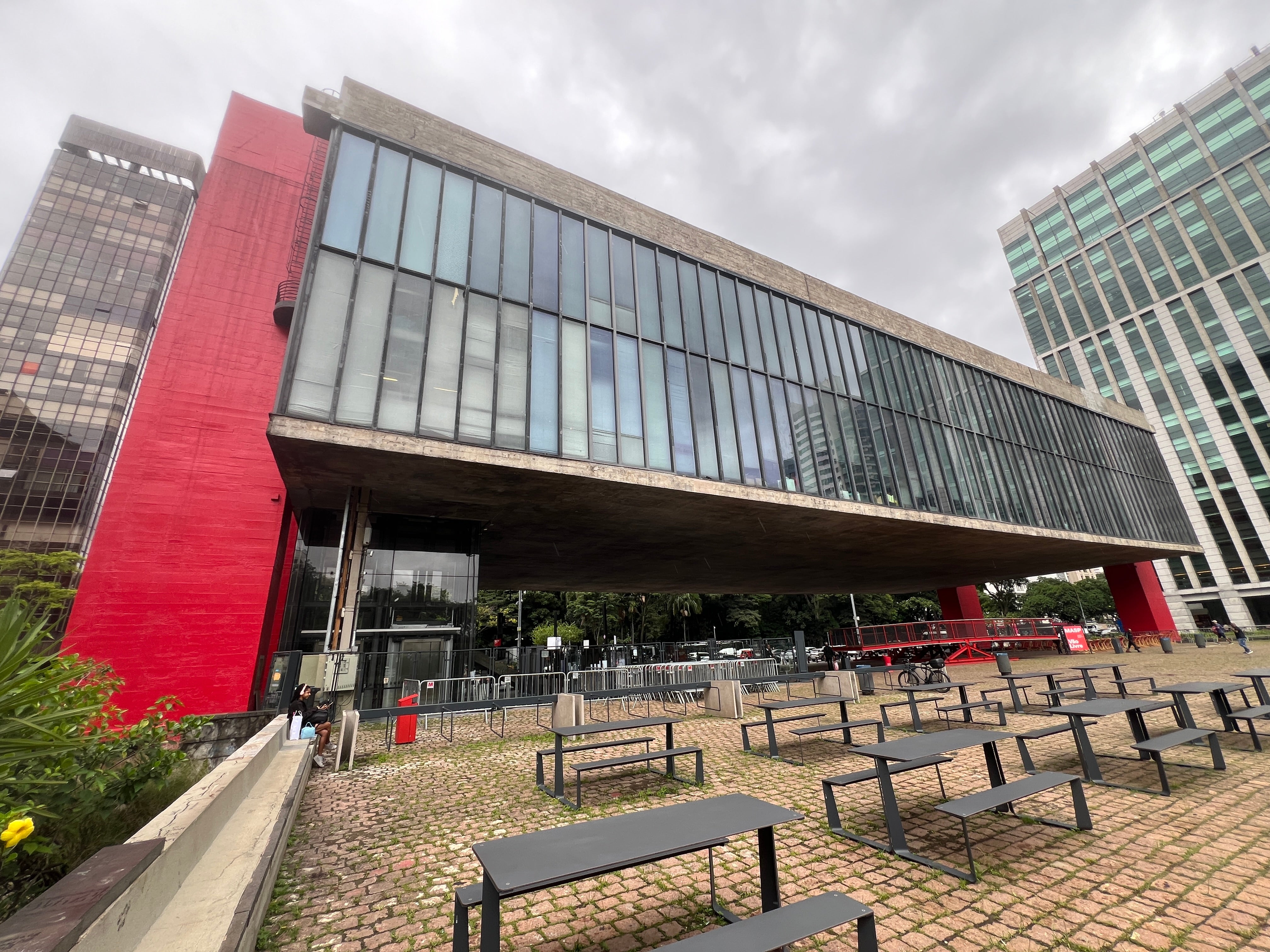
Considering its population, which is somewhere north of 25 million, central Sao Paulo feels safe and walkable. I enjoyed the monuments, the street art and the finest array of Volkswagen Beetles and microbuses this side of a German motor museum. And I was thrilled to see Masp, the iconic 1968 brutalist modern art hub newly married to a shiny 14-storey annexe.
When the time came to leave for the airport and my super-cheap (also super-uncomfortable) Air Canada flight to Buenos Aires, I faced a choice. I could construct a bendy-bus-metro-airport express-bus itinerary and contend with at least three different fare systems at play. Or I could default to an app that can summon a car and driver instantly in hundreds of cities around the world, with payment processed though the same Uber account that I use for train tickets in Britain. I chose frictionless.
Tourists can’t complain about other people’s mass transit systems. Public transport exists to meet the needs of the local population, not to cater for the whims of passing travellers. Yet since the infrastructure, the buses and those oh-so-rare airport express trains are already running, transport enterprises surely want to earn whatever they can from overseas visitors and use the extra revenue to improve the system for citizens.
Transport for London (TfL) understands this. Any tourist or business visitor with a contactless payment card or phone can tap in and out of the Underground or hop on surface transport without a second thought. Better still, the system works in the background to calculate the lowest applicable fare for each day or week of use. People trust the technology.
Rather than summoning Ubers, thereby adding to the traffic on inadequate roads, tourists to London gladly navigate on public transport. Commuters may complain about backpack-swinging visitors who don’t follow the Tube conventions, but the fares they pay are an essential component of funding for the capital. And making journeys seamless helps to boost the appeal of London.
Only one city – actually an entire country – does it better. Luxembourg’s public transport system is a picture of simplicity: no fares. Welcome aboard.
Simon Calder, also known as The Man Who Pays His Way, has been writing about travel for The Independent since 1994. In his weekly opinion column, he explores a key travel issue – and what it means for you.
Fire near Euston station sparks major disruption to UK rail services
How to enjoy a winter sun holiday in Dubai without breaking the bank
How to travel Brazil with new flight pass
European airport trials new technology to help travellers with hearing loss
Dubai announces plans to construct a street made with actual gold