Taken literally, the British Medical Association’s demand for resident doctors’ pay to be restored to 2008 levels would require an immediate 26 per cent rise, at a cost to the Treasury of some £700m. It must hurriedly be added that this real-term “pay restoration” would be on top of the 28.9 per cent uplift agreed last year by the incoming Labour government.
Another far-above-inflation award is likely to be viewed by most people with a mixture of envy, bewilderment and disbelief – if not actual anger. Given that the doctors’ latest strike over pay coincides with a flu epidemic and is adding to already unbearable pressure on the NHS, the BMA is pushing its luck. The public’s patience with the resident doctors, dedicated professionals as they are, is wearing thin.
Many hoped that the election of a Labour administration committed to investment in the NHS and with a sympathetic attitude to the doctors’ plight would see an end to industrial action. But it has not turned out that way.
The doctors’ current action is the 14th in a series, and there seems to be no end to the misery being inflicted on patients and their families. There is a balance to be struck in any industrial action, in any sector, between the kind that commands public sympathy and the kind that alienates people. It must be effective without causing unnecessary harm and suffering. The strike this week by the medics falls on the wrong side of that balance, and it will not further the doctors’ broader cause of better pay and conditions.
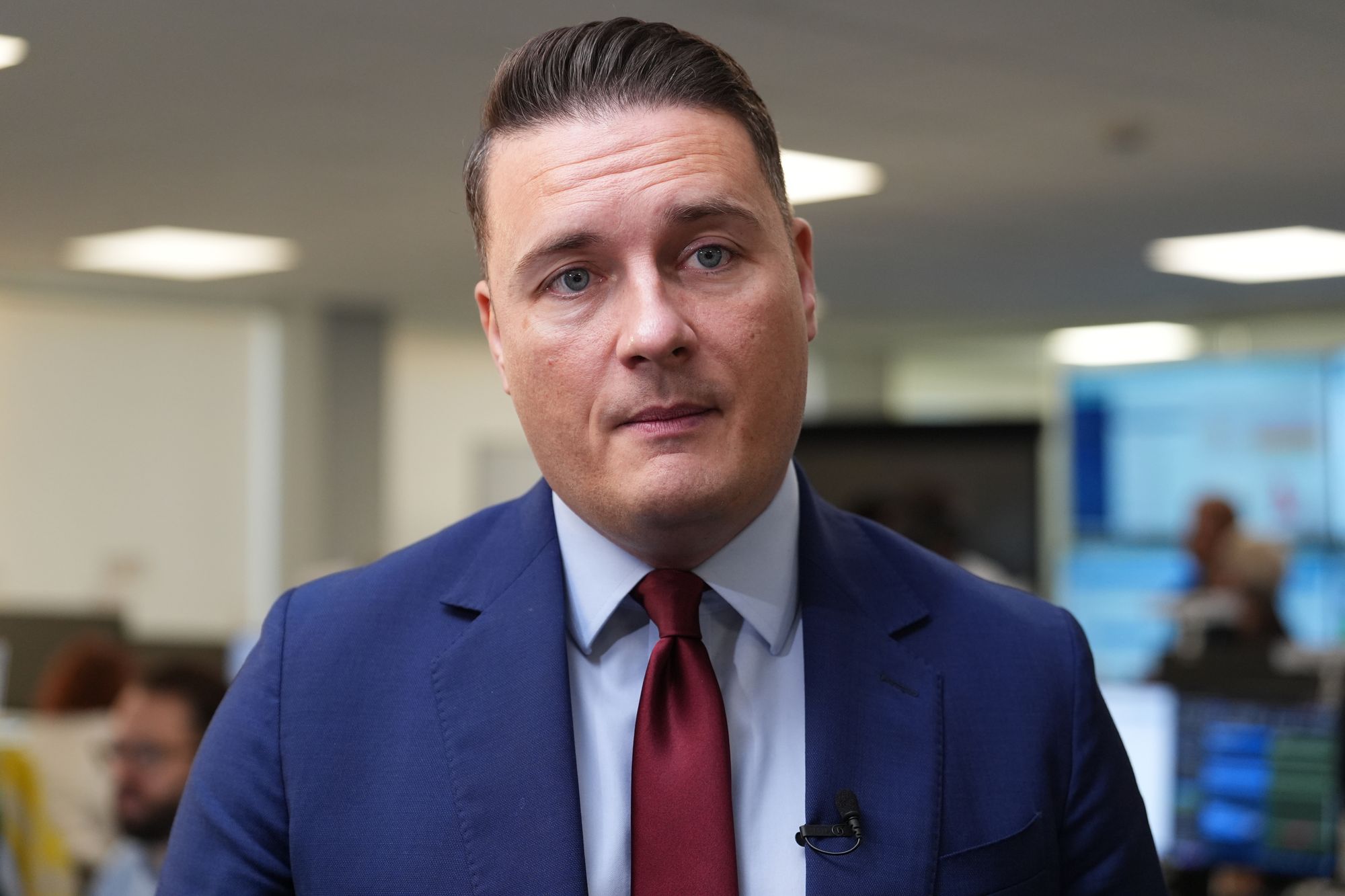
Neither, though, will the arbitrary and audacious nature of their pay claim. Their chosen date for “full pay restoration” chimes with the moment at which the global financial crisis struck in many of the world’s advanced economies. The BMA argues that 2008 was when austerity – and with it, pay erosion – began to bite, and that inflation, alongside 17 years of real-term cuts, means that resident doctors’ pay is now down by around a quarter.
But a different year would yield a different figure, and likely a lower one. Any group of workers could peer back in time to some golden era when their pay and conditions were much higher in real terms.
The doctors might reply that, in that case, those others should copy them and take industrial action accordingly. Yet not every trade or profession has the bargaining power of the BMA, and at any rate, this would be no way to run an economy, ratcheting up wages for any given sector to their historic peak.
According to the Department of Health and Social Care, resident doctors “can increase their pay if rostered during unsocial hours or through working additional hours. The impact of additional earnings means that average earnings for foundation year 1 doctors are expected to be around £49,000, increasing to £97,000 for the most experienced resident doctors.”
Even if those figures are something of an exaggeration, and take too little account of the actual hours worked and stress on the wards, it is still true that such earnings are significantly higher than those of most workers – and taxpayers – who are being asked to fund an additional, inflation-busting increase for the resident doctors. It is also only fair to point out that, later in their careers, as many move into consultancy, their earnings will be a large multiple of the average wage.
Even now, the nation’s medical professionals, like the NHS, inspire a basic level of confidence in most people, but this cannot be taken for granted. Indeed, it is being eroded. These incessant strikes are becoming not so much a private struggle between the health secretary Wes Streeting and the more militant new generation of BMA leaders, but one that pits the profession against a hard-pressed public, whose taxes fund the NHS and the doctors’ salaries.
Public opinion matters a great deal in public-sector disputes, and it is not moving the doctors’ way. Had their tactics been smarter and their pay claim more realistic, then the pressure would be on Mr Streeting to give way and end the disputes. At the moment, though, with so much of the recent progress in reducing waiting lists being reversed by industrial action, people are getting fed up with the doctors.
The government has expanded opportunities for promotion, which opens up much higher earnings for doctors than any probable pay rise will deliver. Public goodwill is being squandered by the BMA – and that is only going to help Mr Streeting, who is no slouch at defending his case, and who must prevail.