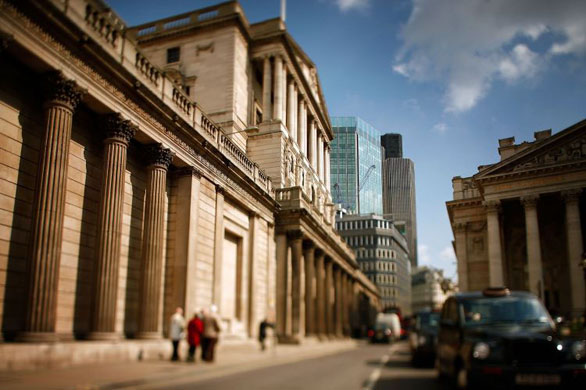
Energy efficiency rating: G
Annual C02 emissions: 11,983 tonnes of carbon
Around 18,000 buildings, including town halls, museums, schools and job centres, are being tested to discover their energy efficiency on a sliding scale where A is the best and G is the worst. The Bank of England, above, isn't so good at saving energy Photograph: Peter Macdiarmid/Getty
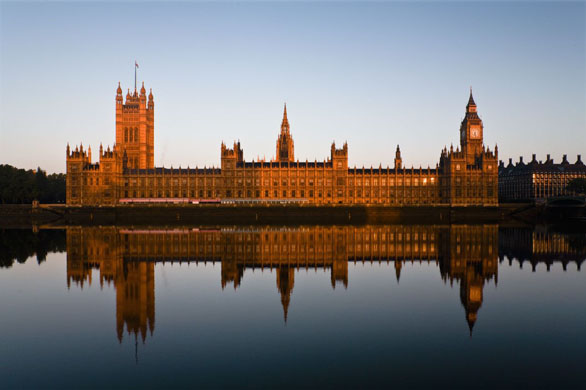
Energy efficiency rating: G
Annual C02 emissions: 11,983 tonnes of carbon
The Bank of England together with the Palace of Westminster consume enough electricity and gas to pump out 21,356 tonnes of CO2 a year, the equivalent of more than 14,000 people flying from London to New York Photograph: Doug Armand/Getty
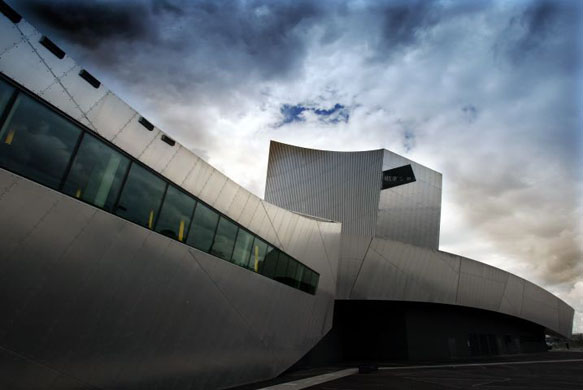
Energy efficiency rating: G
Annual C02 emissions: 1,396 tonnes of carbon
In Salford, the Imperial War Museum North, designed by Daniel Libeskind and opened in 2002, scored a G, the same as the building of its sister museum in London, completed in 1815 Photograph: Don McPhee/Guardian
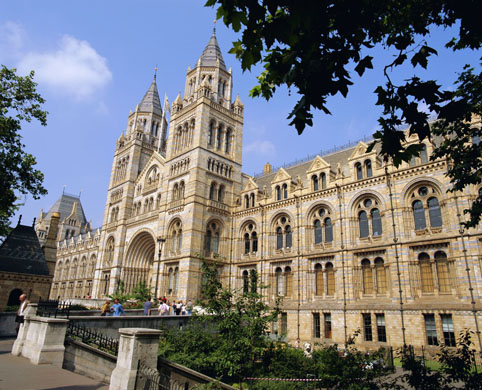
Energy efficiency rating: E
Annual C02 emissions: 10,026 tonnes of carbon
The Natural History Museum spends £1.4m a year on electricity and gas - a figure that is expected to double from this month as a result of rising world energy prices Photograph: Getty
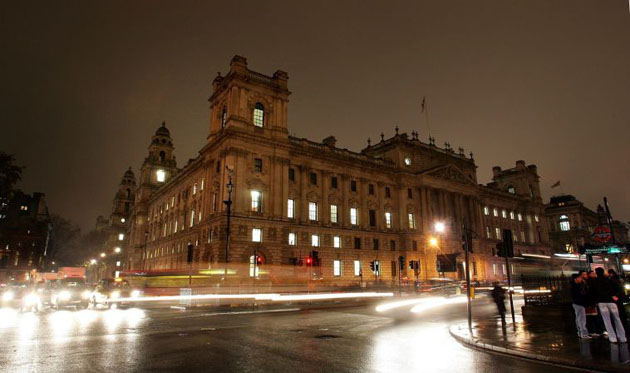
Energy efficiency rating: E
Annual C02 emissions: 4,122 tonnes of carbon
The Treasury's headquarters, despite a complete office refurbishment six years ago that was supposed to "set new environmental standards in Whitehall", is still towards the bottom of the list Photograph: Cate Gillon/Getty
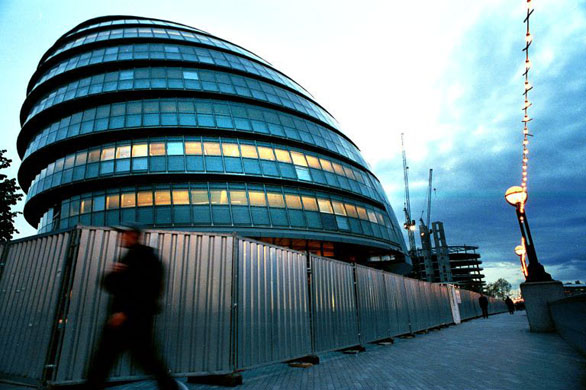
Energy efficiency rating: E
Annual C02 emissions: 2,255 tonnes of carbon
New buildings also fared badly, raising questions about the validity of sustainability claims made by architects and developers. London's City Hall, built in 2002, was described by its architect Foster & Partners as a "virtually non-polluting public building" yet has scored an E Photograph: David Levene/freelance

Energy efficiency rating: E
Annual C02 emissions: 1,322 tonnes of carbon
The government estimates that almost a fifth of all carbon dioxide emissions in the UK are caused by non-residential buildings. The findings are likely to embarrass the government, which has pledged to make all new public buildings zero carbon by 2018. The Department for the Environment's head office recorded an E Photograph: Alisdair Macdonald/Rex Features
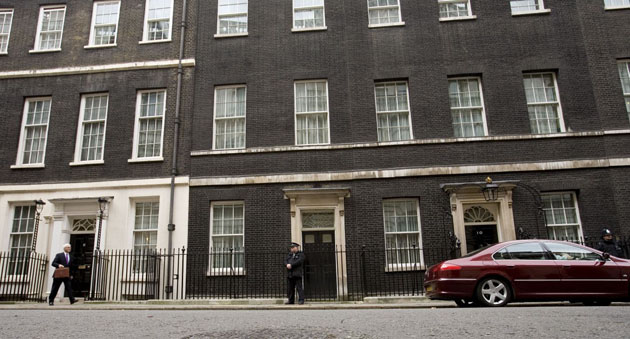
Energy efficiency rating: D
Annual C02 emissions: 675 tonnes of carbon
No 10 Downing Street is better than average for its building type. But the prime minister's heating, lighting and air conditioning still create a bigger carbon footprint than a street of 28 families of four living in semi-detached homes, each driving 10,000 miles a year and flying to Spain on an annual holiday Photograph: Rex Features