The number of new applications for public assistance in April, when the impact of the novel coronavirus outbreak expanded, rose to 9,680 (some local governments responded with preliminary figures) in 20 major cities and 23 wards in Tokyo, up 31% from the same month last year, according to a Yomiuri Shimbun survey.
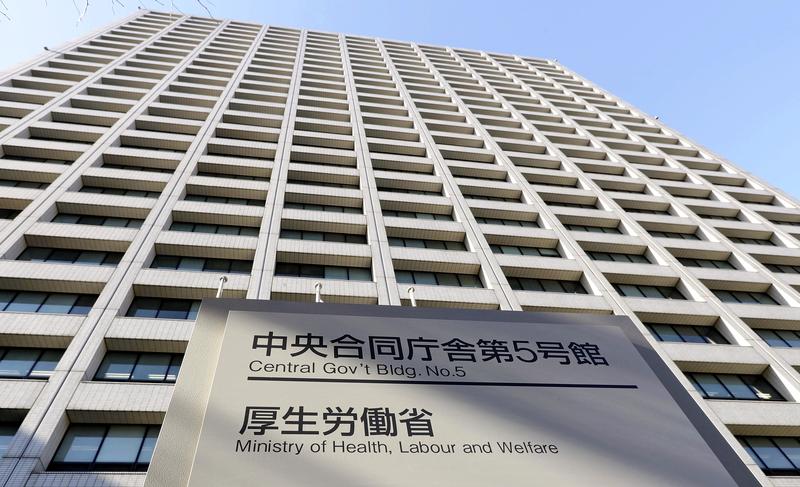
An increasing number of people are believed to have been forced to live in poverty due to reduced incomes stemming from suspensions of work or the voluntary restraint of activities. A Health, Labor and Welfare Ministry official said, "We will ask local governments to respond appropriately and promptly."
The Yomiuri Shimbun surveyed a total of 43 local governments including Tokyo's 23 wards and major cities across the country from May 18-20 on the number of welfare applications and consultations between January and April. In April, there were 7,573 applications in the 20 cities, up 29% compared to the same month in the previous year, and 2,107 applications in Tokyo's 23 wards, up 39% from the same month last year.
The number of applications in April was 166 in Sagamihara, up 60% from the previous year, 930 in Yokohama, up 46%, and 1,618 in Osaka, up 37%. In Tokyo's 23 wards, the number in Chuo Ward more than tripled to 29 from a year earlier, when the figure was nine. The number in Shibuya, Arakawa and Minato wards also doubled.
"There has been no such increase in recent years. Some people are forced into a difficult situation due to self-restraint in social and economic activities," an official of the Osaka City government said. In Tokyo, an official of Chuo Ward, where the Ginza commercial district is located, said, "We have been receiving more inquiries from employees of nightclubs and other businesses."
As for consultations from local residents on public assistance, 43 local governments received a total of 29,519 consultations in April, up 37% from the previous year. In April, the government declared a state of emergency, and many people lost their incomes and jobs as a result of measures taken in various parts of the country, such as refraining from going out or suspensions of businesses.
Although the declaration was fully lifted on May 25, a welfare ministry official said: "It takes time for jobs and income to recover. Some people are having a hard time with their daily food expenses, so we would like to ask them to come to a consultation desk of a administrative body before they are driven into a corner."
Read more from The Japan News at https://japannews.yomiuri.co.jp/