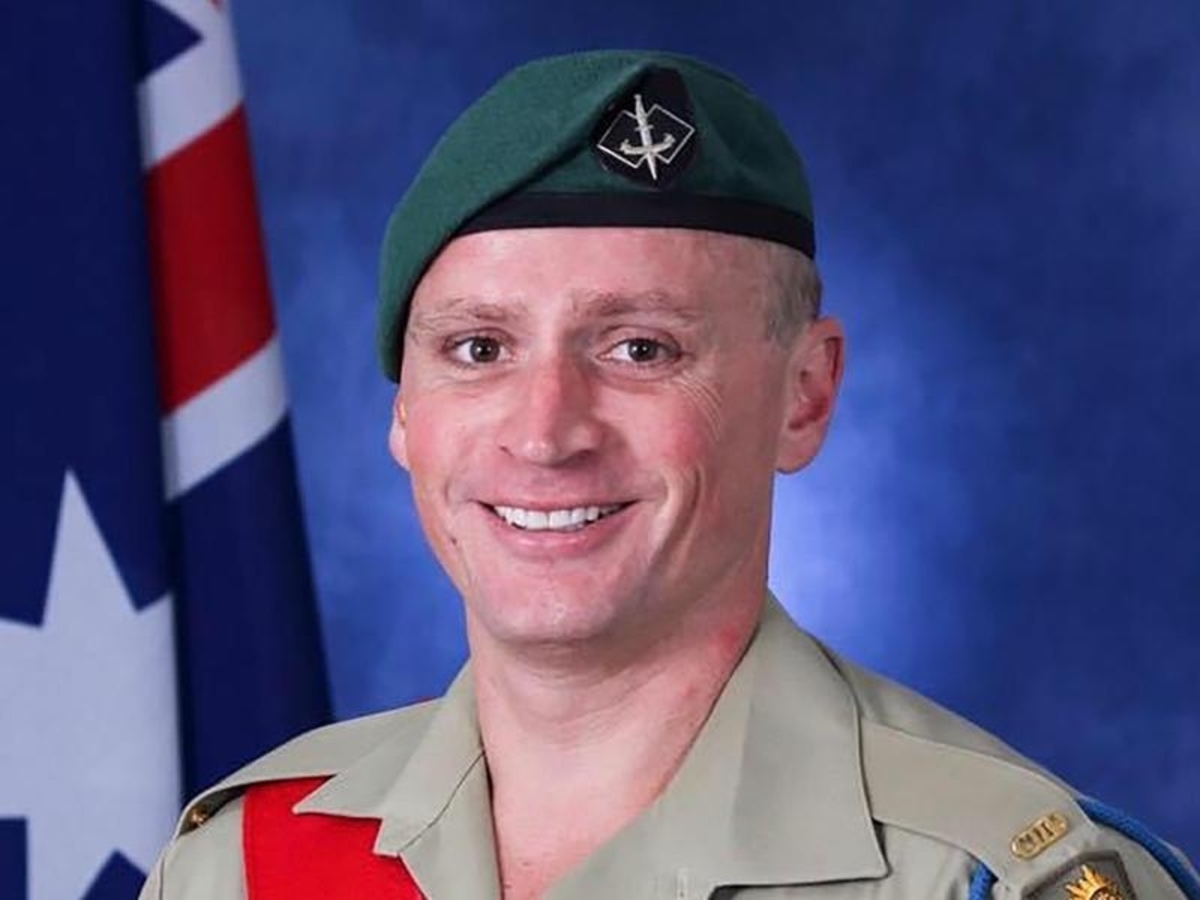
A colonel whose intervention led to a PTSD-addled soldier completing one final traumatic mission to Iraq thought he was in a "healthy frame" but did not "delve deeply" into his claimed recovery from previous mental health and substance abuse struggles.
Sergeant Ian Turner took his own life in his Sydney home in July 2017 in the months following the deployment, which he was originally deemed medically unfit to undertake.
The commando had completed seven tours in East Timor, Afghanistan and Iraq, including two after he was diagnosed with mental health problems.
The Sydney inquest into his death has previously heard that final deployment to Iraq was only made possible after his company commander intervened to have a refusal of medical clearance reconsidered.
From the get go, there was opposition to Sgt Turner embarking on the deployment, the company commander - who cannot be named - confirmed while giving evidence on Wednesday.
The most senior soldier in the company and his "principal adviser" had suggested Sgt Turner be left off the deployment.
The lieutenant colonel said he took his advice "almost 95 per cent of the time" but elected not to on this occasion and sought the required medical clearance for Sgt Turner to travel to Iraq.
When it was rejected, the inquest has previously heard the lieutenant colonel was "intensely keen the situation be fixed" and that he was "adamant that (Sgt) Turner had to deploy".
But on Wednesday the company commander said he had simply sought additional context to be provided and the decision reconsidered.
"The tone of that paragraph is very aggressive and indicates I was more invested in his deployment than I actually was," he said.
"I did think it was the wrong decision, but I thought that decision was made because I don't believe they had the appropriate context."
Sgt Turner's mental health was getting "better and better", his self-worth was tied to his ability to deploy and the tour would give him six months away from alcohol and his deteriorating relationships at home, he argued.
"The company deploying without him would be detrimental to his mental health, not advantageous," he said.
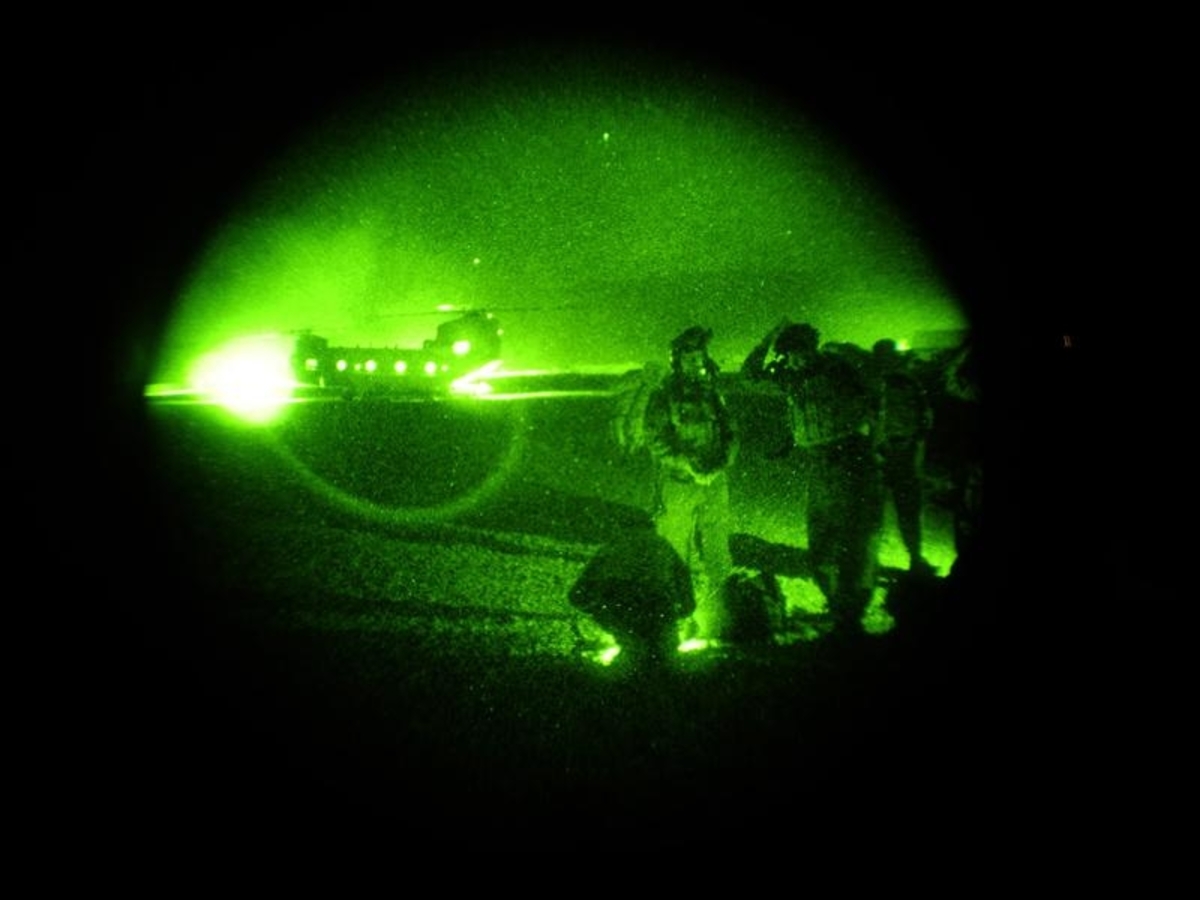
"I saw this as an opportunity for him ... (to) effectively reset."
The lieutenant colonel agreed any conflict deployment was "inherently potentially traumatic" and any trauma could reinvigorate or cause a remission of Sgt Turner's PTSD.
Still, he deemed it in Sgt Turner's "best interest" he be deployed. It's a view he maintains even now, he said.
Sgt Turner was "one of these guys that will say the right thing to the right people to get back at work", the lieutenant colonel agreed, and had likely sought to paint him a "rosy picture" of his mental health and substance abuse.
"Why then did you play so much reliance ... upon what he said to you, in particular, (his) indication that he was coping well, and was fit to deploy?" counsel assisting the coroner Kristina Stern asked.
But the colonel denied the commando had "gamed" him.
"I believed that Ian was in a healthy frame," he said.
"There was no reason for me to delve deeply into his personal life, including his alcohol use, and that stands, even with hindsight.
"I don't believe that I would have been able to gain a better understanding of Ian, and his struggles, than the understanding I had."
The coronial probe, overseen by Deputy State Coroner Harriet Grahame, will consider whether the defence force appropriately managed Sgt Turner's welfare before his death.
The inquest comes as a royal commission into veteran suicides is set to begin, to investigate why the rates of suicide for ex-services personnel are much higher than in the broader Australian population.
Lifeline 13 11 14
Open Arms 1800 011 046