A unique collaboration between psychologists and robotics engineers has uncovered a novel method to improve the way robots walk.
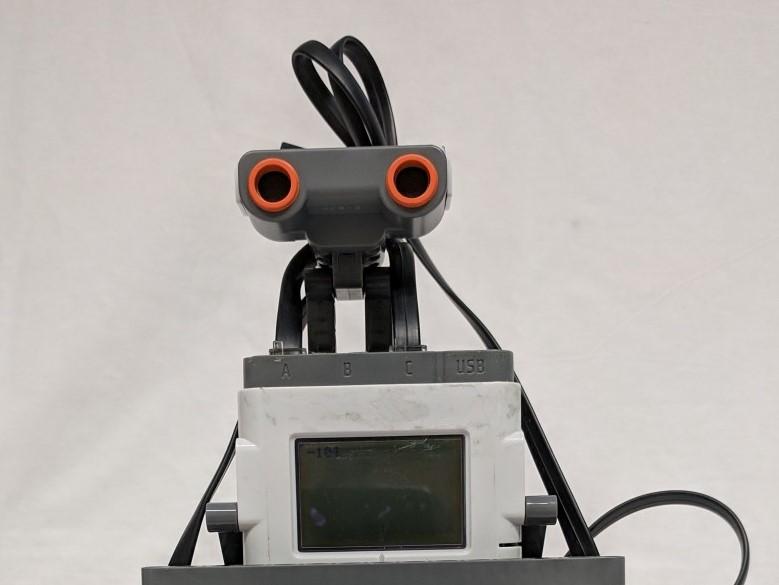
Researchers at the University of Manchester analysed what would happen if a psychological theory was was encoded into a robot made out of Lego.
The team replaced the standard self-balancing algorithm with one based on 'perceptual control theory', allowing it move in a much more controlled way.
“Although this is early work, it is tantalising to see how a scientific theory used to help people with mental health problems might actually help engineers to improve their designs of artificially intelligent devices," said Dr Warren Mansell, reader in clinical psychology at the University of Manchester.
"Robots are yet to match the abilities of those in science fiction hits like Star Wars and Blade Runner and none have mastered walking on two feet. But the use of the theory could really enable the transformation of robots into more lifelike machines."
A study detailing the system, published in the Journal of Intelligent and Robotics Systems, explained how the robot was able to deal with new environments and move in a "lifelike manner" by assessing its surroundings at least 100 times every second.
Being able to walk like a human is seen as an important trait for robots built to function in the real-world, as infrastructure is mostly designed to accommodate bi-pedal humans.
Although the robot in the study used wheels instead of legs, the "inverted pendulum" that it requires to move uses similar balancing techniques to those used by humans when they walk.
"This research is a peek at a radical new way of understanding how to build robotics systems that are dynamic and adaptive despite the chaotic, unpredictable nature of the real world," said computer technologist Dr Rupert Young.
"Based upon an elegant and natural approach, this paradigm holds the promise of developing far more sophisticated, autonomous robots."