MEXICO CITY (Reuters) - In a simple, illustrated note, 10-year-old Maximiliano said goodbye to his friend and neighbor Julian, killed when their five-story housing complex collapsed after Mexico's deadliest earthquake in a generation.
"Julian, brother. I love you a lot. I won't forget you," read Maximiliano's handwritten letter, adorned with images of the two of them, and their collapsed apartment block. "We'll see each other in heaven."
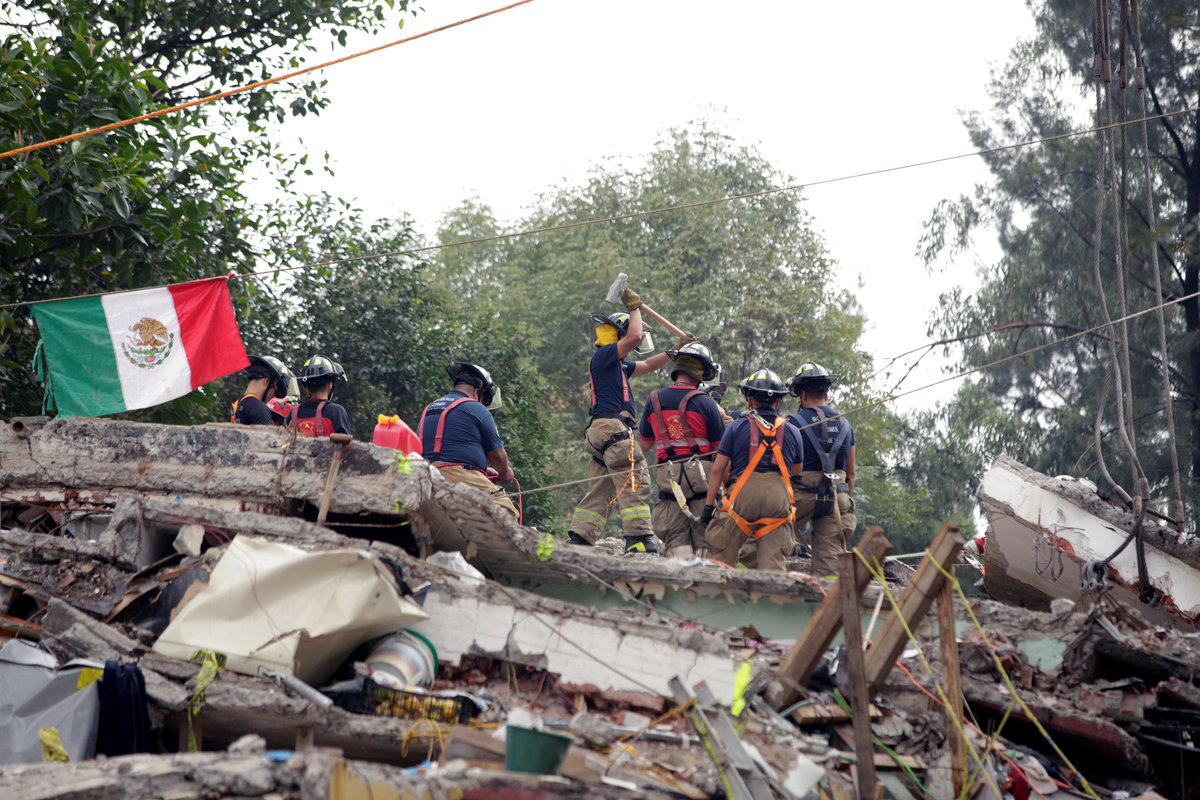
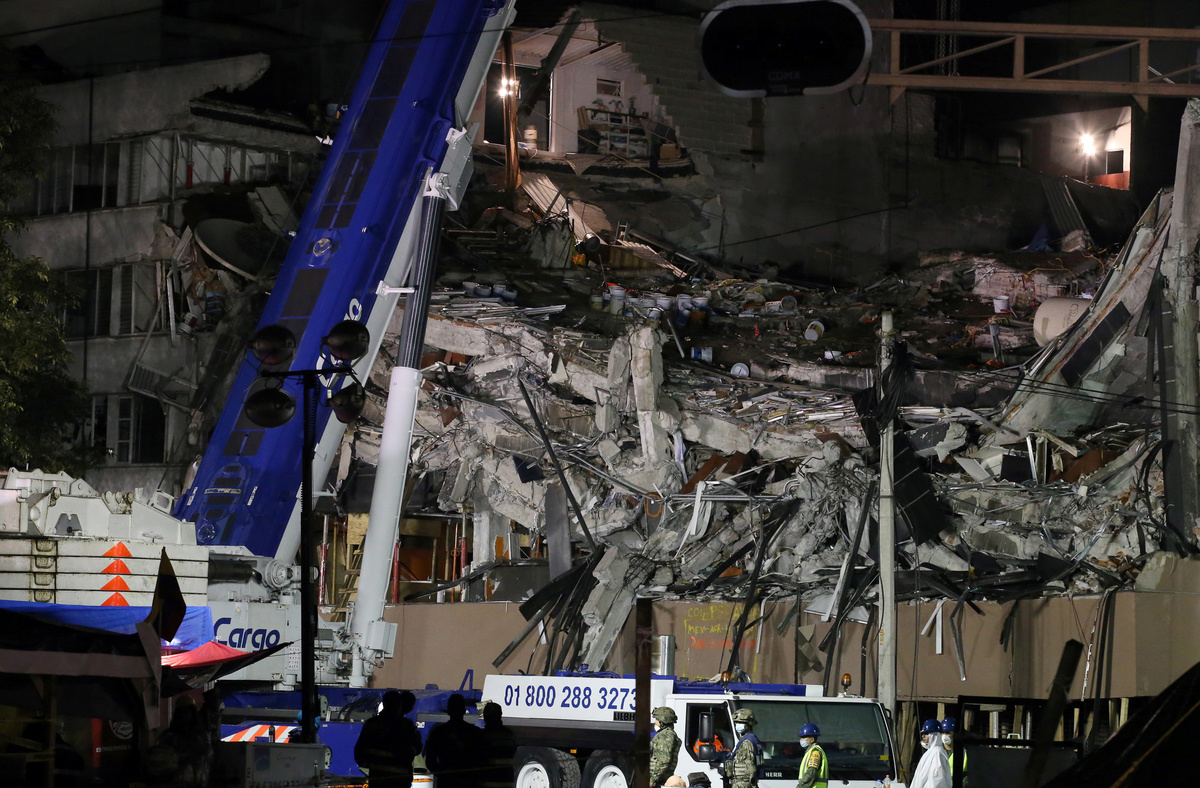
Last Tuesday's 7.1 magnitude quake killed at least 326 people across Mexico and leveled dozens of buildings including a school in the capital, delivering a mass psychological blow that specialists say will take time to overcome.
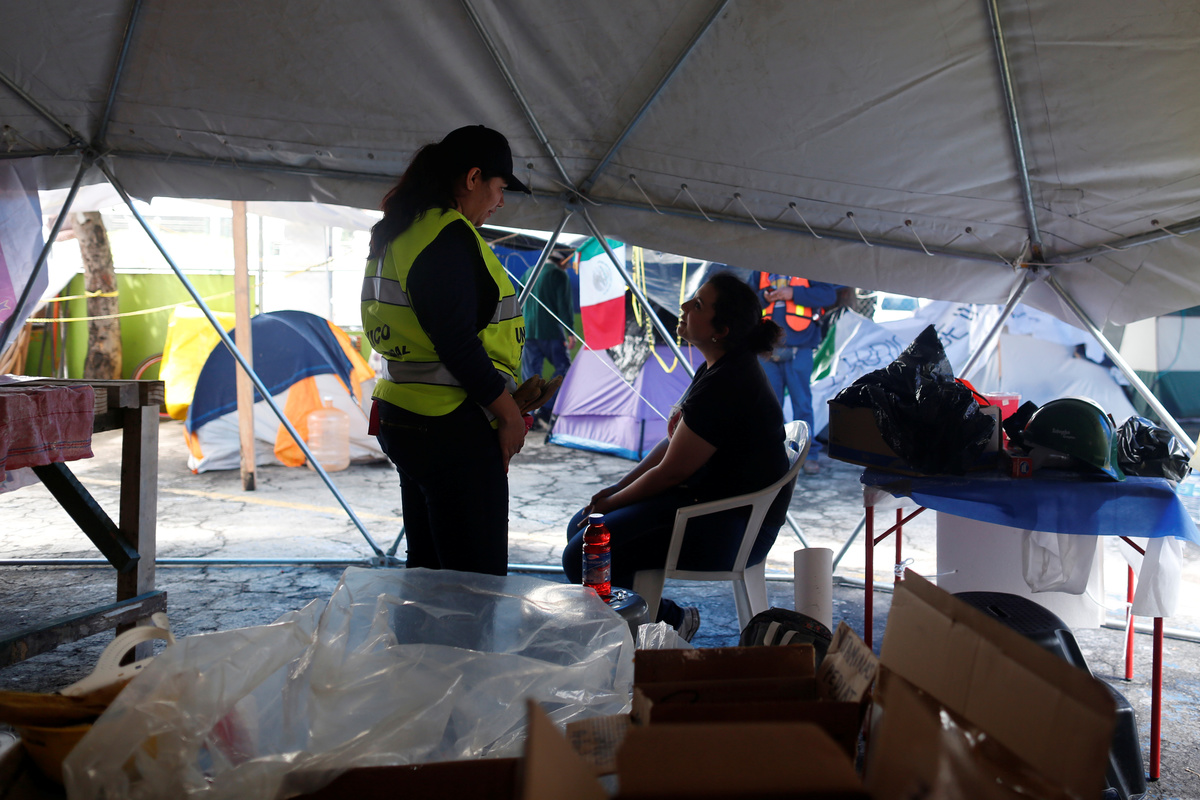
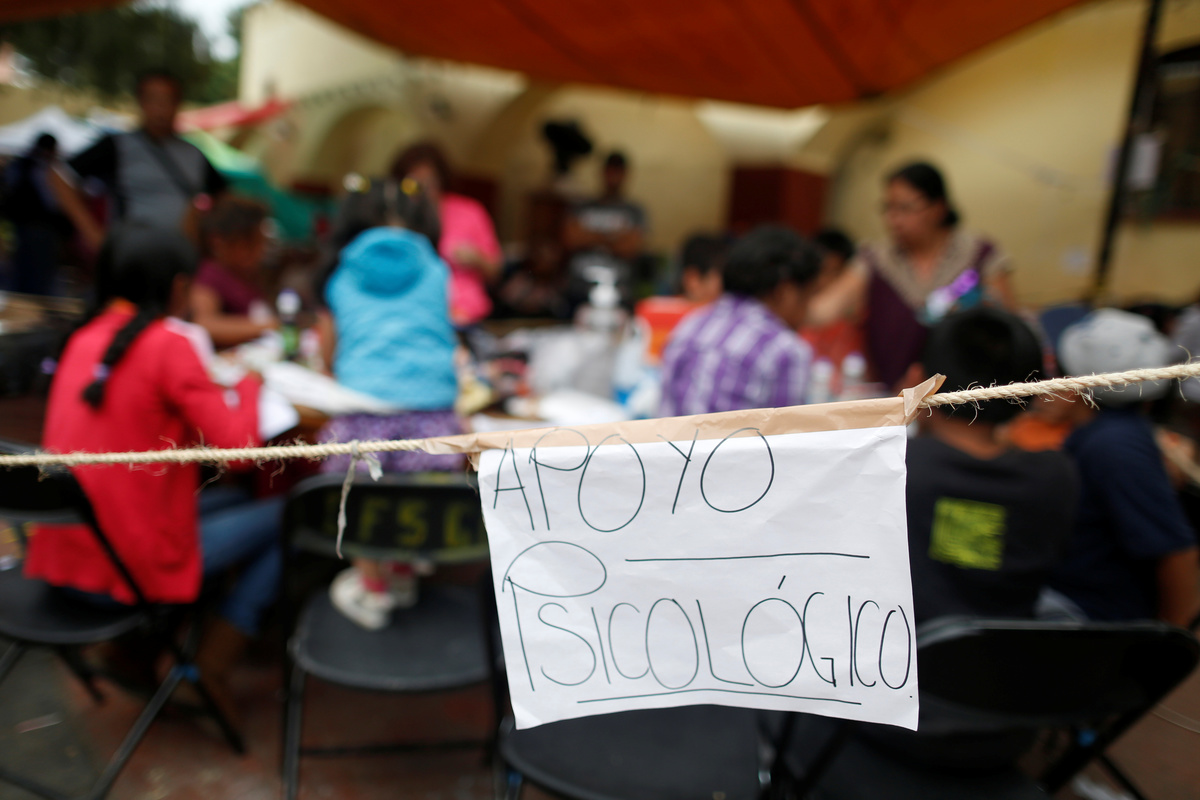
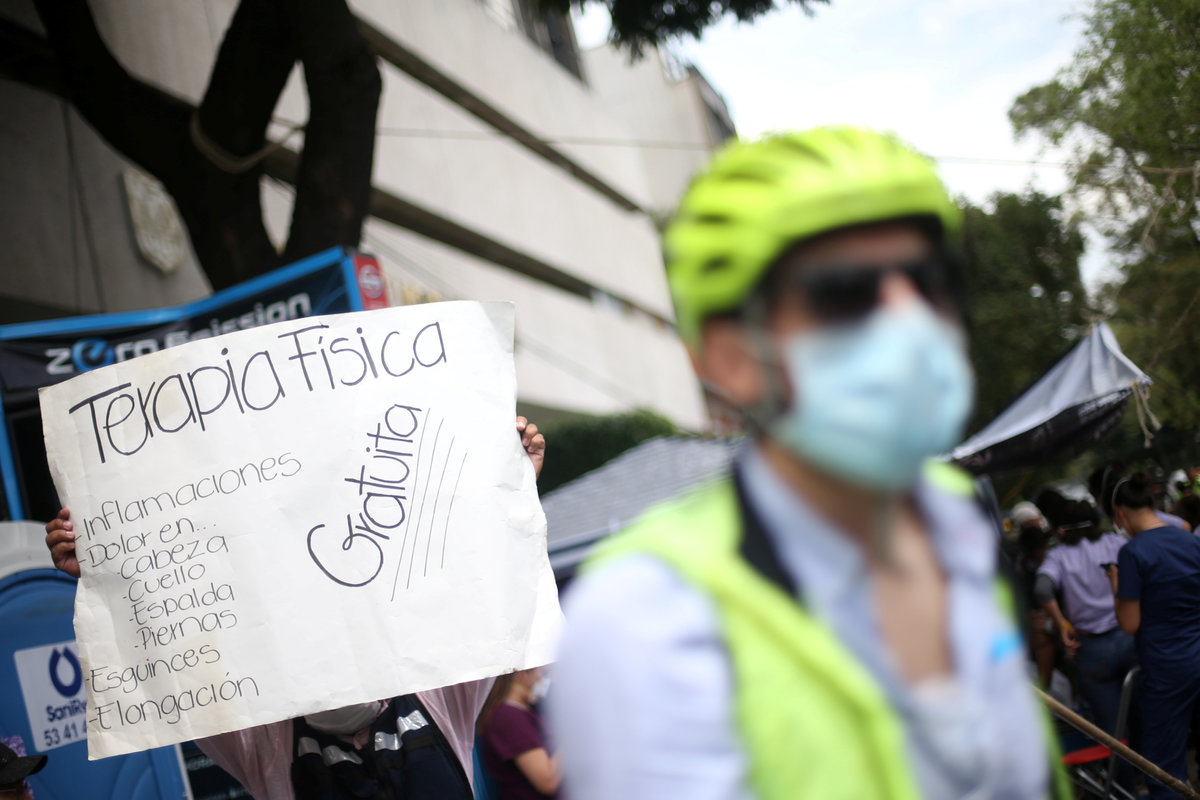
In some of Mexico City's hardest-hit neighborhoods, psychologists and therapists have set up tents to offer a sympathetic ear to those traumatized after watching their friends and family perish under the rubble.
Julian Astudillo, 11, and his 6-year-old sister Jimena Lora were feeling unwell on Tuesday morning, according to their mother, Nayeli Flores, and she gave them the day off school. But eventually, Flores said she had to leave them and go to work. Shortly after 1 pm, disaster struck.
Rescuers found the bodies of Julian and Jimena buried under the debris of their former home in the Tlalpan neighborhood.
Struggling with the loss of Julian, Maximiliano had spoken with psychologists, and wrote to his close friend to try and cope with the grief.
"My two (youngest) kids were close friends with the small angels that were killed, my kids have been really affected," said Maximiliano's father, Israel Carranza, who has been sleeping under a tarp next to the destroyed building.
Enriqueta Ortuno, a 57-year-old psychotherapist who has been working with victims of the earthquake in the Xochimilco district, said she and her colleagues had brought drawing materials to coax a response from kids rendered mute.
"The children are in crisis and don't want to talk," said Enriqueta Ortuno, who has worked with children as young as 2. "Some kids didn't even remember their own names."
Nearly a week after the quake many children still had no school to go to, as only 103 schools in Mexico City, or roughly 1 percent of its schools, were set to resume classes after they were certified as structurally safe.
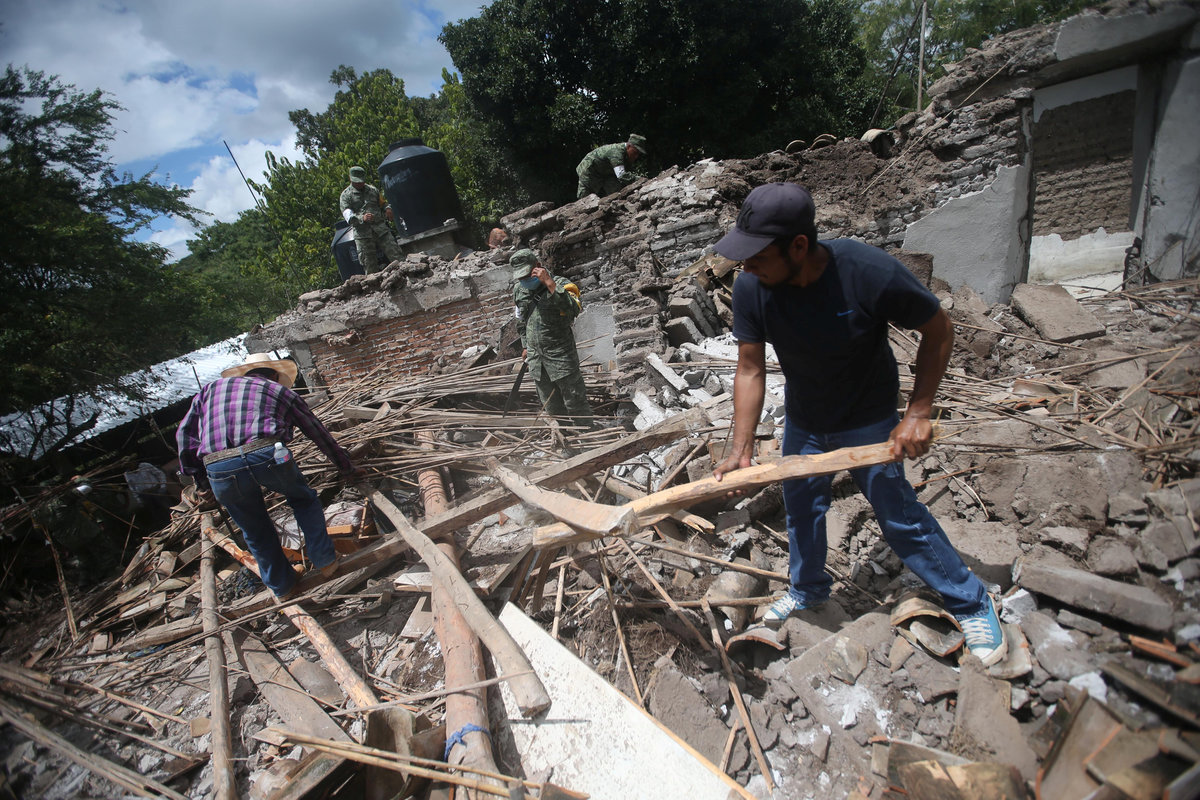
In hard-hit Morelos state, which was close to the quake's epicenter, 34-year-old Veronica Dircio said her children were in desperate need of emotional support after they lost their house.
"We need psychological help for the kids. My son since that day pees himself, he stutters and has a broken arm," said Dircio.
Mexico's national employees health service set up five tents in Mexico City and surrounding states, and by Sunday had attended nearly 1,200 people.
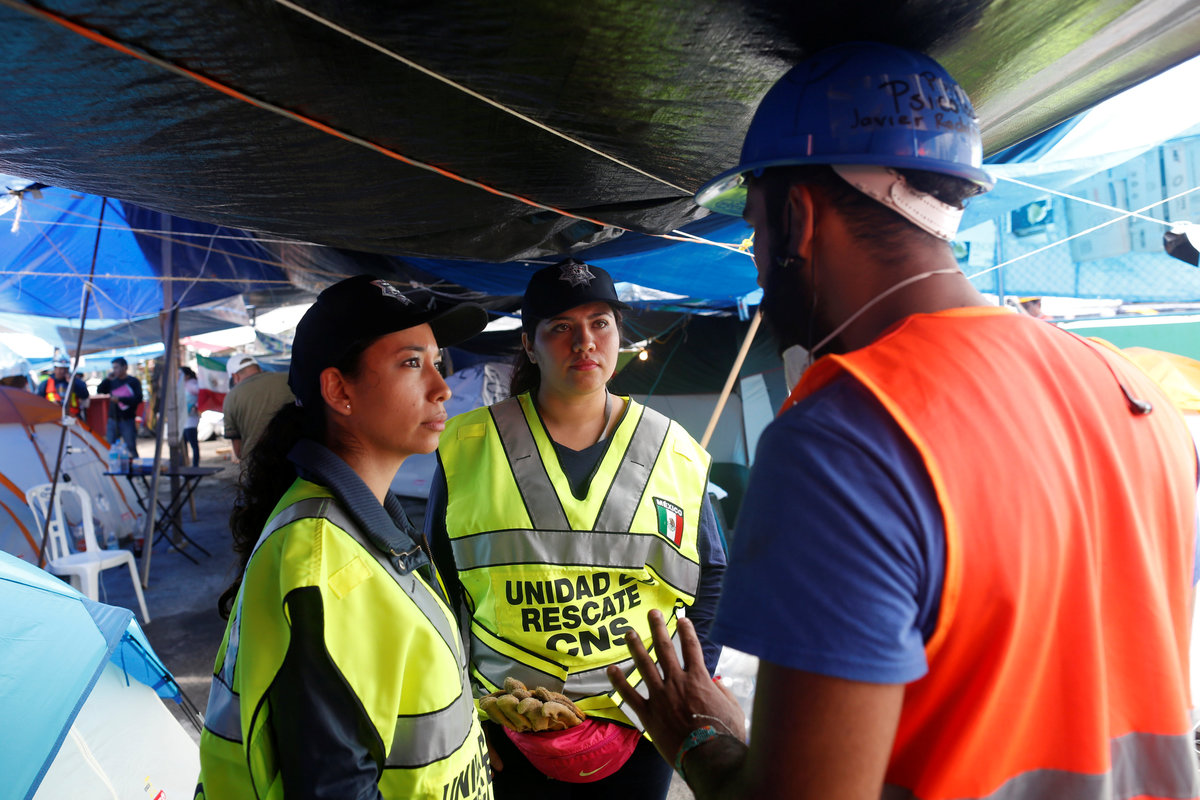
On Monday, lines of people formed to seek help.
"People kept coming, one after another ... a lot of sad stories and broken hearts. People that were left with nothing and by just holding their hand they were grateful," said psychotherapist Alejandra Alcocer.
(Additional reporting by Lizbeth Diaz; Editing by Gabriel Stargardter)