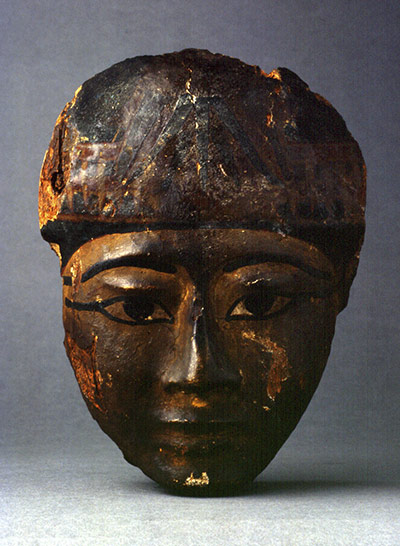
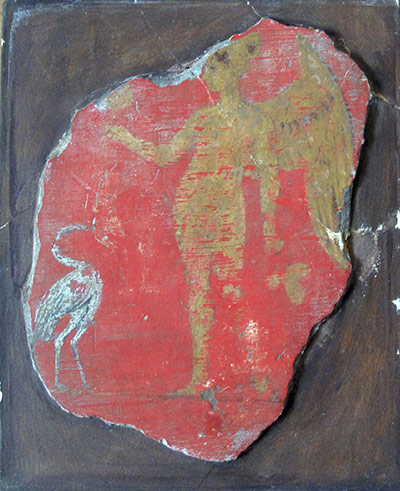
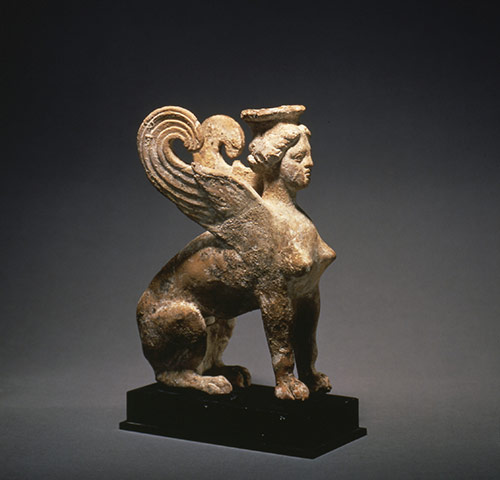
This mask is from the lid of a human-shaped Egyptian coffin (1292-1190 BC) and was part of psychoanalyst Sigmund Freud's collection of antiquities. The piece alludes to Freud's theory of the death drive – the instinct opposed to the libido that he described as a compulsion to self-destructionPhotograph: Freud MuseumThis fragment of a Roman wall painting (circa AD 1) may allude to the classical myth of Leda and the Swan. Taking the form of a swan, Zeus, the King of the Gods, seduced or raped Leda on the same night she slept with her husband, King Tynareus. Metamorphosis, disguise, eroticism and seduction are prominent motifs of unconscious fantasiesPhotograph: Freud MuseumSphinx (Greece, 4 BC). A mythological creature with the body of a lioness and the head of a woman, the Sphinx is linked to the myth of Oedipus, which became the basis for Freud's theory of the Oedipus complex. When Oedipus correctly answers her riddle, he sets in motion his coronation as King of Thebes and his unwitting marriage to his mother Photograph: Freud Museum
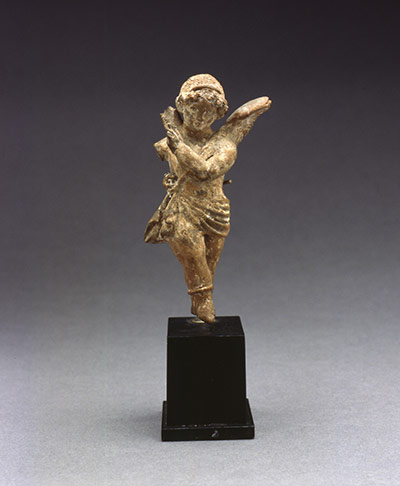
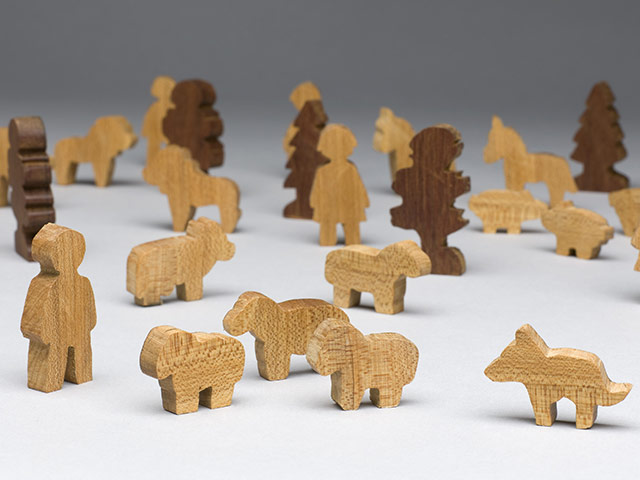
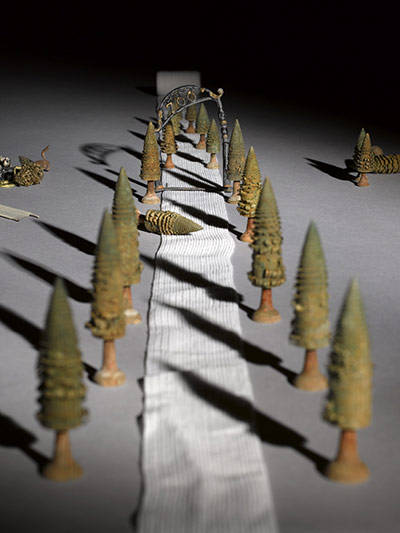
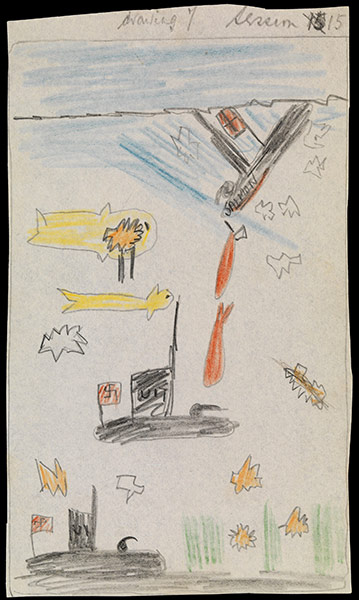
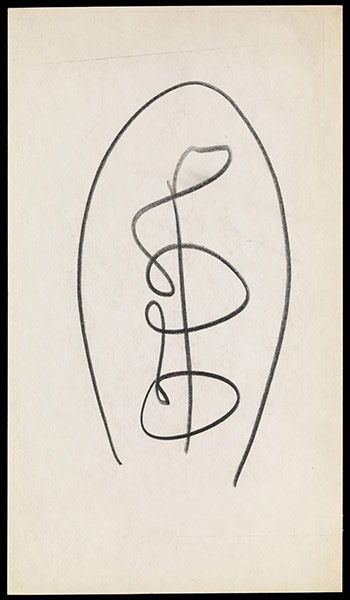
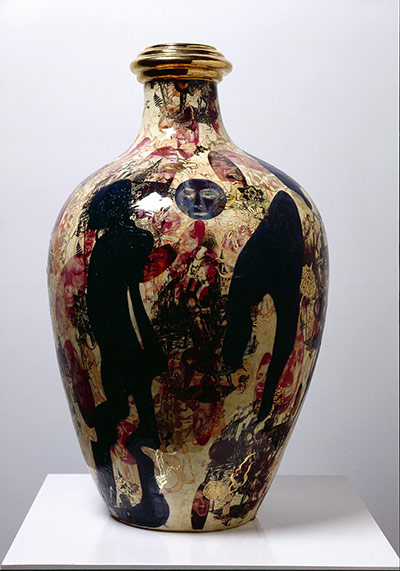
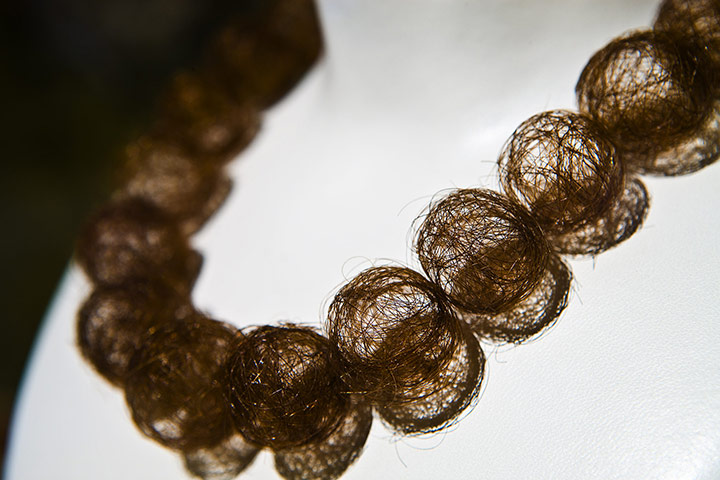
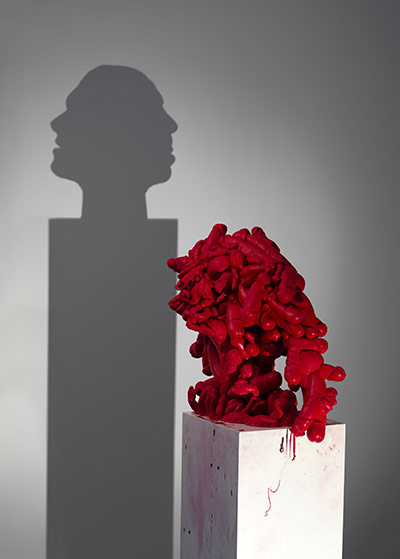
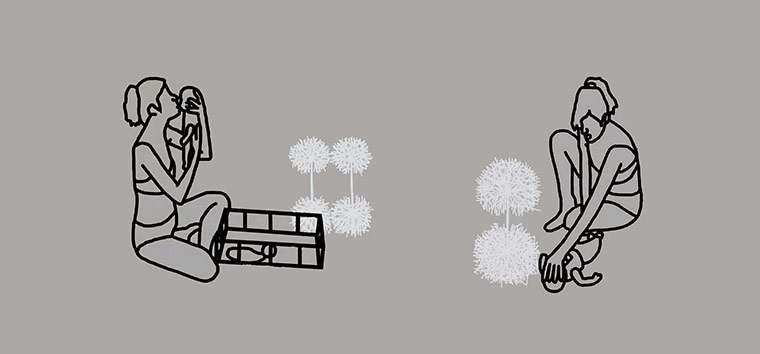
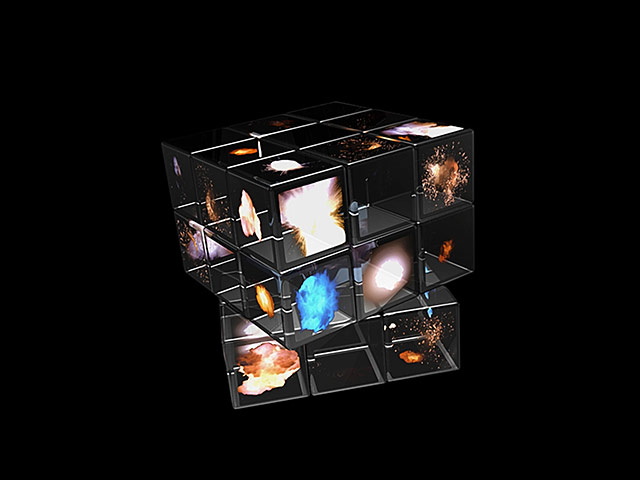
Statuette of Eros (Greece, 300-250 BC). For Freud, Eros represents the life instinct of libido. His identification of the link between love and sex in sexual fantasies caused controversy Photograph: Freud MuseumArnold Dreyblatt, The Wunderblock (2000). Freud compared the working of memory to the Wunderblock – a child's toy that consists of a wax writing pad layered with cellophane. Lifting up the cellophane layers erases the writing from the pad. Freud likened memories to the traces left behind. In Dreyblatt's installation, fragments from Freud's writing emerge and disappear, alluding to the process of memory Photograph: Courtesy of the artist, BerlinClaudia Guderian, The Consulting Room (2007). Usually uncluttered or sparsely decorated, the consulting room centres around the relationship between the chair and the couch, which embody the dialogue between the analyst and the analysed. Within this space the patient can project their inner worldPhotograph: Claudia Guderian/Courtesy of Dr Guderian, HamburgToys (1980). The psychoanalyst Melanie Klein (1882-1960), a pioneer of child analysis, recognised the importance of spontaneous play in children as a form of free association – where patients relate anything that comes into their mind. She invented what became known as the play technique, in which children are given access to simple toys, crayons and paper pads during the analytic session. The resulting pictures or play scenarios offer clues to the analyst about the child's underlying anxietiesPhotograph: Jennie Hills/Courtesy of Betty Joseph, LondonToys from the collection of Margaret Lowenfeld (1890–1973). The psychotherapist developed an analytical tool to enable children to convey the sensory vividness of thoughts, feelings and memories. She used small toys to help the child conjure internal mental pictures. Current brain research has confirmed the relevance of visual and auditory stimuli in the formation of memories, particularly of traumatic memories characterised by strong visual featuresPhotograph: Santiago Arribas Peña/Emma Guillory/The world pictures for children, Science Museum, 2009Drawings by 'Richard' (1941-1942). According to psychotherapist Melanie Klein, Richard’s psychopathology centred on anxieties related to the Oedipus complex. During analysis, the boy produced a series of drawings that used images of war to express his own internal conflicts. In her case history, Klein notes that Richard 'did not start out with any deliberate plan and was often surprised to see the finished picture'. A full account of the case appears in Klein’s Narrative of a Child Analysis (1961)Photograph: Wellcome Images/The Wellcome TrustDonald Winnicott, squiggle drawing (1950-1971). The psychoanalyst Donald Winnicott invented the use of squiggle drawings as a way of interacting with his young patients. The squiggle consists of winding lines drawn alternately by the child and the analyst. Highly suggestive and visually intriguing, according to Winnicott the undetermined form of the squiggle enabled the child to express their internal concernsPhotograph: Wellcome Images/The Winnicott Trust/The Wellcome LibraryGrayson Perry, In Praise of Shadows (2005). This pot is inspired by Hans Christian Andersen’s fairytale The Shadow, a sinister story of a man whose shadow first leaves him and then returns to haunt him. Psychoanalytically, the shadow in the story represents an alter ego or a disowned part of the self. Perry evokes the dark and hallucinatory narrative and with it the ghostly images of the mind. The effect is heightened through the glittering effects of light on the pearl glazingPhotograph: Collection of Victoria and Warren Miro, LondonMona Hatoum, Hair Necklace (1995). Hatoum’s work evokes motifs related to the body, nostalgia and memory. In the 19th century hair was sometimes used in pendants, lockets and chains. The intimate associations of these objects are translated in Hatoum’s contemporary version in which the material – both delicate and binding – denotes attachment and loss, pointing to the unsettling boundaries of fetishism and anxietyPhotograph: Mona Hatoum/White Cube galleryTim Noble and Sue Webster, Bloody Haemorrhaging Narcissus (2009). The work stems from a residency of the artists at the Freud Museum in London and revisits self-portraiture in the light of the Narcissus complex. The silhouette shadows of the profiles of the artists intercept a red silicon sculpture composed of interlacing casts of Noble’s penis and Webster’s hand: the shadow of the self born out of wounded libidoPhotograph: Mike Bruce/Gate StudiosKristian De La Riva, Do We Understand Our Actions? (2010). This animation, which includes audio by psychoanalyst Mary Target of the Anna Freud Centre, relates to the links between neuroscience and psychoanalysis. Research in cognitive neuroscience highlights the importance of non-conscious thought processes, opening new areas of investigation that bridge neuroscience and psychoanalysis. Both disciplines map the complex interconnection of unconscious and conscious processes through which the brain produces its mental worldPhotograph: Courtesy of the artist, LondonSonny Sanjay Vadgama, Matter (2010). In this holographic video animation, a familiar-looking Rubik’s-like cube undergoes various transformations that lead the viewer to question its nature. The form becomes warped and transparent, revealing a series of distorted images that recall Hollywood special effects and video games and evoke the uncanny by querying the relationship between reality and simulation. The piece was made with the assistance of CGI company Jellyfish PicturesPhotograph: Jellyfish Pictures Ltd Courtesy of the artist, London
Sign up to read this article
Read news from 100’s of titles, curated specifically for you.