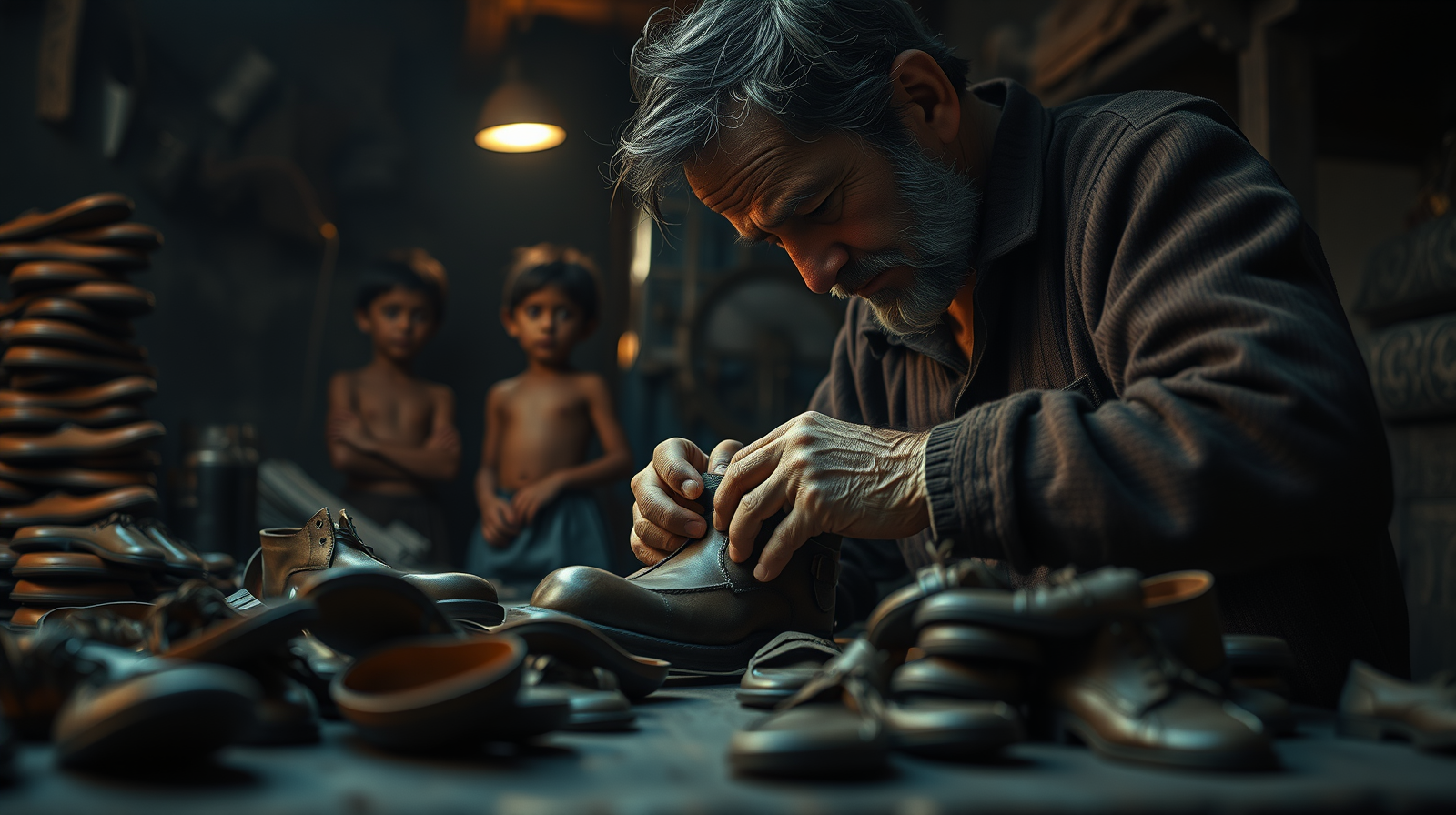
There is an old proverb that has survived centuries because it captures something quietly uncomfortable about human nature: the cobbler, so consumed by making shoes for others, never quite gets around to making a pair for his own children. The irony is not laziness. It is not hypocrisy. It is the way expertise, when it becomes labour, stops feeling like a resource and starts feeling like a job.
Get breaking news anytime, anywhere. Download the TOI app now!
The therapist who does not go to therapy
Mental health professionals are among the most likely to recognise this phenomenon in themselves. A therapist who spends eight hours a day holding space for other people's grief, anxiety and relational wounds often has very little emotional bandwidth left over for their own. They know, better than most, the value of talking to someone.
They have the vocabulary, the framework and the referral contacts. And yet studies consistently show that therapists are among the most reluctant to seek help themselves, citing stigma within the profession, concerns about confidentiality and the quiet, accumulated exhaustion of always being the one who listens.
The chef who eats instant noodles
The kitchen tells a similar story. Professional chefs who spend their working hours constructing elaborate, carefully considered food often want nothing more than something simple and instant when they get home.
Cooking, for them, is not pleasure in the evenings. It is what they have been doing since six in the morning. The craft that delights a dinner table becomes, after enough repetition, a source of fatigue rather than joy. The result is a professional relationship with food that looks, from the outside, like indifference and is, from the inside, closer to exhaustion.
The journalist who ignores the news
Journalists present perhaps the most recognisable version of this pattern. People who spend their days tracking, verifying and contextualising information often develop a sharp instinct for switching off.
After a day spent inside breaking news with the urgency, the noise, the pressure of getting it right, the last thing many reporters want is to keep consuming it. The news, for them, is not a window onto the world. By evening, it is closer to a wall they have been staring at all day.
What the proverb is really saying
The cobbler's children go unshod not because their father does not care, but because care, when it is also work, is finite. Expertise is not the same as energy. Knowing what to do and having the capacity to do it for yourself, after doing it for others all day, are two entirely different things. The proverb does not judge the cobbler. It simply observes him.
In every profession built on service—medicine, law, teaching, counselling—the same quiet irony repeats itself. The expert is often the last beneficiary of their own knowledge. The shoes are made. They just rarely fit anyone in the house.