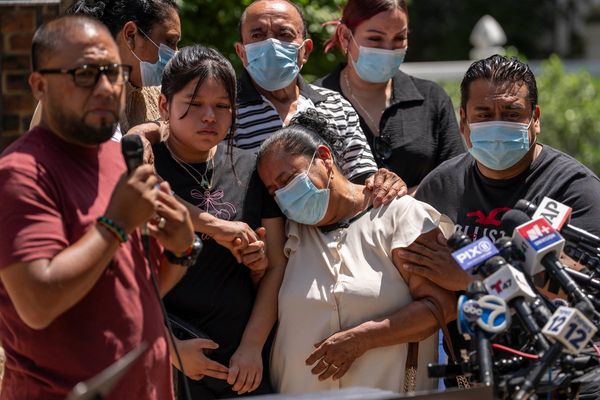
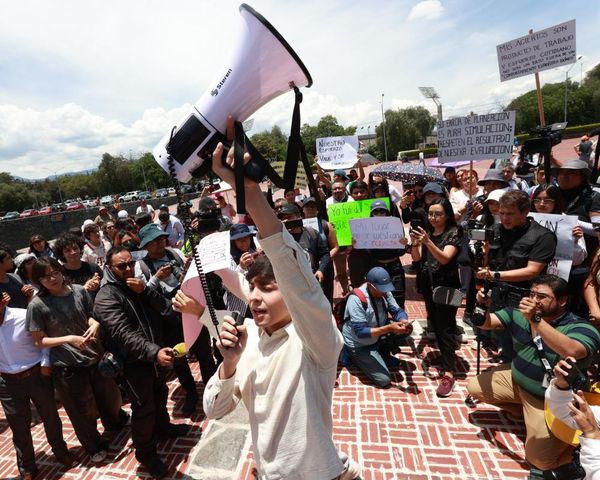
Protests and candlelight vigils have spread across Tripura after a 24-year-old man from the northeast Indian state died from injuries sustained in a violent attack, intensifying a national debate over racism, policing, and student safety.
Anjel Chakma, a final-year management student at a private university in Uttarakhand’s capital of Dehradun in northern India, was assaulted on 9 December and died in hospital on 26 December after 17 days of treatment.
Demonstrations have been held in Agartala and other parts of Tripura, with students and community groups demanding swift justice and stronger protections for people from India’s northeast.
The Tripura government announced a one-time compensation of Rs500,000 (£4,700) for Chakma’s family. The chief minister, Manik Saha, said he had spoken twice with his Uttarakhand counterpart, Pushkar Singh Dhami, and had been assured that those responsible would face strict action.
“Spoke with Hon'ble Chief Minister Uttarakhand Shri Pushkar Singh Dhami Ji this evening regarding the case of late Anjel Chakma. He has reassured that all those involved in the incident will be brought to justice and that the law will take its due course. In this hour of grief, we stand firmly with the bereaved family,” Mr Saha wrote on X.
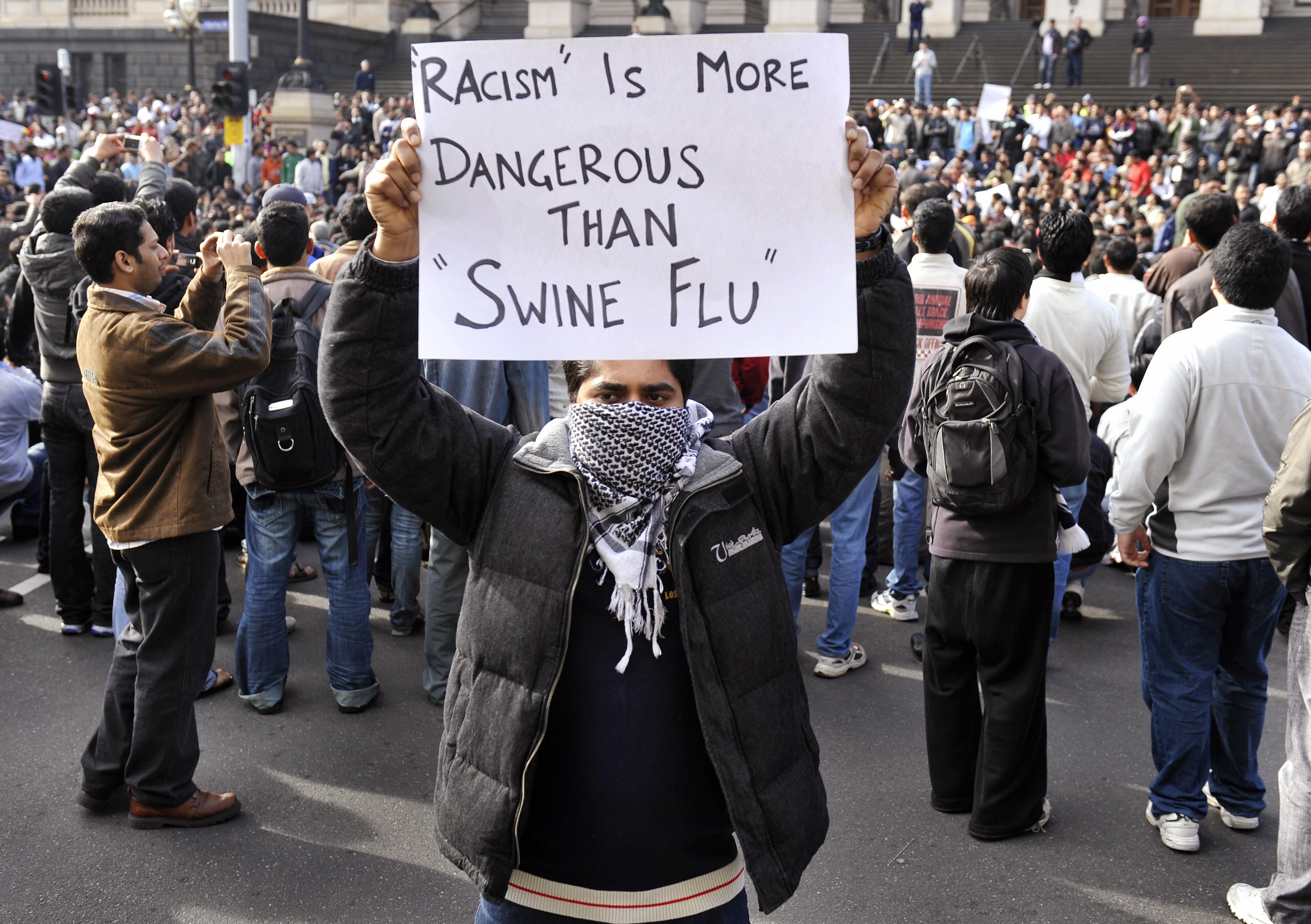
Mr Saha, who also holds Tripura’s home affairs portfolio, said the state had decided to provide financial assistance to the family, while Uttarakhand has offered nearly Rs400,000 (£3,309). A delegation from the Tripura Chakma Students’ Association and the Society for Welfare of Mog Students met Mr Saha to press for a government job for a family member, early justice, and further compensation from Uttarakhand.
According to the police complaint filed by Chakma’s brother, Michel, the two were at a local market in Dehradun on the evening of 9 December when a group of intoxicated men allegedly used caste-based and racial slurs.
“When my brother objected to their caste-based slurs, the accused persons attacked him with a knife and a rod,” the first information report (FIR), registered on 12 December, stated. Chakma was stabbed in the neck and abdomen, while Michel was struck on the head.
Police say five people have been arrested, including two minors, who have been sent to a juvenile reform home.
One accused, identified as a Nepali national, remains absconding and is believed to have crossed the border; a non-bailable warrant has been issued and a police team sent to Nepal. Investigators have recovered a knife believed to be the murder weapon, though officers say it is still unclear who delivered the fatal blows.
Senior police officials in Uttarakhand have rejected claims that the killing was racially motivated.
Ajay Singh, Dehradun’s senior superintendent of police, told NDTV that derogatory remarks were exchanged “in jest” among a group sitting together and were not directed at Chakma.
“It doesn't fall into the category of a racist comment because a young man involved in the incident is also a resident of the same state,” Mr Singh said. He added that “some derogatory remarks were being exchanged among themselves… and somehow the impression was created that the comments were being directed at them. It was in this confusion that the clash occurred.”
The police have also denied allegations of delay, saying the complaint was filed 24 hours after the incident, though student organisations argue that the three-day gap before the FIR allowed a key suspect to flee. Drishyamuni Chakma, president of the All India Chakma Students’ Union, said the initial handling of the case “diluted the gravity of the offence” and pointed to “serious shortcomings” in the investigation.
The police version has been strongly contested by student groups from the northeast, a region comprising eight states whose people have long reported racial abuse in other parts of India.
The brutal killing of Aniel Chakwa in Uttarakhand is not just a tragedy—it is a national disgrace. A young man from Tripura, a proud Indian, was racially abused, dehumanized with slurs like “Chinese” and “momo,” and ultimately murdered. This was not an isolated act of violence;… pic.twitter.com/WHmA0m7Q0L
— Shashi Tharoor (@ShashiTharoor) December 29, 2025
In Agartala, hundreds joined a candle march demanding an impartial inquiry and accountability, while also protesting discrimination against northeastern communities. The Tipra Indigenous Students Federation and the Youth Tipra Federation said the killing reflected a wider pattern of hostility faced by people from the region.
“Because of racism, he had to die,” said Suraj Debbarma, president of the Youth Tipra Federation. “People call us Chinese, momo, chinky. Today one brother has died; next time, someone else from another North East state could be the victim.”
The Tripura Chakma Students’ Association has also sought the intervention of India’s central government, citing what it described as persistent attacks on students and young people from the northeast across the country.
The Twipra Students Federation, part of the North East Students Organisation, warned that repeated failures to act had “normalised hatred” and demanded that the case be investigated under provisions relating to murder, hate crime and racial discrimination.
Political leaders from across parties have condemned the killing. The federal minister for development of the north eastern region, Jyotiraditya Scindia, called it a “profound blow to humanity and sensitivity”. Opposition Congress MP Shashi Tharoor described Chakma’s death as a “national disgrace”, saying a young Indian had been “racially abused, dehumanised with slurs like ‘Chinese’ and ‘momo,’ and ultimately murdered”. Former Delhi chief minister Arvind Kejriwal said the incident was “heartbreaking” and called for a national law against racism and hate crimes.
Nagaland minister Temjen Imna Along said people from the northeast were an inseparable part of India and condemned the use of slurs. “In any way, we don't consider ourselves Chinese, and in any form, we are not ‘momo’. Momo is a dish; it's very good, and they should also eat it. But this attitude towards us is wrong,” he said.
Chakma’s father, Tarun Prasad Chakma, a soldier posted with the Border Security Force, appealed for equal treatment. “Our children from the Northeast go to various places like Delhi, Mumbai, Bengaluru to work or study, they should not be treated so adversely. We are all Indians as well,” he said.
India overtakes Japan as world’s fourth-largest economy, government review says
Huge crowds gather in Dhaka for funeral prayers of Khaleda Zia
Families of Britons languishing in Indian jail urge government to ‘wake up’
At least 10 dead as passenger bus erupts in flames after collision in India
No Swiggy or Zomato on New Year’s Eve? Delivery workers in India are on strike
Court acquits accused after police claim rats ate 200kg of marijuana