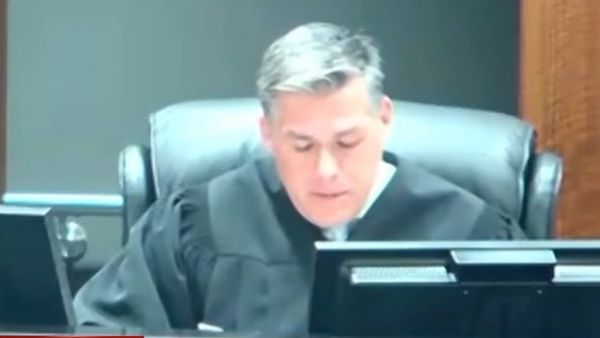
Prosecutors have arrived at the courtroom for the highly anticipated trial involving hush money payments made on behalf of former President Donald Trump. The trial, which has garnered significant public attention, is set to address allegations of financial impropriety and potential violations of campaign finance laws.
During the trial, prosecutors are expected to present evidence and witness testimonies to support their case. The focus will likely be on the circumstances surrounding the hush money payments made to individuals who allegedly had damaging information about Trump. These payments have raised concerns about potential attempts to influence the outcome of the 2016 presidential election.
The trial is expected to delve into the details of the financial transactions involved in the hush money scheme. Prosecutors will likely seek to establish a clear timeline of events and demonstrate how the payments were orchestrated and carried out.
Legal experts anticipate that the defense will argue that the payments were made for legitimate reasons unrelated to the election. They may also seek to challenge the credibility of witnesses and evidence presented by the prosecution.
As the trial unfolds, it is likely to shed light on the complex legal and ethical issues surrounding campaign finance laws and the use of hush money in political contexts. The outcome of the trial could have significant implications for Trump and his associates, as well as broader implications for the enforcement of campaign finance regulations.
Observers are closely following the developments in the courtroom, as the trial is expected to provide valuable insights into the inner workings of political campaigns and the legal boundaries that govern them. The proceedings are likely to be closely scrutinized by the media and the public, given the high-profile nature of the case and its potential implications for the political landscape.