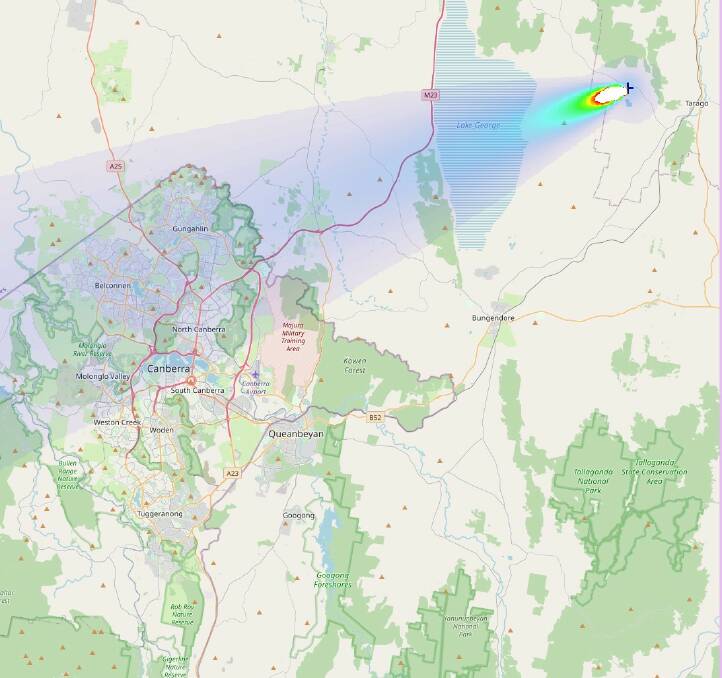
A $600 million waste incinerator planned for Tarago, to the north-east of the ACT, will send its airborne particles and emissions as far south as Canberra, a group opposed to the development has claimed.
Multi-national waste management company Veolia is planning to add a "waste-to-energy" incinerator to its massive Woodlawn landfill site near Goulburn and is currently preparing an environmental impact statement for the NSW government.
Local residents are vigorously opposed to the latest development at the Woodlawn bio-reactor site, which accepts around 40 per cent of Sydney's putrescible waste via a dedicated rail link. Millions of tonnes of Sydney's garbage have been dumped inside the former quarry site for 16 years, with the methane from the decomposition used to generate electricity.
The smell generated by the site gets so bad it forces Tarago residents indoors and children are not allowed out of their classrooms.
However, the latest plans for the 6000-hectare waste site are poised to have an impact far beyond the terrible odour.
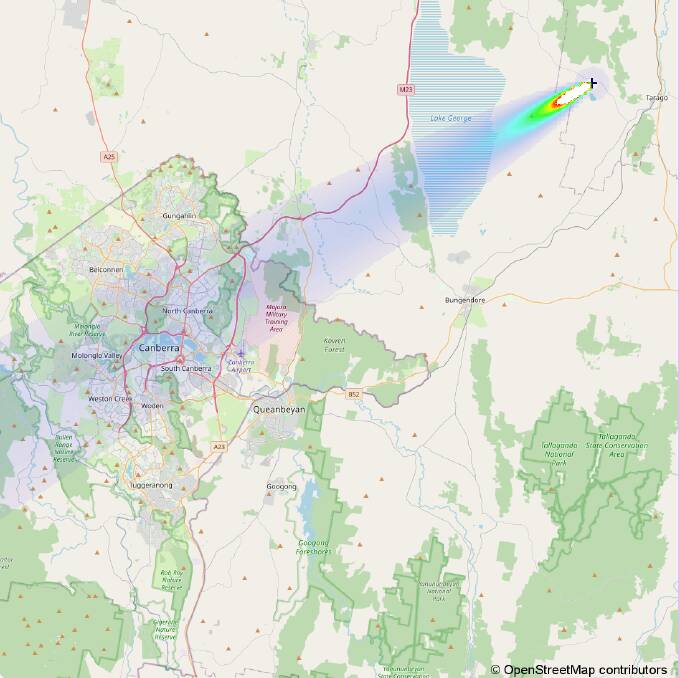
Computer modelling has revealed in an easterly sea breeze, common during summer afternoons, the plume of emissions and fine particulates from the incinerator would be borne across Lake George and into Canberra's northern suburbs.
A major concern is the emission standards the company will use, based on information it supplied to support a near-identical plant it is building in Western Australia, is based on a European directive from more than 20 years purporting to use the so-called "best available air pollution control technologies".
And there is no clear solution for properly disposing of the hundreds of thousands of highly contaminated ash, which in Europe is banned from many landfill sites.
The WA project had intended to blend the ash into an on-site brick- and paver-making plant but this has now been shelved, with no ready solution offered.
In the WA report, the EPA said incineration "has the potential to release oxides of nitrogen and sulfur, carbon monoxide, metals and air toxicants, particulate matter, and dioxins".
The company claims its scrubbing processes, plus a lime injection process into the flue stack, mitigates those emissions. However, the only applicable standard quoted was one from December 2000.
The high-temperature Tarago incinerator is intended to burn 380,000 tonnes a year of municipal, commercial, industrial, construction and demolition waste from Sydney, including plastics and metals. It would operate all year round.
Veolia's first waste-to-energy incinerator in Australia is currently under construction at Kwinana, about 40km south of Perth, and is expected to start operating in late-2022 or early 2023. This plant recently upgraded its proposed waste intake to 460,000 tonnes per year. A primary school and a child heath centre are less than 5km from the site.
MORE ENVIRONMENT NEWS:
- Michelle Grattan: Albanese is looking for cover with emissions target
- Residents' distress after Yass council signs off huge Wallaroo fill dump
- How these Canberrans built low-carbon houses on the cheap
The WA Environmental Protection Authority's (EPA) gave a green light to the proposal, finding that provided the plant was "well-designed and operated using best practice technologies and processes", emission would fall "within strict emission standards with acceptable environmental and health impacts to the community", also ordering real-time data on the plant's emissions be made publicly available.
Veolia owns 27 incineration plants around the world. In its social responsibility objectives, it says it aims to "innovate in the treatment of pollution affecting human health".
However, a US study by the National Research Council in 1999 found "sudden increases in emissions can result from maintenance problems, accidents, a change in the composition of waste being burned and poor management of the incineration processes".
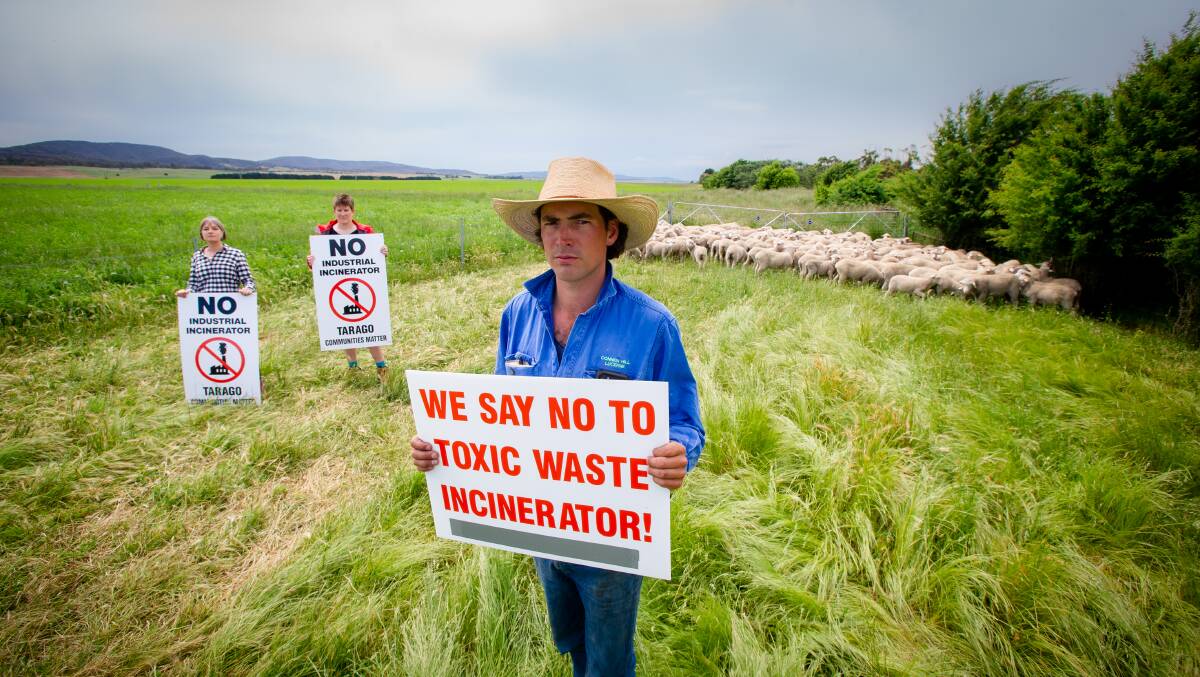
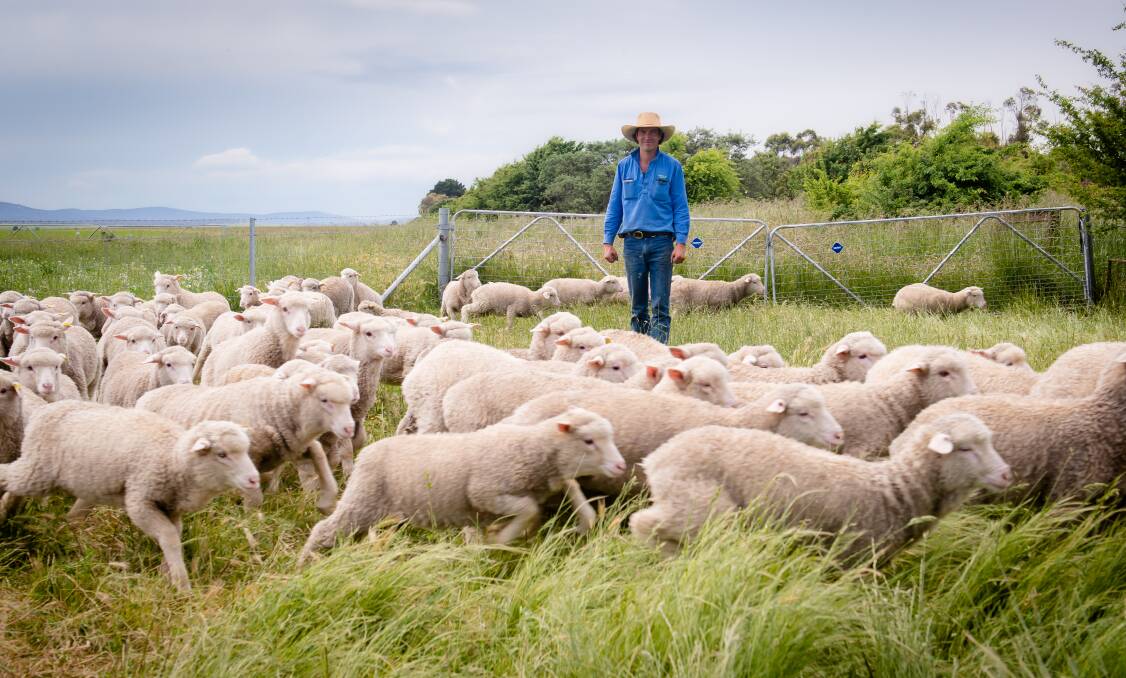
Over 100 people attended the "Communities Against the Tarago Incinerator" (CATI) group's first protest rally on November 6 and community opposition is rapidly building, with third generation local farmer Austin McLennan among the many concerned about what toxins would fall on his 5000-acre farm.
"We're never told the truth about what is emitted by this process. Any contaminants will go directly into the food chain through the water, the stock and the crops," he said.
"If the process is as efficient as they claim, why don't they build the plant up in Sydney and burn their own rubbish there?"
In a statement, Veolia said: "Energy from waste technology is globally proven as safe and is significantly more sustainable than landfilling for non-recyclable waste. The science behind the technology ensures there are no unsafe health impacts of significance."
Tarago resident Paige Davis said with roofs used to collect rainwater by everyone in the area "we will be now not just smelling, but drinking Woodlawn's toxins".
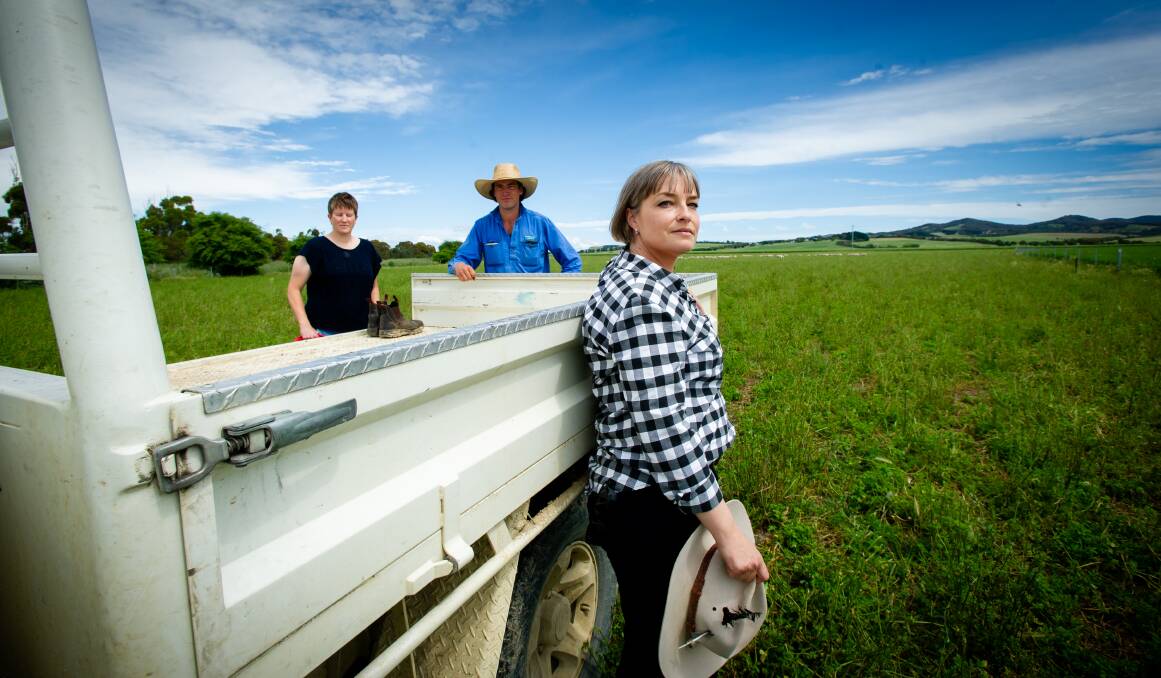
"We are a small regional community that has been Sydney's rubbish dump for years - and now they [Veolia] want to add to our misery," she said.
While the ACT government has categorically ruled out any incineration of waste in the territory, it has very limited power to intervene in another jurisdiction's decision-making.
But airborne particulates like smoke and other hazards know no borders, as Canberra experienced during the 2019-20 Black Summer bushfires when heavy smoke haze from NSW drifted across the territory, caused multiple air quality alerts and distress among vulnerable members of the community.
An ACT government spokesman said any regional waste infrastructure was a priority issue for the Canberra Region Joint Organisation (CRJO) and a priority focus area under the ACT-NSW Memorandum of Understanding for Regional Collaboration.
"In this light, the ACT has engaged with surrounding local government areas, including the Goulburn Mulwaree Council, in which the ACT's opposition to thermal treatment of waste has been confirmed," he said.