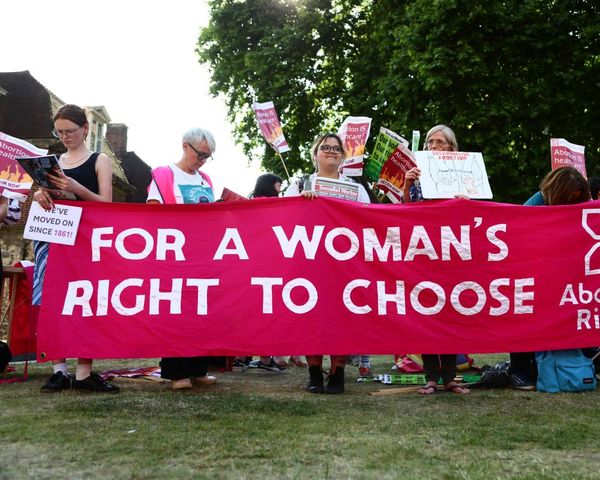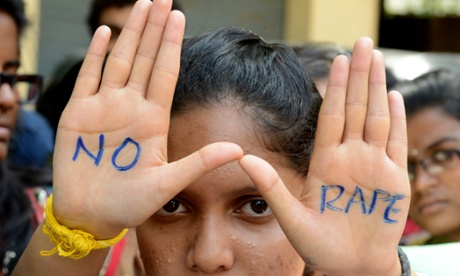
How far has the world progressed on achieving gender equality? In the latest in our series looking back at the millennium development goals, we explore MDG3, which aimed to “promote gender equality and empower women”.
You can learn what the goal was all about, read about the progress that has been made, and hear why the UN must look beyond targets to achieve gender parity. Liz Ford also travelled to Kyrgyzstan, where women spoke of the slow erosion of their rights and their efforts to combat this. Plus, take a look at this video on women in power, featuring Chilean president Michelle Bachelet and MP Camila Vallejo speaking about the role of women on the political stage.
Meanwhile, a recent report has found 38% of health centres in low- and middle-income countries have no access to water. Lucy Lamble went to Mali, where just 20% of health facilities provide clean water, and visited a clinic outside the capital Bamako, which has improved the health of local women and children.
Plus, test your knowledge on all things H20 with our world water day quiz.
Elsewhere on the site
- Ethiopia: new TB treatment means patients will no longer need a miracle
- Aid must be smarter to stop conflict and end poverty, report says
- Asylum requests to rich countries at highest point for almost 25 years
- Human traffickers may face life sentence under Britain’s tough new slavery bill
- Bean breakthrough bodes well for climate change challenge
- Yemen on brink of humanitarian crisis amid rising food shortages, says Unicef
Opinion
The funeral of Farkhunda, the young Afghan woman killed by a mob in Kabul, united people in the country. After attending the funeral, women’s rights activist Frozan Marofi explained why Farkhunda belonged to all the women of Afghanistan.
Meanwhile, legal expert Parosha Chandran commented on the UK’s new anti-slavery bill, warning of a loophole that could allow companies to hide abuses in their supply chains. And after the devastation of cyclone Pam in Vanuatu, Oxfam CEO Mark Goldring argued why the country wouldn’t be the final poor nation to fall victim to climate change inaction.
Multimedia
Video: Chile’s women in power – Michelle Bachelet and Camila Vallejo
Gallery: World water day – how the poor pay more in west Africa
Gallery: Treating multi-drug resistant TB in Ethiopia
What you said: top reader comment
On the piece Why gender equality by numbers will never measure up, Natalia Cardona wrote:
Thank you for writing this article! It speaks to what women’s rights organisations have been saying for years! We can’t have progress if we ignore the very tenets – universal declaration of human rights – that led to the establishment of the UN and gave so many hope that this would be a body to bring about real change. Justice is so important for women and marginalised populations who face the brunt of underdevelopment and poverty. Because justice goes beyond the numbers – which can be easily manipulated – it implies reparations for grave wrongdoings and requires ALL of us to rethink systems of oppression.
Highlight from the blogosphere
Global Voices: Myanmar rural villagers share their development plans through Facebook
And finally …
Poverty matters will return in two weeks with another roundup of the latest news and comment. In the meantime, keep up to date on the Global Development website. Follow @gdndevelopment and the team – @swajones, @LizFordGuardian, @MarkC_Anderson and @CarlaOkai – on Twitter, and join Guardian Global Development on Facebook.