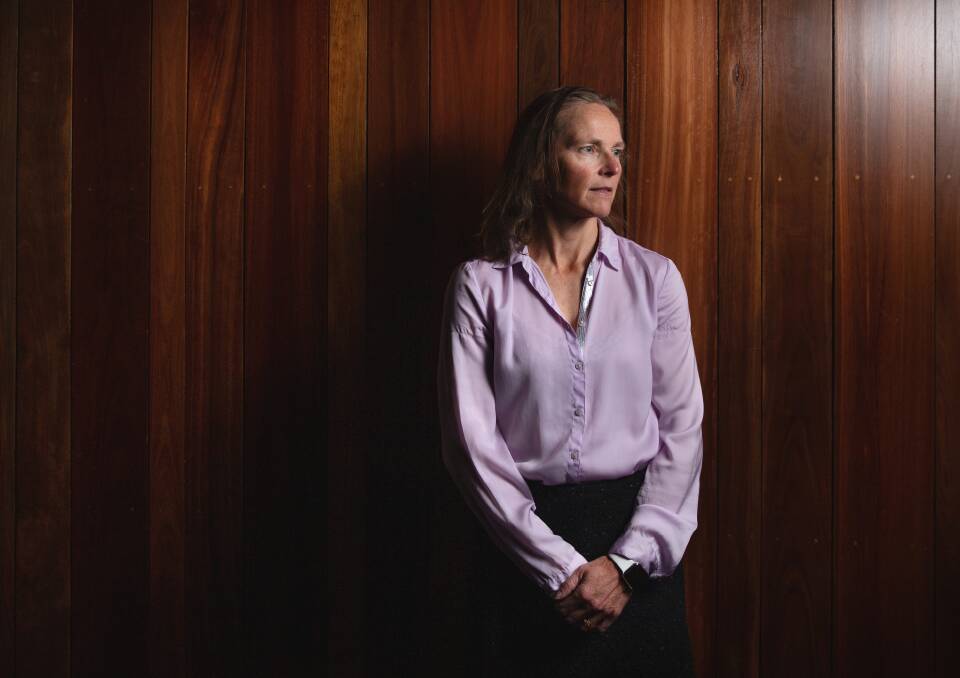
PROFESSOR Jennifer Martin has outlined the "devastating" effects that climate change will have on human health, three weeks after her resignation from the University of Newcastle Council in opposition to Whitehaven chairman Mark Vaile's appointment as chancellor.
Professor Martin has largely kept a low profile since her resignation sparked a campaign that started with staff and students and grew to include doctors, philanthropists, anti-coal groups, climate change groups, business renewal groups and unions and led to Mr Vaile walking away from the role.
"[I'm] feeling increasingly positive as the days go on," Professor Martin told the Newcastle Herald.
"[It] seems people are increasingly seeing the opportunities for the future of the region, of the benefits of having more inclusive and transparent discussions and considerations of different types of leadership and diversity of background to lead our post coal transition."
Professor Martin and Australia Institute chief economist Richard Denniss were invited to write an opinion piece for InSight+, the online news magazine of the Medical Journal of Australia.
They wrote"leadership symbolism matters" in climate change and health; outlined what had happened in Newcastle; and explained the effects of climate change on human health, such as higher rates of respiratory and temperature-related illness, increased prevalence of vector- and water-borne diseases, food and water insecurity and malnutrition.
They wrote that economically and health-poor groups would be disproportionally affected; and "any opportunity to mitigate climate change should be taken with the expectation that such mitigation will have substantial benefits to human health".
Professor Martin and Dr Denniss wrote that leaders in global health had been recommending health policy changes to mitigate the health impact of climate change for more than 20 years.
They wrote many had suggested the health care community should also engage in recommending non-health policy and practices to reduce the impact of climate change.
"As these situations tend to become heavily politicised and sometimes forget the people who are affected by such policies, medical colleagues suggested context for the public on the medical, health and economic issues facing delays to addressing climate change should be provided," Professor Martin told the Herald.
"Why [write the piece] now? That journal has covered many pieces on this topic over the years including in alignment with medical leadership in the UK and other jurisdictions.
"This post coal transition is an issue likely to affect many parts of Australia going forward, and regional towns are slightly more vulnerable in some ways than bigger cities due to less people and also because much of the industry, skillsets and jobs have been around or related to mining.
"So it's pretty timely to be thinking about this and ensuring we have the right leadership here to help us navigate such complexities going forward.
"If Newcastle and the region can navigate this well, then it might provide some guidance for other cities. It might also provide some guidance for universities in those cities in terms of the opportunities to refocus funding and research endeavours.
"It was also clear that the medical profession and health practitioners more broadly, including first responders and emergency services, would see and in fact are already seeing a lot of the human cost of climate change. Regardless of whether there was any adaptation to our current industries around climate, there would be human health and economic effects.
"But it's clearly documented that this would be significantly less if we started acknowledging what needed to be done and preparing for that, including retraining of people, and also addressing our educational providers to consider moving to research and development into new technologies and industries.
"Leadership on such issues is key."
Professor Martin said extreme heat could lead to heatstroke, while floods and droughts could lead to disease.
She said climate change could also lead to more air pollution; allergens; dengue, malaria and arboviruses previously seen in warmer areas; rodent diseases and plagues; tick borne diseases; leishmaniasis; loss of marine life habitat that will impact food supply; loss of bees that will impact vegetable and plant growth; and make it more difficult to grow crops.
Changes to salination may also affect access to clean drinking water.