I'm still very new to hunting and archery, and when I started, I started without a family member or mentor to guide me on that journey. As many late-onset anything folks tend to do, I turned to YouTube University for guidance. Guidance on how to better my form, understand my quarry, learn about terrain, and figure out the countless things I was doing wrong and why my arrows were never in the center of the damn target.
There, I found hunter and professional archer Chris Bee.
Bee has been using a compound bow for decades, having come up in the professional archery world and transitioned into a hunter and archery educator on his YouTube platform. There, he teaches people many of the hard-earned lessons he's gained from time in the field, in the professional competitive archery space, and primarily from chasing whitetail deer—an animal with an almost cult-like following. And, personally, I found many of his bow setup how-tos, archery deep dives, what to watch out for, and how to break bad habits invaluable. They absolutely helped me last year when harvesting my first bull elk and a truly rad mule deer buck.
And to that effect, our conversation went long, as I may have pestered Chris with some light (read mild...OK big) target panic questions, and he graciously gave me a drill to (hopefully) beat it ahead of my archery season this year.
But most important to readers of RideApart, Chris was an early adopter of utilizing UTVs in his hunting pursuits, as well as how they work around his and others' farms in the want to grow big deer, and making the variables more advantageous in that want, as well as just getting to and from the treestand or food plot. They've become invaluable tools, just as they are for many others. Myself included. Chris was gracious enough to sit down and give me an hour of his time ahead of the launch of his upcoming bow shop, and we talked all about how he uses his Can-Am side-by-sides, as well as what the future of the UTV hunting world entails, including that of EVs, something that Can-Am doesn't have in its lineup.
At least, not yet.
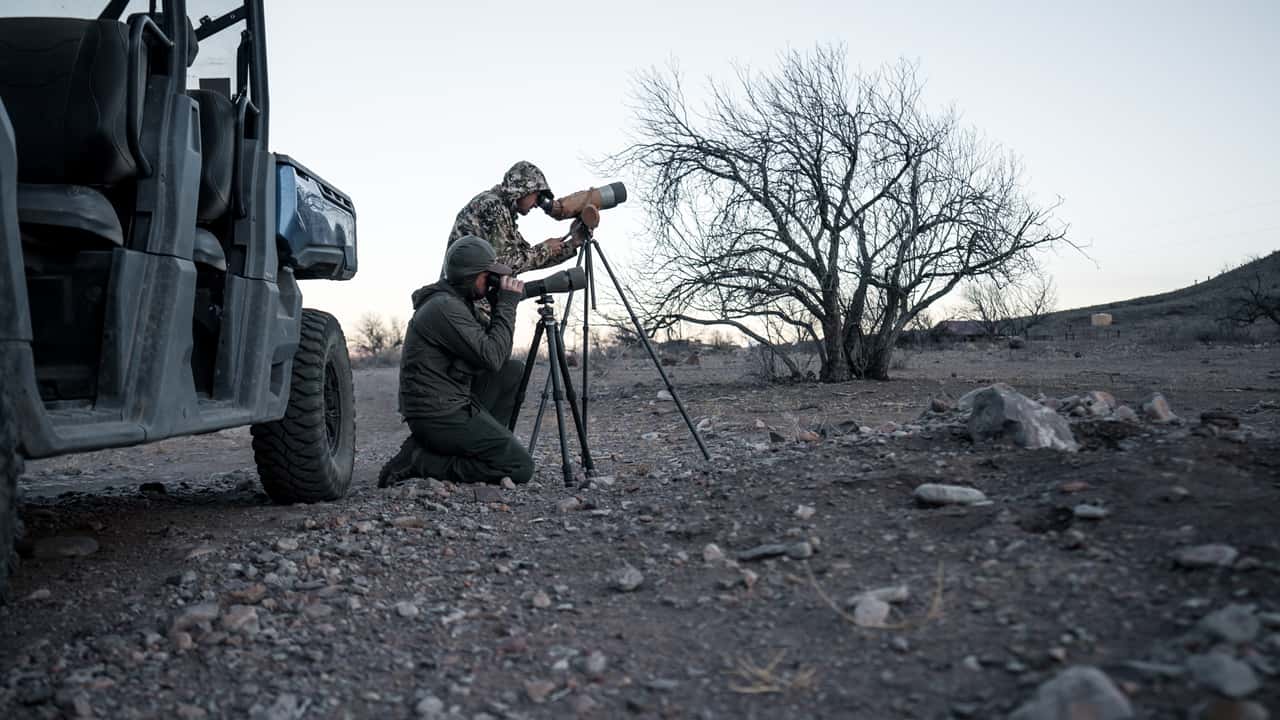
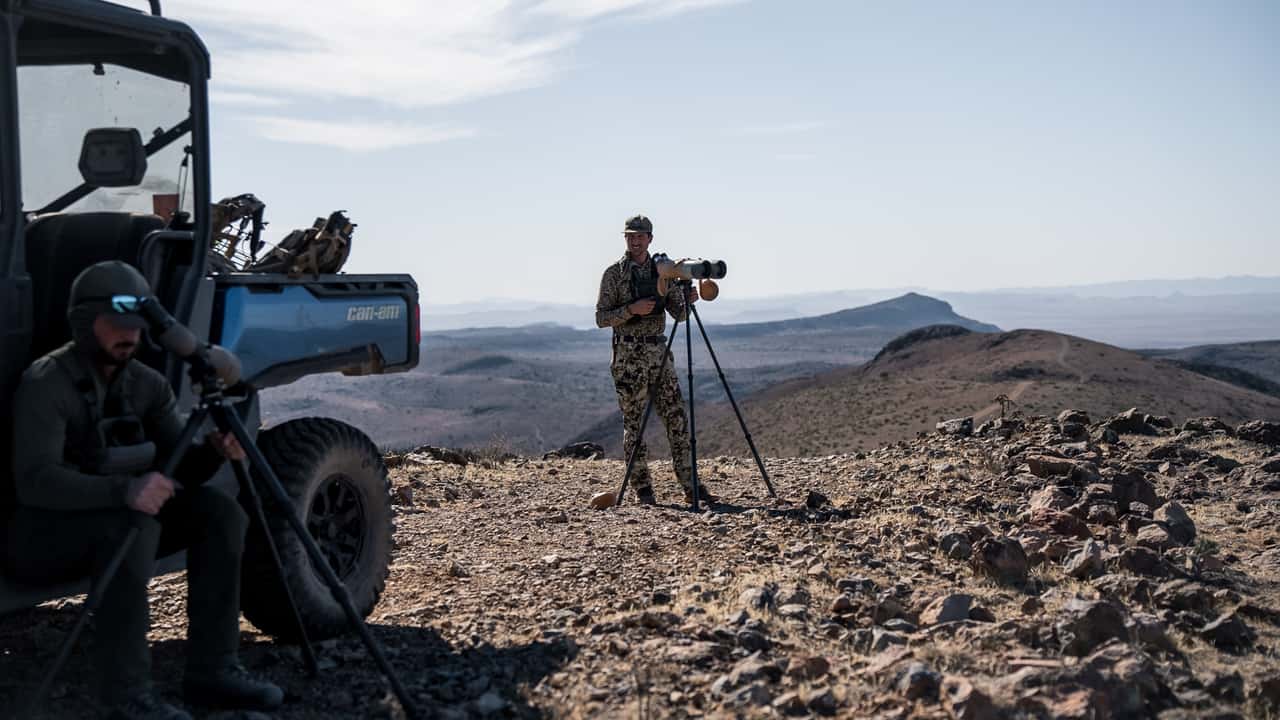
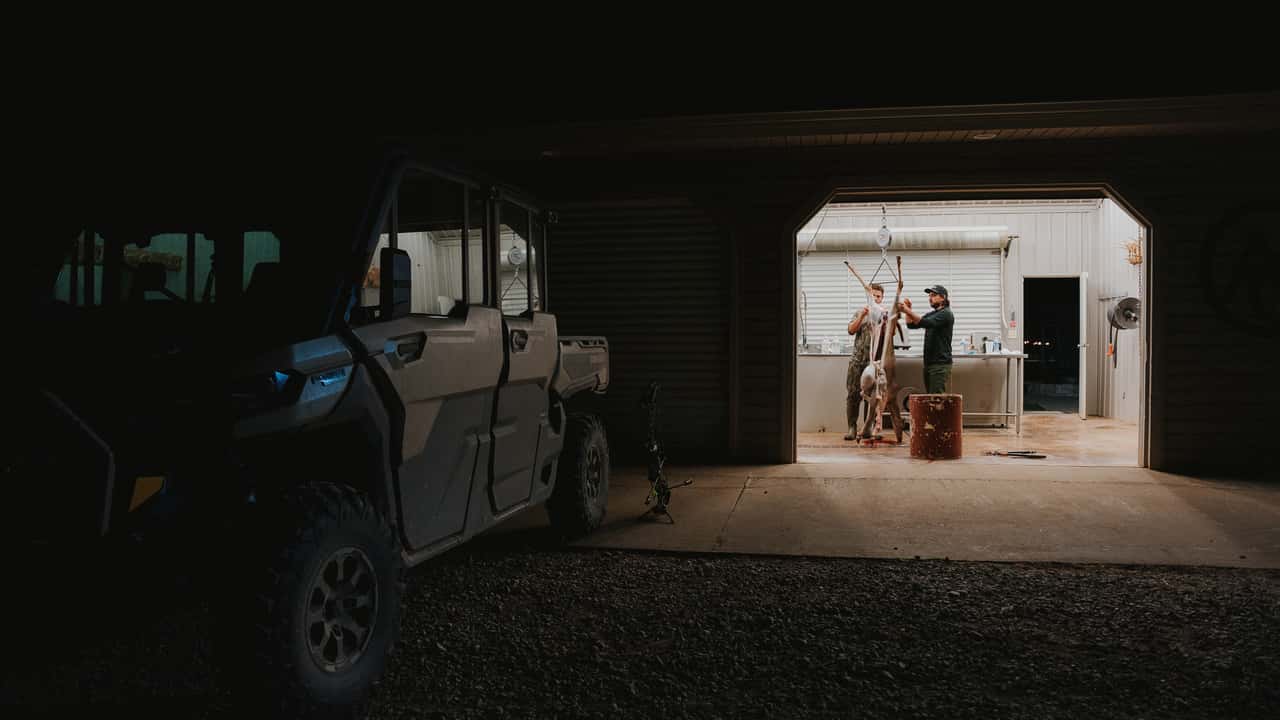
RideApart: Yeah. So I wanted to chat with you, one, to help me fix my archery form because I suck. But more importantly, I wanted to talk to you about how you have used UTVs and ATVs to really elevate hunting in recent years. Because it seems like it's taken on a life of its own, and you've been pretty transparent about how you've used those machines to help you on the farm to help grow big deer, basically. So I want to get your thoughts on it.
Chris Bee: I mean, when you think about tools that you use to achieve the goals that you need done, you always want the most efficient tool that you possibly can get. So for my earlier days, those tools were way less efficient. Everything was more manual when it came to the farm or hunting properties or maintenance or all the above. And as you evolve and get better tools, everything becomes a lot easier and more efficient. So a good side-by-side unit, I mean, it's very integral if you have a larger piece of property, if you have multiple properties, if you have a farm, any and all the above because of access, because of storage, and also just the convenience and how nice it is.
I took it to the farm on the 4th; we did an eight-hour day, it was 90 degrees, and to be able to leave the unit running and to jump into it when the AC was going was unbelievable and kept us out there longer than we probably would have been if we didn't have it, if that makes sense.
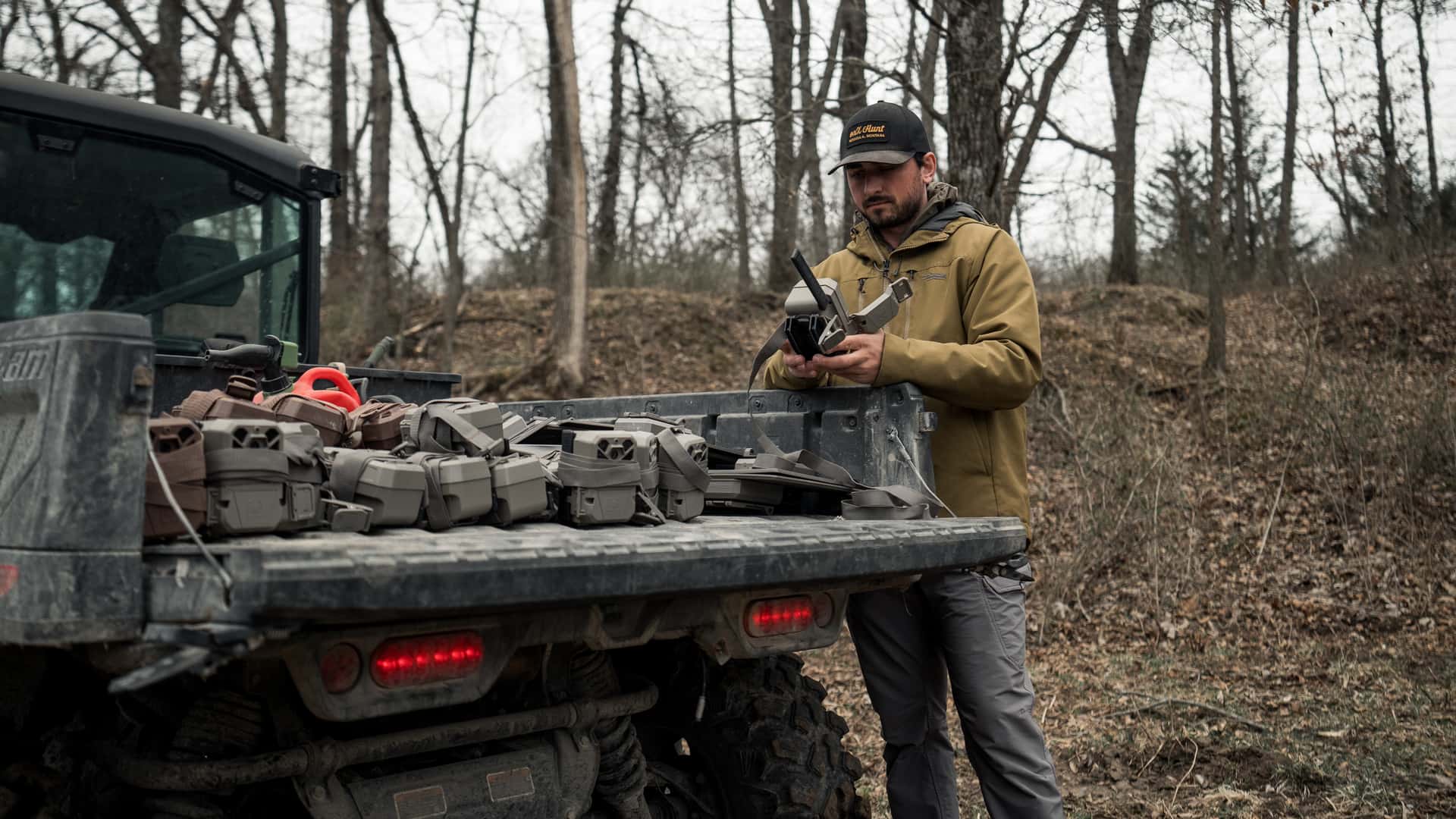
It's very, very, very rare that I don't go to a property or a farm and don't have it with me just as far as getting around access. I have it with the bed kind of rigged out for trail cameras and for maintenance, if it's electric fence or all my trail camera stuff, all my tree stand stuff, it's rigged out in a way where I can just load it up, take it down there, and it's kind of ready to rip with everything that I got. If that's Yeti toolboxes filled or Yeti tool buckets filled of stuff.
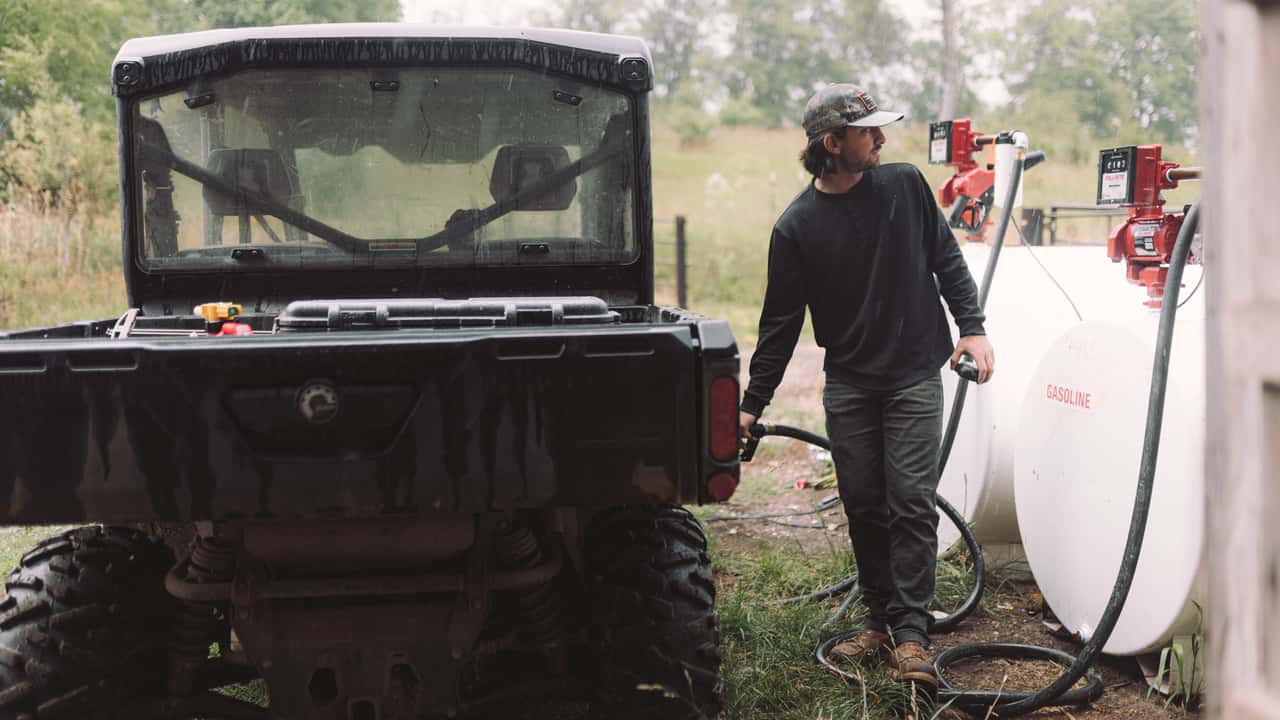
As far as leaning into Can-Am and the new units, they are kind of incredible as far as being able to get nearly anywhere. When people think of a side-by-side, I think they think of limitations with them because it's a bigger unit rather than a four-wheeler or even, I have the six-seater, even a smaller unit, but it's kind of incredible what they can get in and what they can get around. There are almost zero limitations to them as far as where you need to get them. When I think about how I'm using it right now, the AC is a huge benefit. When it's 95-plus degrees, it just helps you stay out there longer, get more stuff done, and be able to take a break. I mean, it's literally you've got a mini truck that you're able to drive into the woods and use it as a tool. That
RA: How has your relationship with your truck changed since adopting side-by-sides to do all these things?
CB: There are still times if I want to just do something quick where I just rip around in the fields in my truck, but on my farm specifically, while it's got a pretty good trail system, it's kind of only a side-by-side trail system. So you can't obviously take a truck through there. So it's kind of opened up my routine.
And it keeps things separated as far as all my work stuff is typically in the Can-Am at all times, and I can just unload it, go out and rip, do everything I need to do, load it back up, and bring it to the house. Or sometimes I just leave it down there if I'm going to be heavy working down there and not hauling it back and forth. But yeah, the relationship with the truck and Can-Am, I mean they definitely have their own place. I have a 2500, so it's not like I have a smaller truck to rip around. I've buried my truck a couple times in fields trying to do what Cam should do and I just shouldn't do that.
RA: So whitetail hunters are a different breed, and you're probably one of the best out there. You guys are managing deer probably better than most DNRs at this point. How has your relationship changed with that management practice using, say a Can-Am, versus what you guys were doing 10 years ago when these things weren't a thing?
CB: I think it just makes it more efficient. I think it's going back to my, you keep bettering the tools that you use in your arsenal, and the Can-Am is a tool for a job that we need to do, which is access, storage, comfort, mobility.
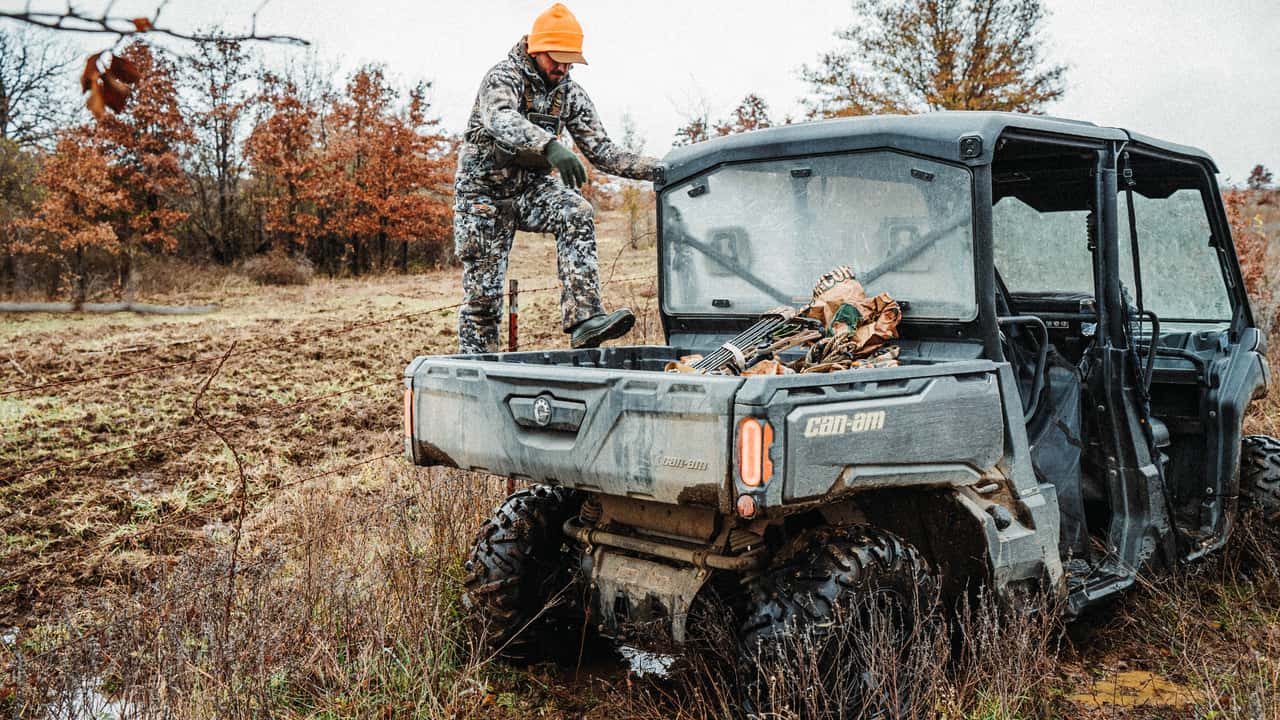
RA: Are you doing anything to increase efficiency? Is there any incremental upswing to how you can manage the properties better for those conditions that grow big whitetail?
CB: I mean, being frank, no. No, there's nothing that the Can-Am specifically does that changes the way that we do things, but it makes it more efficient, faster, easier, but it's not necessarily changing how we do things. It's just making it way more efficient, easier, and therefore better when we're able to get more stuff done.
It's just like, does a Mathews bow make me a better killer? No, it doesn't. It's a fantastic tool. You can increase the level of tool and efficiency and everything. But at the end of the day, it doesn't change what you do. It's like all these products and everything that we do; it increases our efficiency. It increases maybe even the enjoyment out of it. But at the end of the day, there are goals and things that we need to do. There's multiple ways to do it. Some are easy, some are hard, some take a long time, some take a short time. So when you choose the tools in your toolbox, you always want them to be most efficient, the best experience, and to be able to get to that goal faster.
So essentially that's what the Can-Am units do. I mean, we're able to do everything that we need to do more efficiently, easier, more enjoyable, all the above.
RA: Being an ambassador, but also being able to have your own property to play around with things, where do you think the industry is going? I was just at Doug Duren's farm and we were testing the EV Outlanders. Speaking of someone that learned out West and didn't grow up whitetail hunting, didn't grow up hunting, that EV felt like a giant step forward in being able to control your noise level, which is such a big thing in your community.
CB: 100%. Yeah.
RA: Do you think that an EV UTV is going to be that next big jump in efficiency and potential?
CB: Yeah, absolutely. I've asked Can-Am if it's in the timeline because I mean, Polaris already does it. A lot of other companies already do it. And when it comes to the hunt going to the stands, moving around the farm during season, noise is very, very important. So now with the upgrades of being 60% quieter or whatever it is, it is fantastic. But ultimately until there's an electric unit, I will be using e-bikes for the final approach into the stands.
RA: Do you think that the hunting community as a whole has an issue with EVs as a general rule of thumb? Or do you think they've been better adopters of EVs?
CB: I don't think there's any negative connotation towards electronic mobility. The only pushback is on public lands. You're not allowed to have motorized stuff. I know in Iowa on public lands, no motorized anything, which includes e-bikes, which includes anything. So that's the only pushback. But when it comes to just personal, private, whatever stuff, as a hunting community as a whole, no.
I hate talking about Polaris, but their EV unit, I know a bunch of people that absolutely love it.
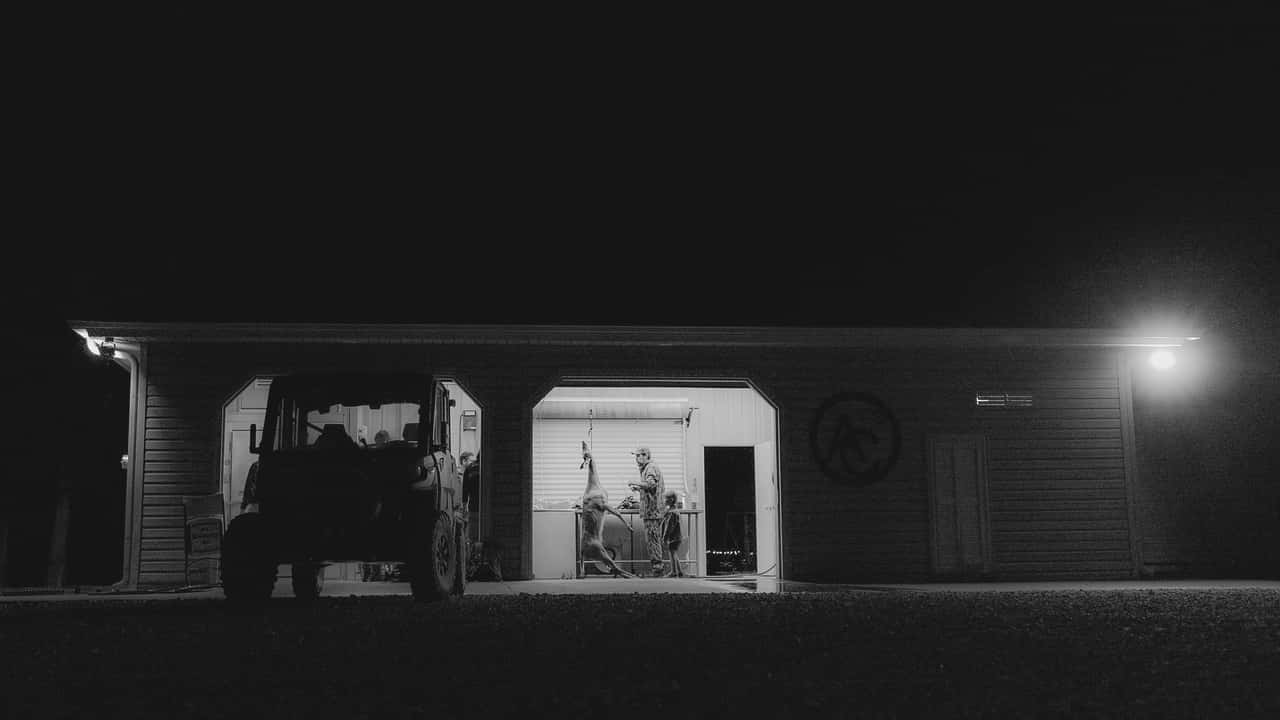
Not for necessarily the off-season work aspect, but for the actual whitetail hunting, getting around the farm during season, trying not to disrupt it, trying to be as quiet as possible. That's the biggest thing. And then when it comes to EVs, we're getting on a tangent, but when it comes to EVs, when you look at Bad Boy Buggies or some of these other ones, they're quiet, but then their suspension system sucks and other aspects of the unit sucks. They're still loud; they're squeaky. They used to call them the Squeaky Buggies because they would squeak. So there's all sorts of aspects to... So when you think about what the perfect tool for the job right now, the Defender HD11 is a perfect tool for the management, for the getting around, big-picture transportation, all that stuff. When it comes to the final approach, which I mean sub 500 yards away from stand locations, bedding locations, stuff like that during seasons, an EV unit is the best way to go for that.
RA: I want to go on a different tangent. What do you think needs to occur to get more people involved in hunting? You're doing a good job in pulling in the youth, pulling in more people from younger demographics. What else needs to occur to get more people involved in hunting as conservation or just as hunting in general?
CB: So my big thing is focus around archery and bow hunting. You can't bow hunt without bow in the word. So archery's the number one most important thing because a lot of times people pick up archery and transfer over into bow hunting, or they are gun hunters and then transfer into bow hunting. But they need to learn how to shoot a bow.
So archery is the most important thing to growing bow hunting. Because if you don't understand and don't know archery, you're going to have a super bad experience bow hunting because you're not going to know how to shoot a bow. You're going to miss, you're going to wound, you're going to not understand it, you're going to get frustrated, and you're going to drop it because no one wants to do something super frustrating without learning and growing and getting better at it.
Archery is the number one most important thing for me to try to grow. Hunting as a whole, especially, of course, I'm not going to say no, but for me, dialing in and focusing on what I want to really focus on, it's archery because that in turn grows bow hunting. There's always the outreach portion of it.
That's the giant bucket that you try to dump people in. Well, inside of that bucket, what's most important is how do they get out of that bucket into the next bucket, which is actually doing it once they're exposed to it. So people have to have a good first experience. If people don't have a good first experience doing something, there's a really good chance that they don't stick with it. So that's what I think is very important for converting. We can do all the outreach stuff in the world. People can know about it, they can see it, they can read about it, they can be introduced to it. But unless they have a good first experience when they pick up a bow for the first time or go bow hunting for the first time, they don't have a good experience; they're not going to want to stick with it.
So I really think it's, and unfortunately and fortunately, that good experience is such a grassroots, small, one-on-one experience most of the time. It's not done to the masses. Very rarely is it done to the masses. Sure, there are events or something people could do or do where you have 20, 30, 40, 100 people, whatever, shooting for the first time, but that's very rarely the case. A lot of times it's people coming into pro shops, it's their uncle teaching them, it's their mentor teaching them, stuff like that. That first experience, I can't stress enough, is so important that they have a good time. That they enjoy it. They don't have to do well. It doesn't matter how well they do at all. They just have to walk away from that session, that experience, whatever it is, thinking, "I'd love to do that again. I'd love to learn more about that. I think this is my next hobby." That moment right there I think, is the most important thing to continue to grow. Hunting in general, bow hunting specifically, and archery most importantly, because archery feeds it all.
I don't know if you know this, but we're opening our own bow shop. Here in Des Moines, July 25th is our grand opening. And that just ties into me really hoping that I can make a very small impact on that good experience bucket. Bow shops have to be incredibly humble and patient and open-minded for everything because every person individually is different. Everyone's emotions are different. Everyone's style is different. How they think about things is different. So when someone walks in the door, it's very important that your end goal is, I just want this guy to have a good experience.
If I'm behind the counter, I have my way of doing it, and screw all you guys if you don't like it, which is most of the attitudes of old grubby guys behind the counter: not wanting to do this, not wanting to do that, not wanting to spend the extra time doing whatever. And they walk out; maybe they buy everything, but they're like, "Man, that sucked. I didn't enjoy that. That wasn't good. I'm glad I have the stuff now, I guess, but it wasn't a good experience."
This is business in general, not even just retail, but customers are always first. And the customer is the way you grow these things because it's not a customer; it's a human.
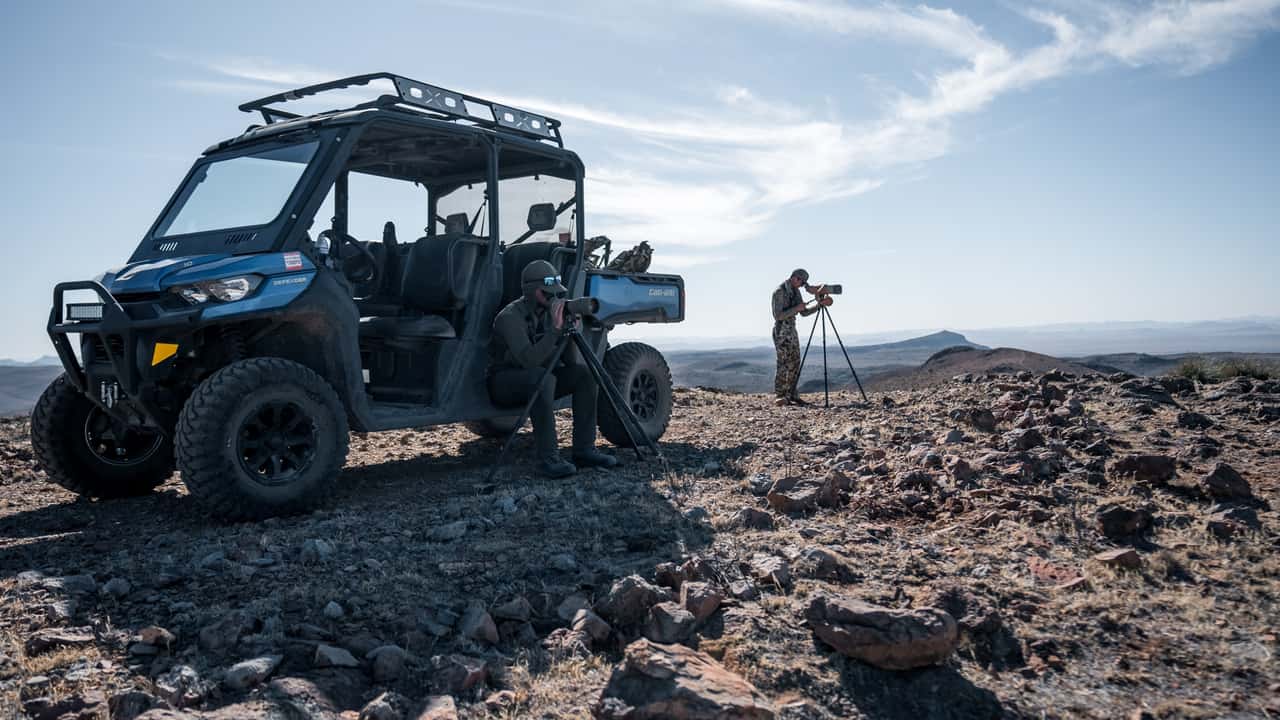
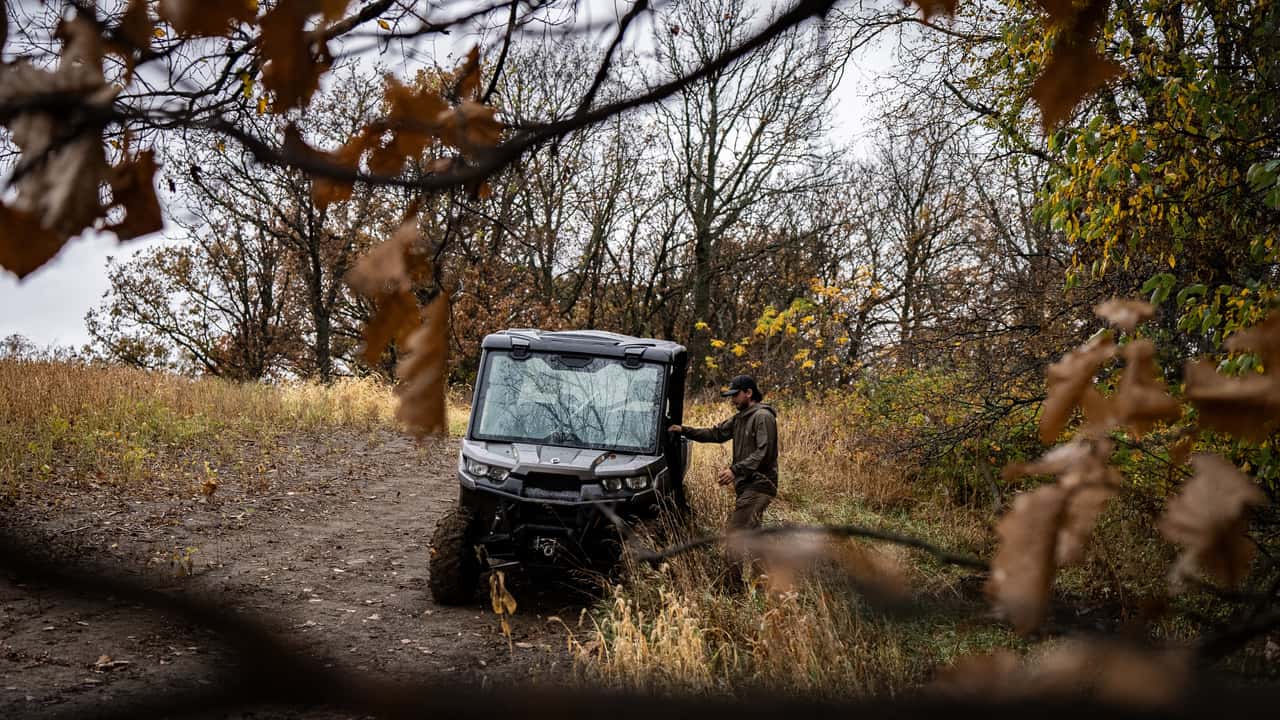
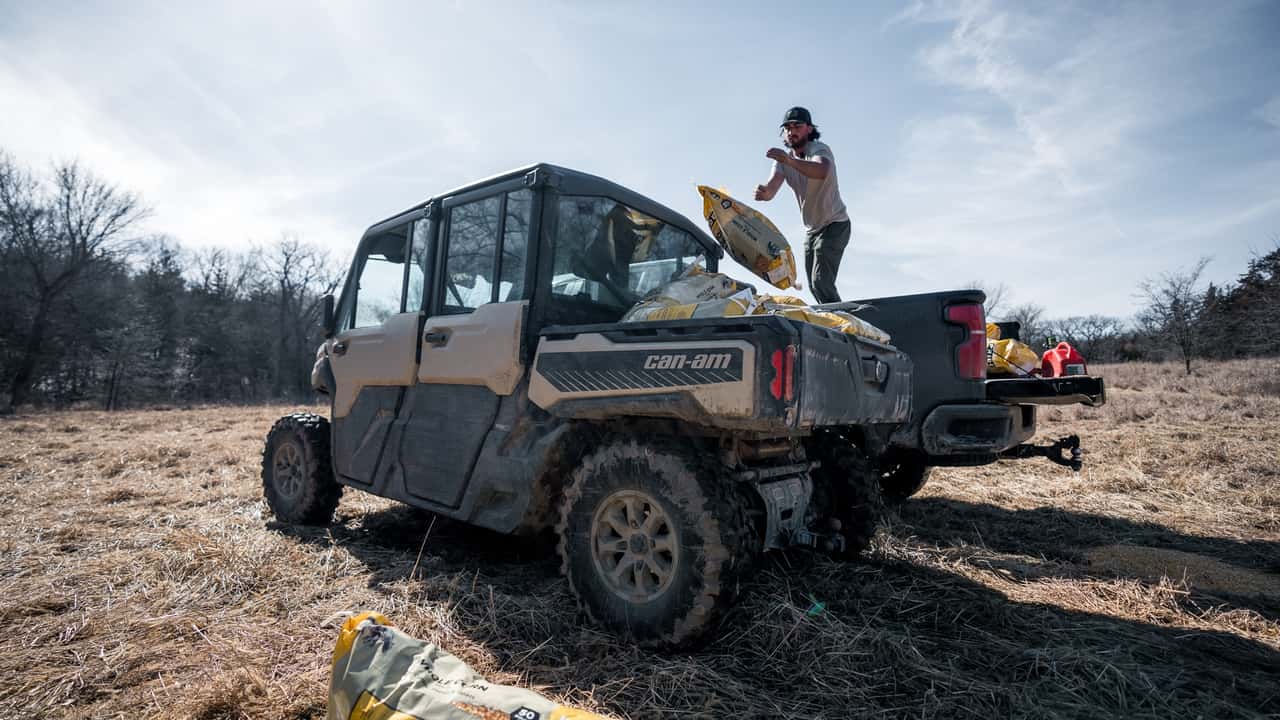
RA: To bring it back around to UTVs, what is something that you are still looking forward to these companies bringing out? Is there something that is missing aside from the EV talk that we had?
CB: The EV unit's the no-brainer one. I think that would make a lot of sense. I would use it a lot. I know a lot of people would probably use it a lot.
I also always have tools, just random tools, and there's no good way to... Trucks have toolboxes and very organized ways that you can store tools in trucks. And I know there are a couple of accessories right now to do that. If I could dream it up, the next thing that would be really cool is somehow integrating a toolbox into a Can-Am unit that doesn't take up as much bed space. Because the problem right now with the accessories is they take up so much bed space when you utilize them.
Something like a Decked system or a toolbox system that runs vertically along the back windshield that's slimmer, that folds down, because you need to still use the bed. The closest thing to that is a long bed unit with the understorage. That's the closest thing to it.
Because at the end of the day, these are utility vehicles. They're not trail riding vehicles, even though people use them as hybrids. So the number one way people use these is to ranch, is to farm, is to go hunting. All of those things require tools to do if it's either an emergency, if it's everyday life, or if you take it onto a farm. And if there is a way, quote unquote, a Decked system or a toolbox system that doesn't interfere with the way that you use everything currently, it's an addition. It's more of an addition rather than more of a subtraction. Because right now, a lot of the accessories, it's an addition, but it's also a subtraction. And it's a bit more of a subtraction to an addition in my eyes, how I use the units because they take up so much space because they're plopped right in the middle.
It's like, "Oh, we need accessories. Let's just plop them in. " You know what I mean?
RA: It attaches to the bed rather than works with the bed.
CB: Yeah, there's a big difference. We make fun of the archery world when it's like, "Okay, we're going to solve a problem by bolting something else onto it." That's never the way you solve problems. You redesign it to be built into the design.
If I we're dreaming, if we're just talking out loud, that would be something that I always think of. I mean, I always have a couple Yeti Go boxes, Yeti buckets just chock full of shit. And it takes up space in the bed, which is fine, but it's like, man, I always think and dream if there was a Decked system or a built-in toolbox integrated into something somehow somewhere.
RA: I went through that same issue on my elk hunt last year, as I have a Can-Am Maverick X3 Max. It's the go-fast model, but it's the four-door. And I put a rooftop tent on it, which is great, but I lose every single ounce of rack storage because of it. So everything that I had was filled by using the cab, and it was just everywhere. I had the bull's head strapped to the back, resting on the cooler that I also had strapped to the small deck on the back, too. It wasn't convenient, which is why when Can-Am debuted that MeatEater HD11 concept, I was just like, "Oh, that would've been perfect. That would've been so much better because it had the rooftop tent on an actual rack up high, but still had the entire bed free, which would be great."
CB: Yeah, I see that. The load-out rack.
RA: But that's a use case for here. It's different use cases for you versus me. Western hunting is very different from Eastern hunting and doing a lot of the stuff on the farm.That HD11 with a tent and all the bed space is perfect so that I can go take it into the backcountry and just disappear for a week. It's going to be a different use case for you.
CB: Yes. Yes, for sure. For sure. But yeah, I think as a whole, if I could dream something, it's just something better where it's all of the, for example, impact, grease guns, wrench, random knickknacky tools, something to fill up two five-gallon buckets worth of tools stored in a way... Something like that would be awesome.
RA: Well, I'll end here. I really apreciate it. Now help me fix my fucking yips.
CB: Yeah, yips...