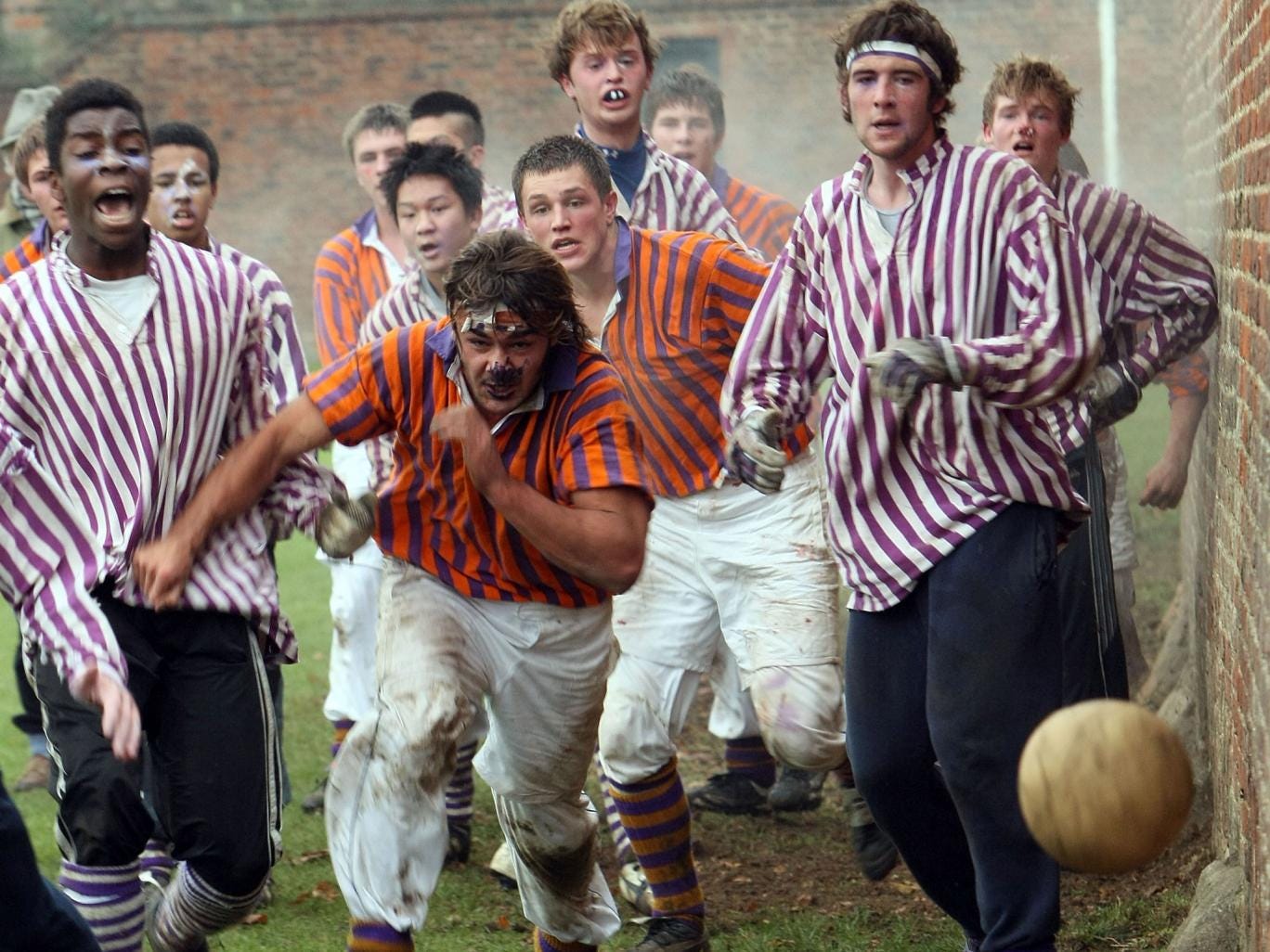
Too much sports provision in the UK’s independent schools is still based on Tom Brown’s Schooldays, headteachers have been told.
A report circulating at the Headmasters’ and Headmistresses’ Conference - which represents 275 of the country’s top independent schools, concluded: “The days of competitive team games are numbered, especially in sports with a significant degree of danger of injury, such as Rugby Football or Hockey.”
Instead, schools in future should concentrated on providing a wider range of individual sporting activities, such as zumba classes, gymnastics, athletics and cycling – and be given the choice as to whether to participate in team games from, say, the age of 14.
The report, by Neil Rollings, chairman of the Professional Association of Directors of Sport in Independent schools, said: “British-style independent schools are the only sporting environment in the world where participation in team games is compulsory. Other countries offer these opportunities on a voluntary basis after school and at weekends.
“Much of what occurs in British independent schools … has a direct bloodline to Tom Brown’s schooldays and is based on blind benefits which – though widely articulated – are little substantiated,” it said.
“Increasingly, this provision clashes with the preferences and demands of a 21st century marketplace and creates problems for schools in managing a programme based firmly on the primacy of team games, the honour and unequal opportunity based on ability.”
Speaking to HMC members at their annual conference at St Andrews University in Scotland yesterday, Mr Rollings argued that participation in team sports was “as democratic as North Korea”.
Parents, his report argued, no longer accepted that all children were stimulated by competition and refused to put up with unequal opportunity based on physical ability. They believed all children had the right to participate in high quality sports activities.
“There will be a need to demonstrate benefit (from sport) to all pupils not just those who are athletic and well- motivated,” it said. At present those who participated in school teams “become known as the ‘sporty’ pupils”, it added. This phenomenon was known as the “Matthew Effect” after a passage in the gospel which summarised as “the rich get richer and the poor get poorer”.
Mr Rollings acknowledged that high performance would always been an important part of sports provision but added: “Tinkering around what has happened over 150 years is not the right way forward”.
“It will be necessary for the programmes of the future to offer more inclusive opportunities to children of all abilities and to provide appropriate experiences for all shapes, sizes and levels of previous coaching,” the report added.
Under the present provision, it argued, more pupils had come to hate games than love them. “For over 100 years, schools have hidden some shabby provision (especially for the less able) behind compulsion, and an unsubstantiated view that pain and discomfort somehow ‘makes a man of you’ through a process unknown to science,” it said.
“The range of activities on offer will come to include a wider array of ‘lifetime’, non-competitive sports .. This reflects leisure trends in society where recreational running, cycling and swimming are far more popular than the competitive versions of these activities.
“The status of these activities will change and they will come to be valued as positive choices rather than low quality, minimum supervision alternatives to the traditional games. This will represent a significant cultural shoft in attitude, elevating ‘alternative’ activities above their current standing as a dustbin for those not involved in team sports.”
Lucy Pearson, headmistress of Cheadle Hulme school and a former England cricket international, said pupils should be allowed choice as to whether they participated in team games from Year Nine – when they were 14. Activities like zumba were competitive, though, she argued, with pupils competing against themselves to reach higher standards.
Gregg Davies, headmaster of Shiplake College Henley-on-Thames and a former rugby referee, said: “I think it (sport provision) will be very different in the future. There will be a proliferation of more individual sports.
“I think there always will be room for team games but there will be different sports that come up.”
He added there would be more mixed team games - -such as touch rugby – that “girls and boys want to play together”.