Private-sector creditors proposed short-term actions in support of the poorest world economies in a draft letter to the G20 that says the current debt relief extension could be "insufficient" to tackle some of those country's short-term cash needs.
In remarks that echo those made by the UN Economic Commission for Africa (UNECA), the Institute of International Finance (IIF) proposed the use of new or existing special drawing rights (SDRs), implementing a UNECA-proposed facility to help countries meet short-term debt payments, and support for the developing of domestic local currency bond markets.
The letter comes ahead of Friday's extraordinary Group of 20 meeting where officials expect to complete work on a common framework for dealing with the debt problems of the world's poorest countries, among the hardest hit economically by the COVID-19 pandemic.
Officials from the Group of 20 last month agreed to extend the Debt Service Suspension Initiative (DSSI) freeze on official bilateral debt payments to the first half of 2021 and said they would consider another six-month extension in April.
"The extension of the DSSI is seen as necessary but possibly insufficient to address liquidity shortage problems—highlighting the need for ongoing support from the international financial institutions as well as the importance of market access," the IIF said in the letter draft, seen by Reuters.
IIF members include hundreds of private creditors across the globe. World Bank chief economist Carmen Reinhart told an online event hosted by the Financial Times on Thursday that the absence of private-sector participation had limited the impact of the debt freeze initiative.
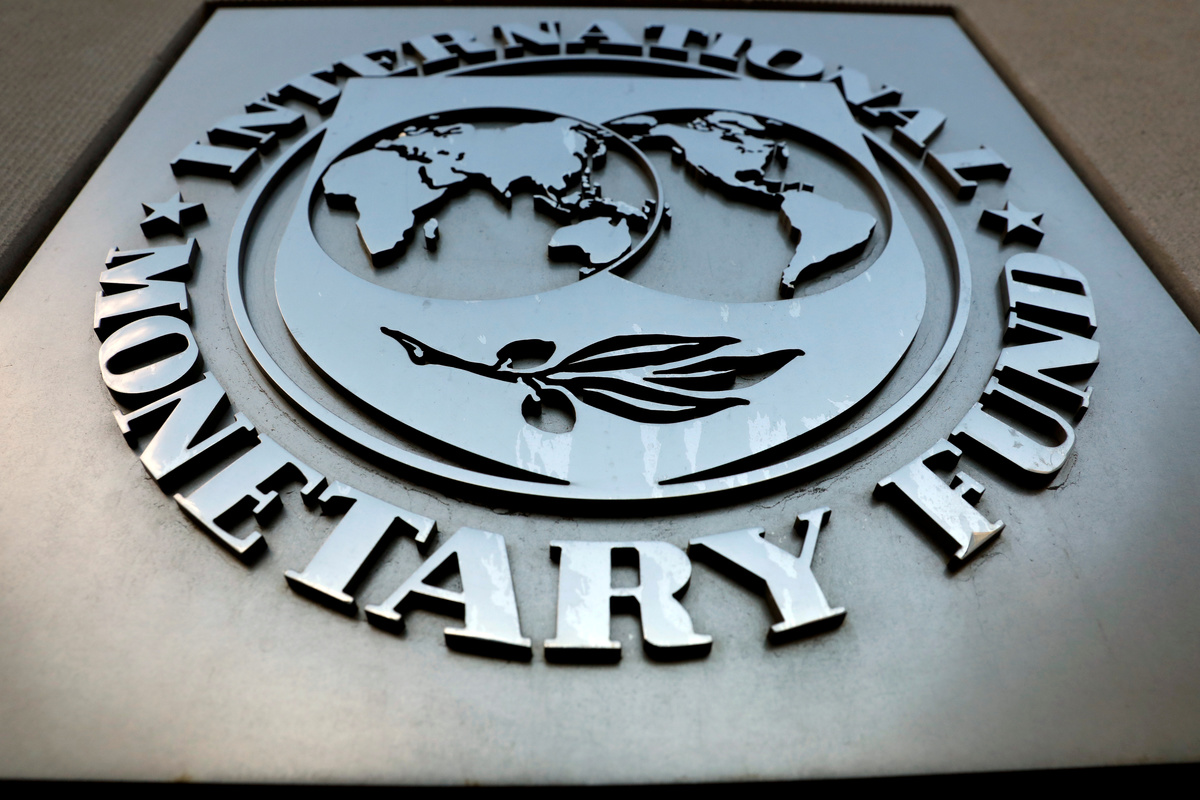
China's top official at the International Monetary Fund said on Thursday he hoped a consensus for new SDR allocation could be reached in the future despite current caution from the United States, the fund's largest shareholder.
For countries facing not just liquidity but solvency issues, the IIF proposal includes reforming the framework looking to "expedite debt restructuring on a case-by-case basis" as well as debt instruments including GDP-linked bonds.
The IIF said it is important to continue to engage with private creditors as the reforms continue to take shape.
(Reporting by Rodrigo Campos; additional reporting by Karin Strohecker and Andrea Shalal; Editing by Leslie Adler)