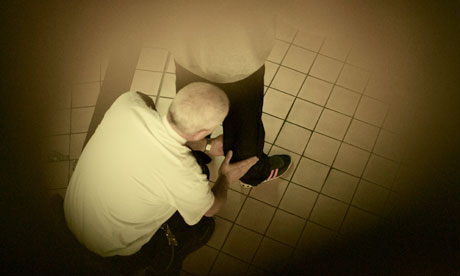
For years, I have preached the need for more media access to our prisons. My mantra reads: we know what goes on in most of our public institutions, schools, hospitals and the like; why should we be (mostly) ignorant of life behind bars? Especially when the way we treat prisoners will have a significant effect on the way they treat us when they are released.
Therefore, I watched with interest ITV's recent three-part documentary revealing life behind the walls of HMP Manchester, Strangeways.
The series, with impressive viewing figures, was always going to be a curate's egg for ex-cons like me. I knew it would be a promotional exercise for the prison service (otherwise they would not have allowed the cameras in), but it conveyed an authentic glimpse of prison life; an existence far removed from the "holiday camp" popular perception. And it showed that prison staff have a lot to put up with – well, at least while the cameras were rolling. The main pressure on staff, across the system, is the need to deal with people who should not be there; the thousands siphoned into prisons since the Thatcher government's closure of secure mental hospitals. Prison staff are not mental health nurses, and prisons – noisy volatile places – are the last place we should put those with mental health problems.
Which leads me to two bones I pick with the prison service, in respect of this programme and access in general. The second episode focused heavily on one prisoner, David Charlton, a petty offender who, seemingly, prefers Strangeways to the outside world.
Wheelchair-bound – though doctors say he can walk unaided – he engages in "dirty protests", the effects of which were made plain to viewers. In one sequence, he refuses to board a van and his trousers slip, exposing his backside.
Shots of Charlton were posted on Facebook, attracting over 150,000 viewers within days. Few, I suggest, switched on to sympathise with Charlton's sorry plight.
When prisoners are interviewed, or filmed, they must sign a consent form. The prison service says that "all prisoners identified on the programme signed a release form and that no prisoners identified had a diagnosis of mental health impairment."
My view, and those of others I have canvassed, is that Charlton was not in a fit state to give informed consent.
My second bone? For two years, I have requested journalistic access to one prisoner who claims he is a victim of a miscarriage of justice. Evidence suggests a prima facie case of innocence. The prison service are refusing access.
Its refusal flies in the face of a law lords ruling in 1999 (Simms and O'Brien). Because of that ruling, the prison service will back down when threatened with a judicial review of their unlawful decision. But why should it reach the point of threatening legal action? Because, in short, the prison service does not want journalists in its jails, except when it suits them. Here, it suits it to allow the media to trample over the dignity of vulnerable prisoners; but not allow lawful investigation of a possible miscarriage of justice. Shameful hypocrisy.