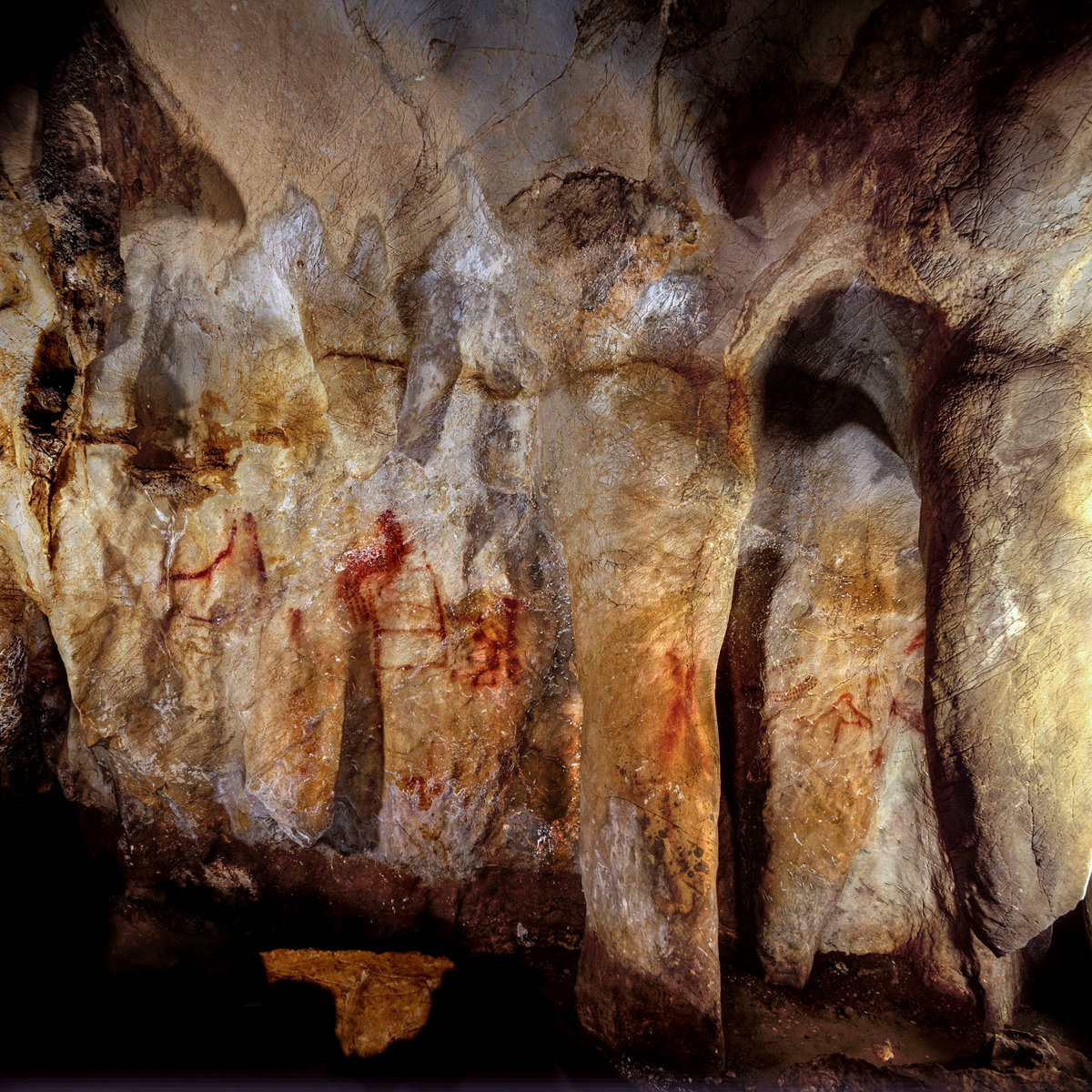
LONDON (Reuters) - The world's oldest known cave paintings were made by Neanderthals, not modern humans, suggesting our extinct cousins were far from being uncultured brutes.
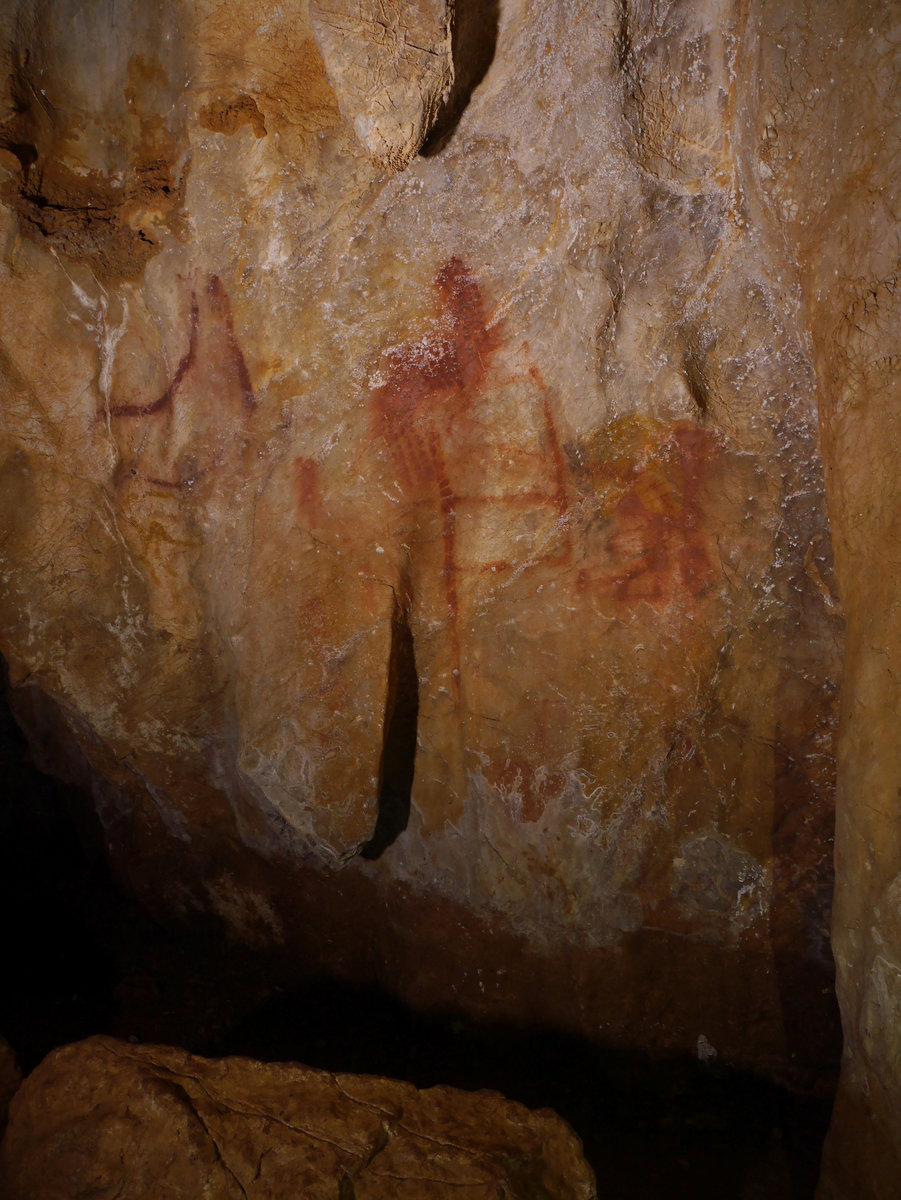
A high-tech analysis of cave art at three Spanish sites, published on Thursday, dates the paintings to at least 64,800 years ago, or 20,000 years before modern humans arrived in Europe from Africa.
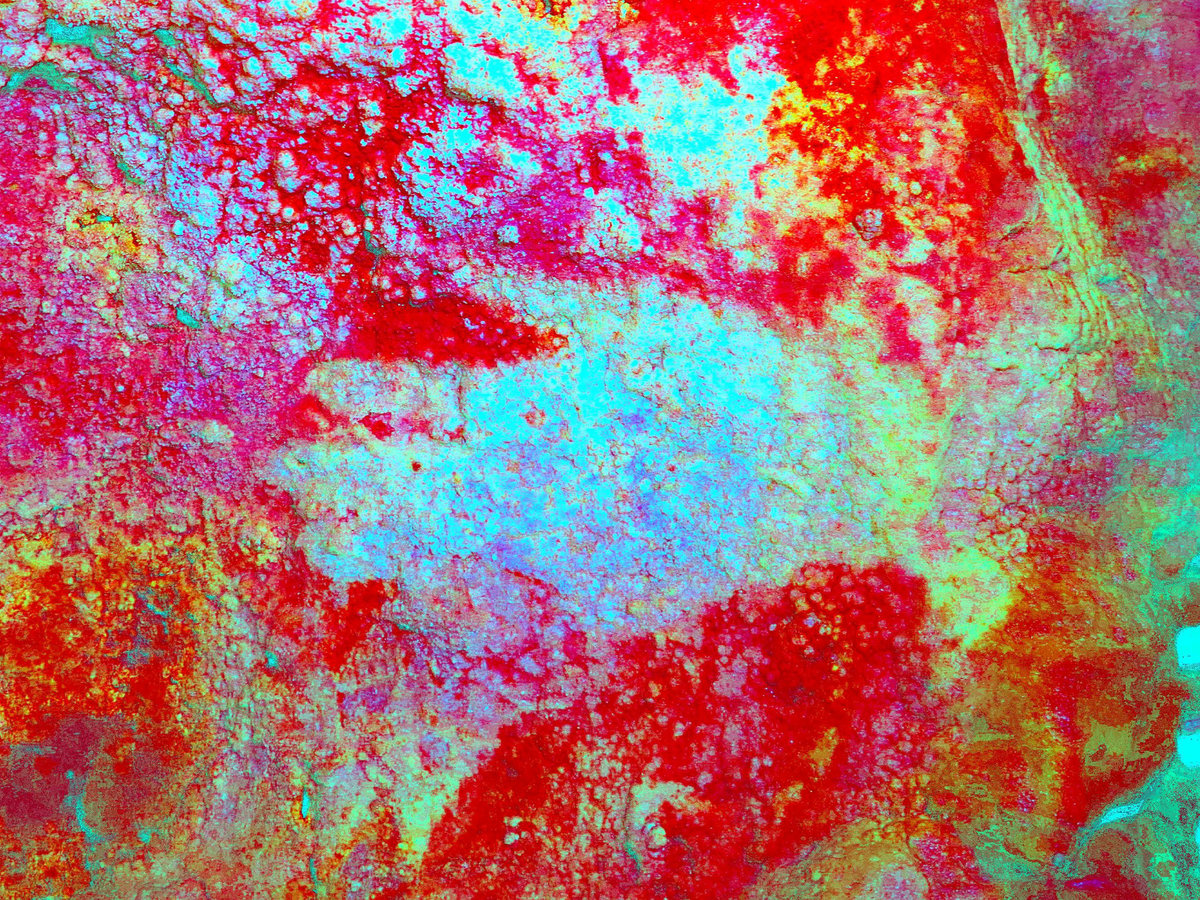
That makes the cave art much older than previously thought and provides the strongest evidence yet that Neanderthals had the cognitive capacity to understand symbolic representation, a central pillar of human culture.
"What we've got here is a smoking gun that really overturns the notion that Neanderthals were knuckle-dragging cavemen," said Alistair Pike, professor of archaeological sciences at the University of Southampton, who co-led the study.
"Painting is something that has always been seen as a very human activity, so if Neanderthals are doing it they are being just like us," he told Reuters.
While some archaeologists already viewed Neanderthals as more sophisticated than their commonplace caricature, the evidence until now has been inconclusive. With the data from the three Spanish cave sites described in the journal Science, Pike and colleagues believe they finally have rock-solid proof.
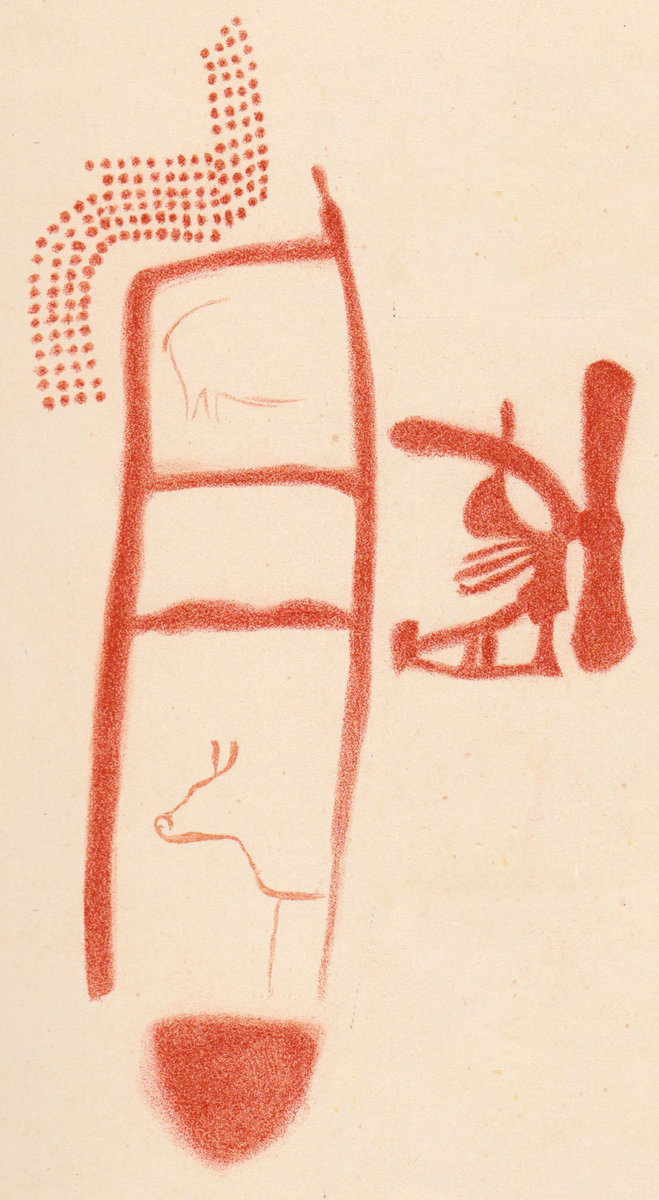
The early cave art at La Pasiega, Maltravieso and Ardales includes lines, dots, discs and hand stencils - and creating them would have involved specific skills, such as mixing pigments and selecting appropriate display locations.
The Neanderthals living in the same land that would one day give birth to Diego Velazquez and Pablo Picasso also needed the intellectual ability to think symbolically, like modern humans.
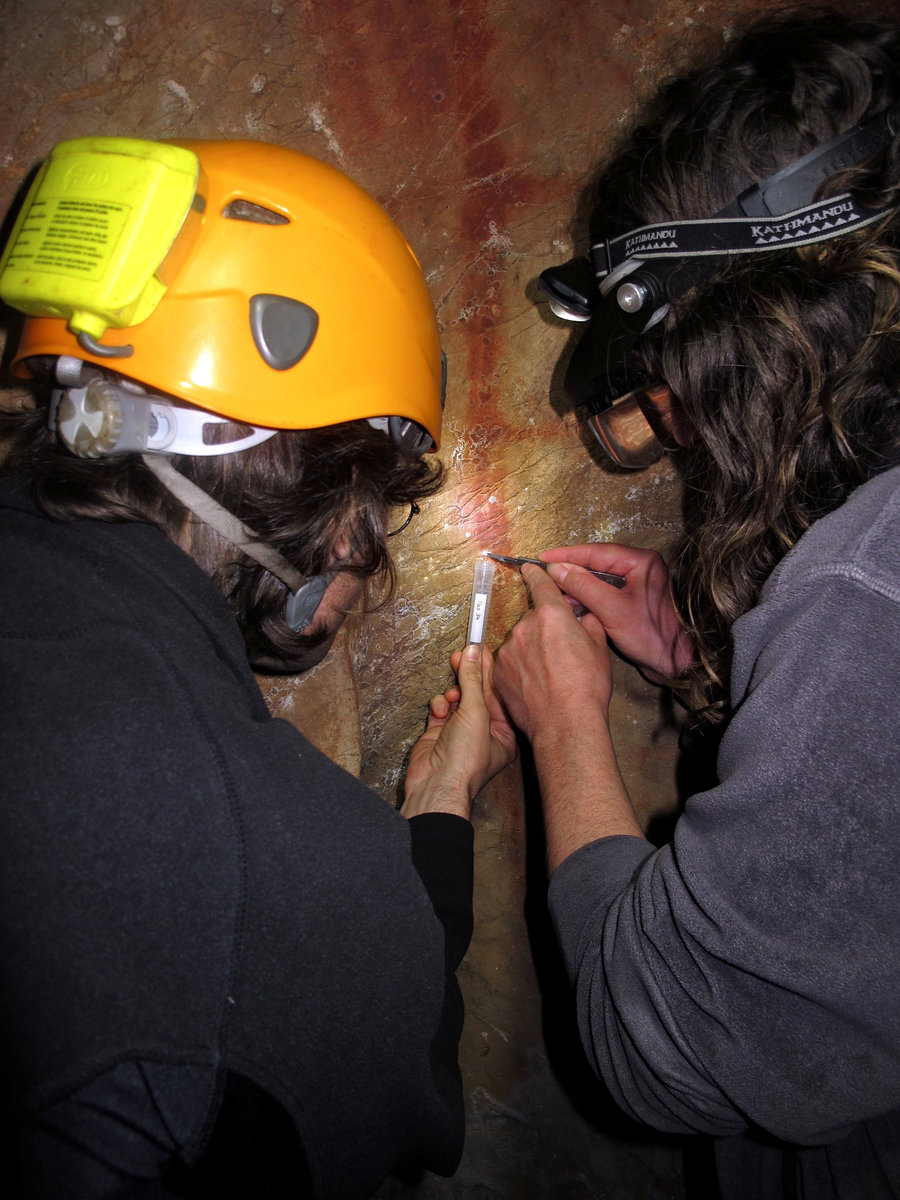
Scientists used a precise dating system based on the radioactive decay of uranium isotopes into thorium to assess the age of the paintings. This involved scraping a few milligrams of calcium carbonate deposit from the paintings for analysis.
A second related study published in Science Advances found that dyed and decorated marine shells from a different Spanish cave also dated back to pre-human times.
Taken together, the researchers said their work suggested that Neanderthals were "cognitively indistinguishable" from early modern humans.
Joao Zilhao of the University of Barcelona said the new findings meant the search for the origins of human cognition needed to go back to the common ancestor of both Neanderthals and modern humans more than 500,000 years ago.
Neanderthals died out about 40,000 years ago, soon after direct ancestors arrived in Europe. It is unclear what killed them off, although theories include an inability to adapt to climate change and increased competition from modern humans.
If they were still alive today, Pike believes they could well have gone on develop complex art and technology.
"If they had been given the time, the resources and the population, then they might have ended up in some version of the world we live in today."
(Reporting by Ben Hirschler; Editing by Alison Williams)