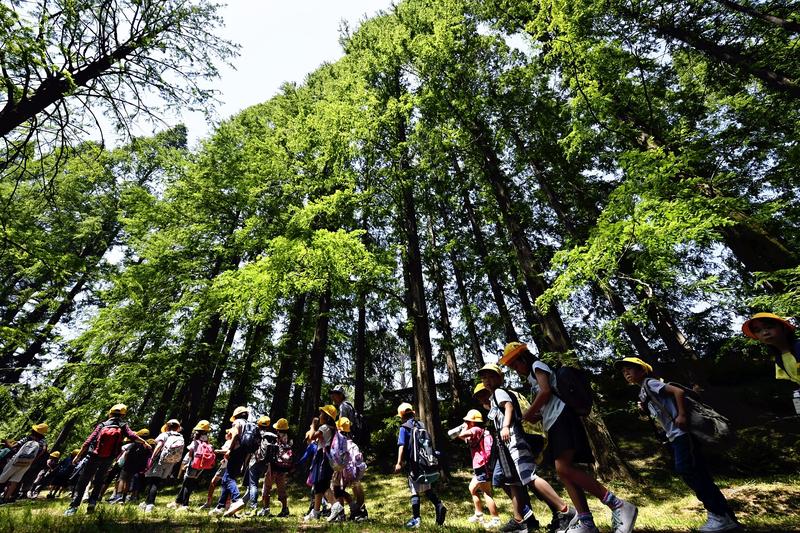
KATANO, Osaka -- Day by day, the green deepens on the trees of Osaka City University's Botanical Gardens, which protect and provide public access to trees and other vegetation from Japan and around the world.
Located in Katano, Osaka Prefecture, on an area equivalent to six Koshien Stadiums, the gardens have reproduced a "primeval forest" that used to dominate the globe. Visitors to this popular spot have the passion of generations of researchers to thank for the towering trees.
'Living fossils'
Built on the former site of the Osaka city agricultural training station and founded in April 1950, the gardens have about 450 domestic species, including camphor trees and Japanese chestnut oaks. It also raises and preserves academically significant trees and other plants from around the world.
On our visit in late May, just past the entrance we were greeted by a pond surrounded by giant coniferous trees more than 30 meters tall. These "metasequoia" are members of the cypress family that grew throughout the northern hemisphere starting about 70 million years ago.
The dim glade created an extraordinary environment, as if a dinosaur was about to emerge.
The gardens were filled with kindergartners on field trips, guided tour groups and sketch artists.
Kazuyo Aizawa, a 75-year-old housewife from Uji, Kyoto Prefecture, was on her first trip to the gardens. "Enveloped by this quiet, I feel like I've really stumbled into a primeval forest," she said contentedly as she painted a watercolor.
Metasequoia were thought to have gone extinct about 900,000 years ago, but in 1946 an extant species was found growing in China, becoming famous as a "living fossil."
"The appeal of our botanical gardens is that they don't just contain modern forests, but even restorations of past ones," said Toshihiro Yamada, 43, director of the gardens.
Spreading seedlings
The "godfather" of the metasequoia is Dr. Shigeru Miki (1901-74), who was the third director of the gardens. Dr. Miki discovered the new genus among plant fossils found in Gifu Prefecture and elsewhere, naming it in 1941.
One hundred metasequoia seedlings grown by an American researcher using seeds from the extant species found in China were donated to the gardens a month before it opened. Miki and others formed a metasequoia preservation society to increase their number, which were planted on roadsides and elsewhere.
Nobuyuki Sakazaki, 93, of Takarazuka, Hyogo Prefecture, was involved in distributing these seedlings as an assistant at the university.
"Seedlings that were about 50 centimeters tall have turned into large trees. Every time I visit the gardens I'm surprised. Back then I was so busy with packing seedlings into cardboard boxes to send off I had no time for research," he recalled.
Endangered zone
In 2018, the gardens' efforts to preserve important plant species were recognized when the environment minister selected it as the nation's first "accredited botanical gardens for preserving rare species."
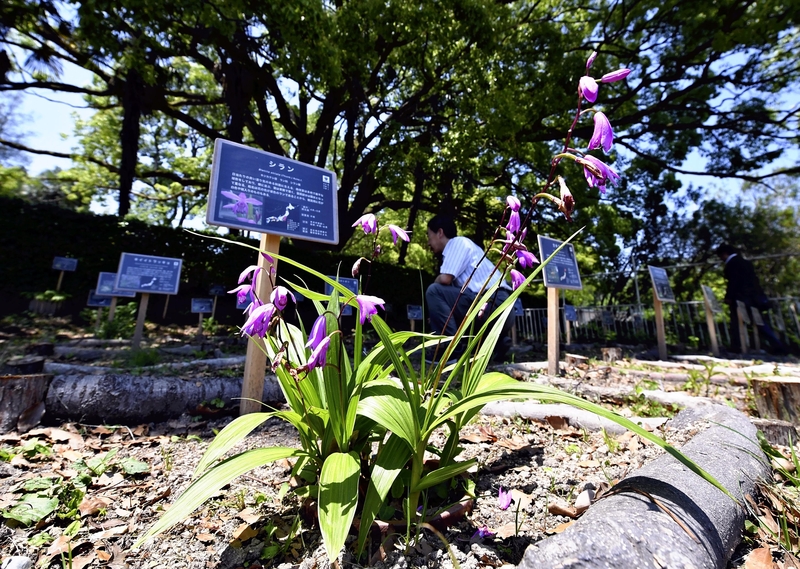
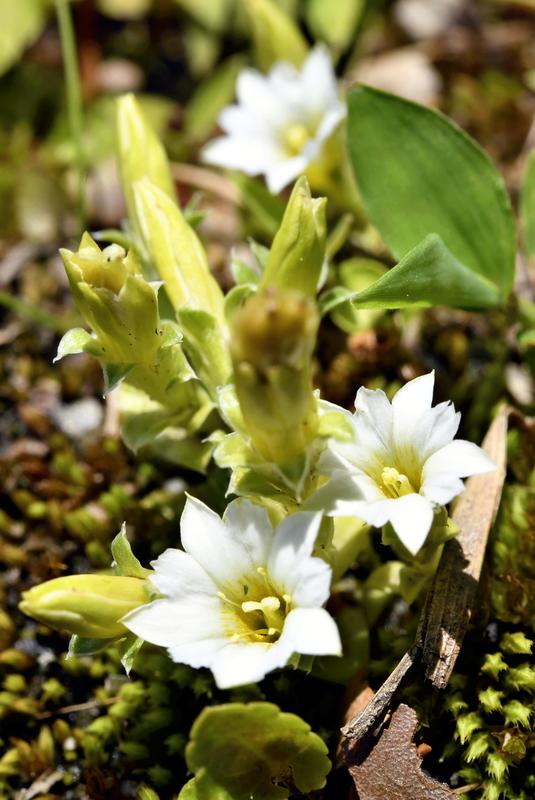
In April, the gardens built an area for plants from western Japan that are threatened with extinction. Species such as Bletilla striata, a beautiful flowering member of the orchid family, and about 40 others can be seen under the open sky.
Another example is Eupatorium japonicum, one of the "seven flowers of autumn." The plant has been designated as near-threatened species by the ministry in its "Red Data Book."
Director Yamada wants everyone to know that some plants that used to be everywhere are now nearly extinct. "Plants play a most important role in supporting ecosystems. My mission is to get young people to fall in love with plants so we can foster the next generation of researchers." That dream feels as grand as a metasequoia.
-- Access
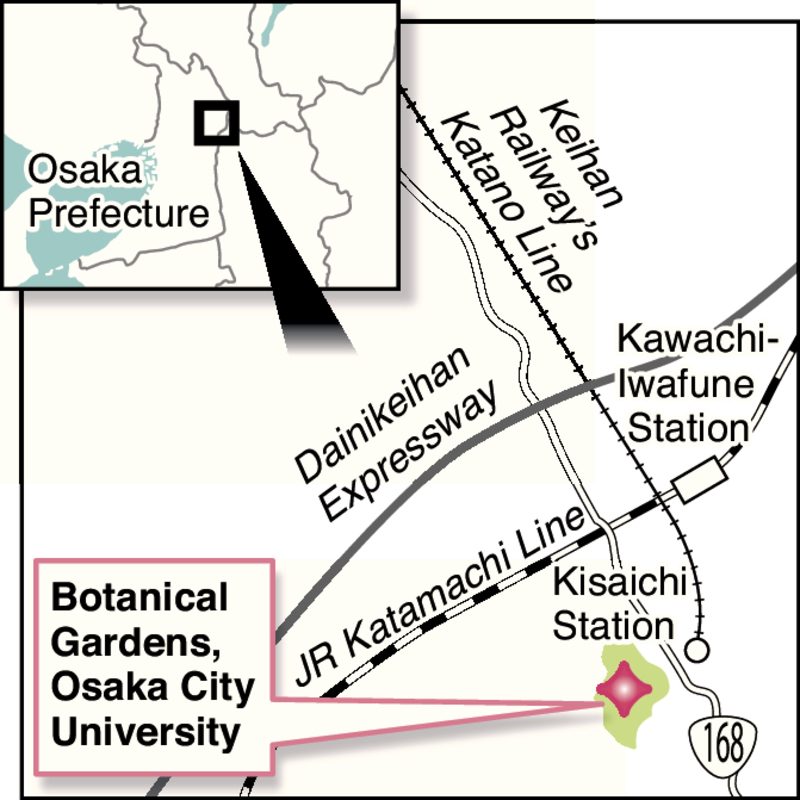
The Botanical Gardens of Osaka City University are a six-minute walk from Keihan Railway's Kisaichi Station. Open from 9:30 a.m. to 4:30 p.m. every day except Mondays. One of the gardens' areas has about 250 of the about 600 trees grown in Japan, arranged in order from evergreens, to deciduous, to conifers. Entrance is 350 yen for adults and free for junior high school students and younger. For more information, call (072) 891-2059.
Read more from The Japan News at https://japannews.yomiuri.co.jp/