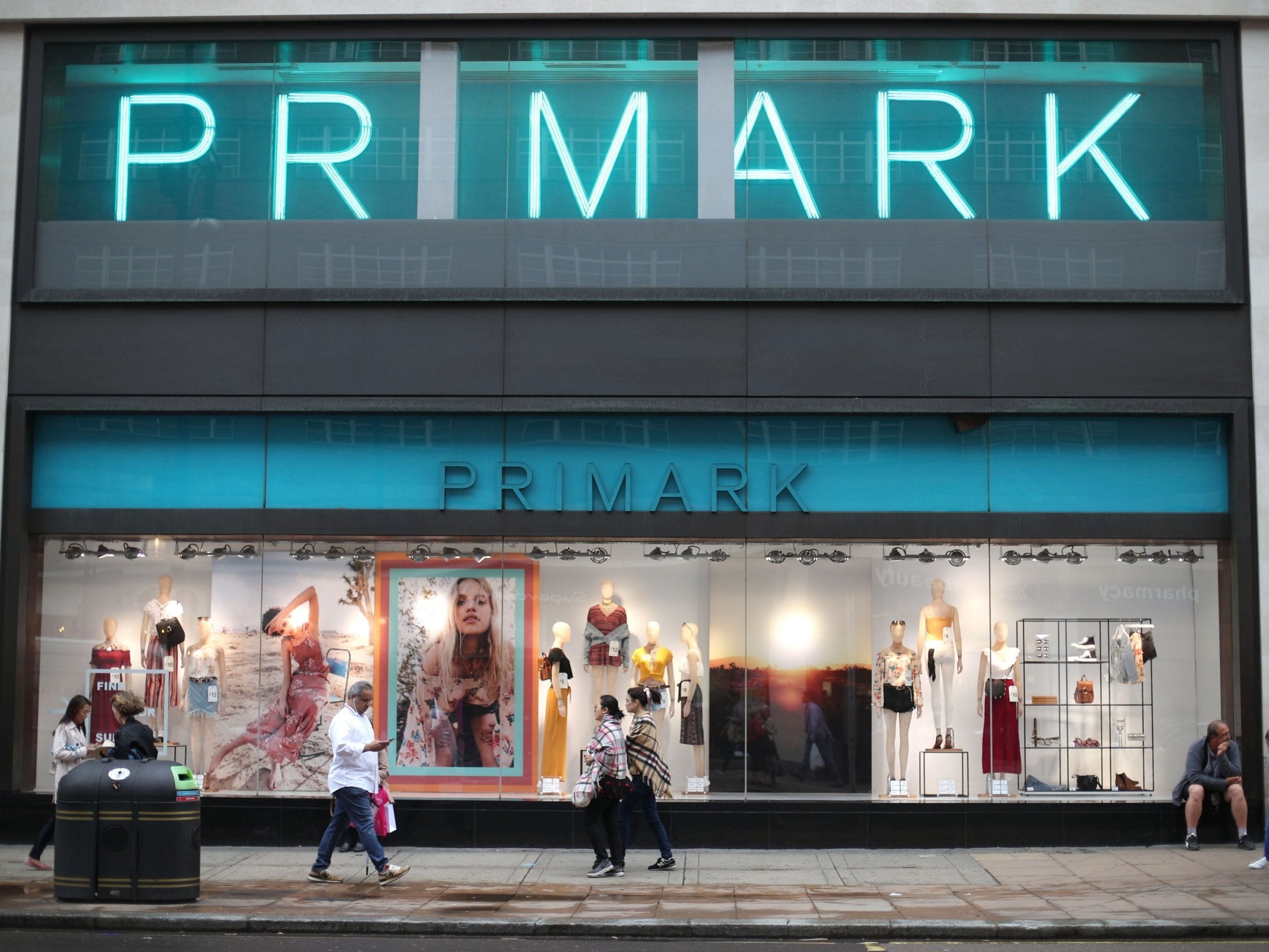
Primark has served as the face of fast fashion for several years now. And that isn’t changing – even though it doesn’t sell online at a time when clicks are replacing bricks at such a rate that Britain’s high streets might soon resemble the ghost towns of America’s rust belt.
The chain’s festive trading update, given pride of place by owner Associated British Foods (its other agricultural operations are a lot less exciting) was, it’s true, a bit of a mixed biodegradable bag. Overall sales were up 4 per cent, but in the UK the figure was just 1 per cent. The rise was in spite of all the fuss at the tail end of last year about how destructive fast fashion can be.
The growth largely came from new space. There was no figure given for the performance of existing stores, the industry standard like-for-like sales that retailers not named Next mostly serve up. We were only told that it was somewhat lower.
So, coming a day after a bravura set of numbers for the queen of internet fast fash boohoo.com, Primark was left looking a bit like a maml (middle aged man in lycra) labouring up the hill on a city tourer as the kids zoom past on their mountain bikes.
But that’s what happens when businesses reach Primark’s vast size, and the numbers showed that this maml still has pedalling power.
Overall, the clothing market has shrunk. But Primark has a bigger piece of the smaller pie. So all that bad publicity the industry endured when MPs on the Environmental Audit Committee tore into the industry’s bigwigs? Pfah. It doesn’t appear to have had much impact on the Primark brand.
Cheap fashion produces mountains of waste, parts of which can’t easily be disposed of. But understanding of this is proving slow to percolate beyong the usual suspects who care about this sort of thing, and wouldn’t shop at Primark anyway.
The contraction in the clothing market has been driven not by environmental concerns and bad publicity but by economic factors; stagnant wages, a lack of disposable income among consumers, the realisation that borrowing to buy is a zero sum game – and Brexit fears.
Campaigners therefore have their work cut out. They’ll just have to keep clamouring.
Primark won’t be happy. It gets nettled when it is portrayed as some kind of supervillain and it has also been tagged as the poster child for many of the industry’s other ills, notably the exploitation of workers who produce its threads and get paid pennies for doing so.
In some respects this is understandable. There are others with fancier names and wares that behave far worse, whether towards workers or limited efforts to combat the environmental impact of their activities.
But that’s what happens when you’re the big dog – and Primark is only getting bigger. Outside of the supermarkets, UK retail looks positively corpse like. The jewel in Associated British Foods’ crown is alive and kicking.
So it’s just going to have to put up with taking shots. I imagine its executives will feel they can weather the storm come bonus time, even if does mean more dressing up for dressing downs in front of parliament TV cameras.