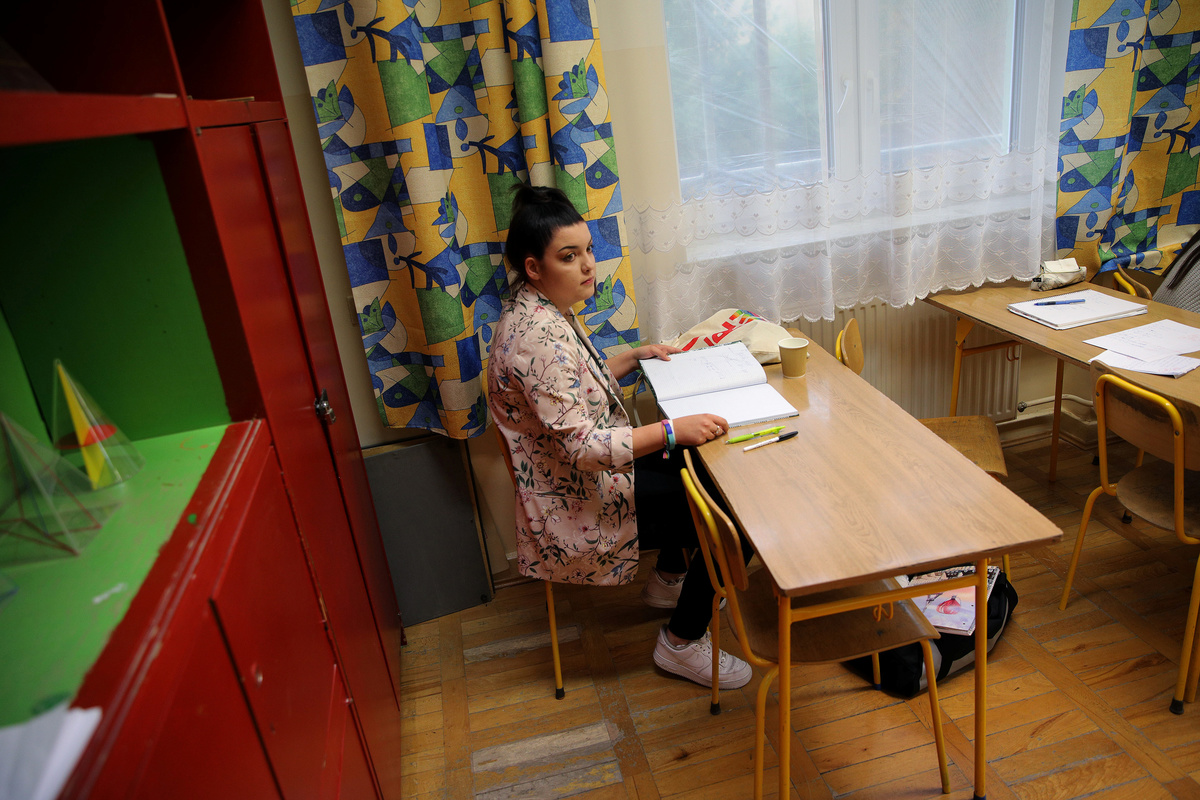
LUBLIN (Reuters) - Alicja Sienkiewicz was attending a gay pride event in the Polish city of Bialystok in July when a group of young men shouting expletives surrounded her wheelchair and hurled firecrackers.
The 18-year-old student and gay-rights activist said she witnessed the group beating and kicking some parade participants and hurling homophobic insults, prompting police to intervene.
"I've never been subject to this level of aggression before," said Sienkiewicz, who was temporarily wheelchair bound while recovering from an ankle injury. "It was a very traumatic experience for me."
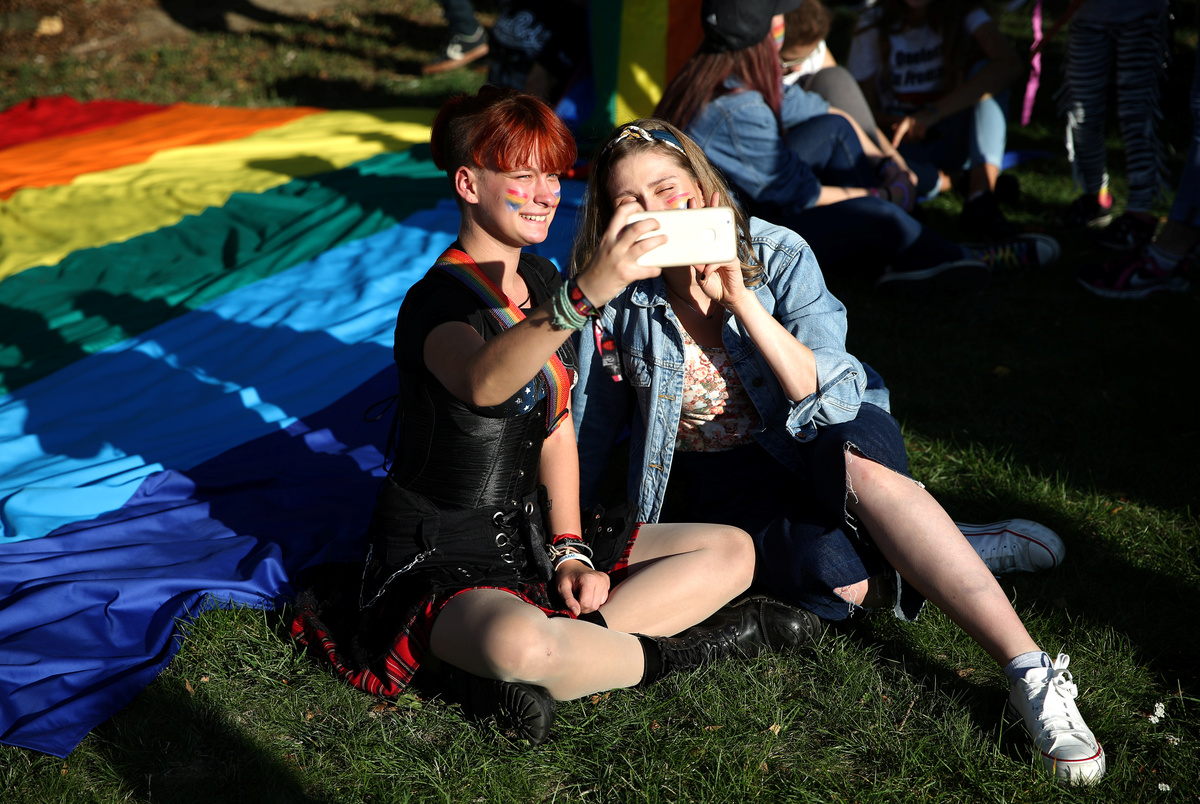
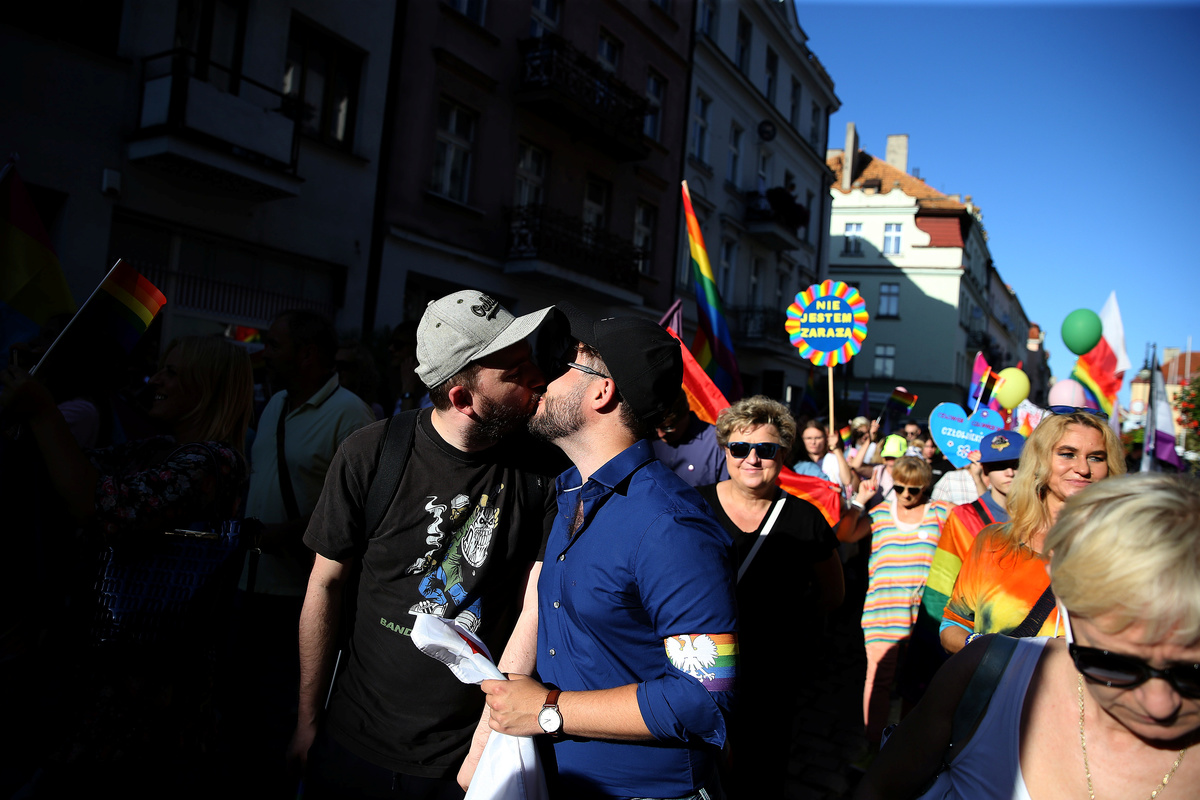
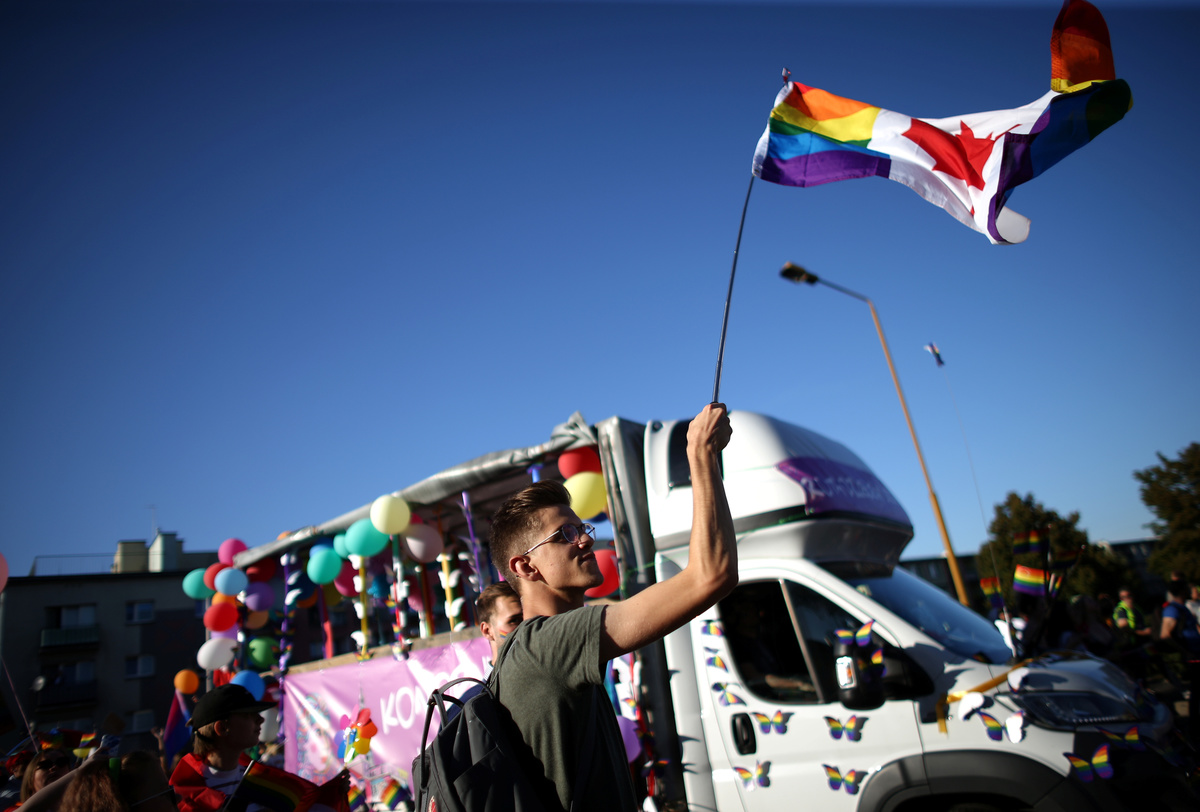
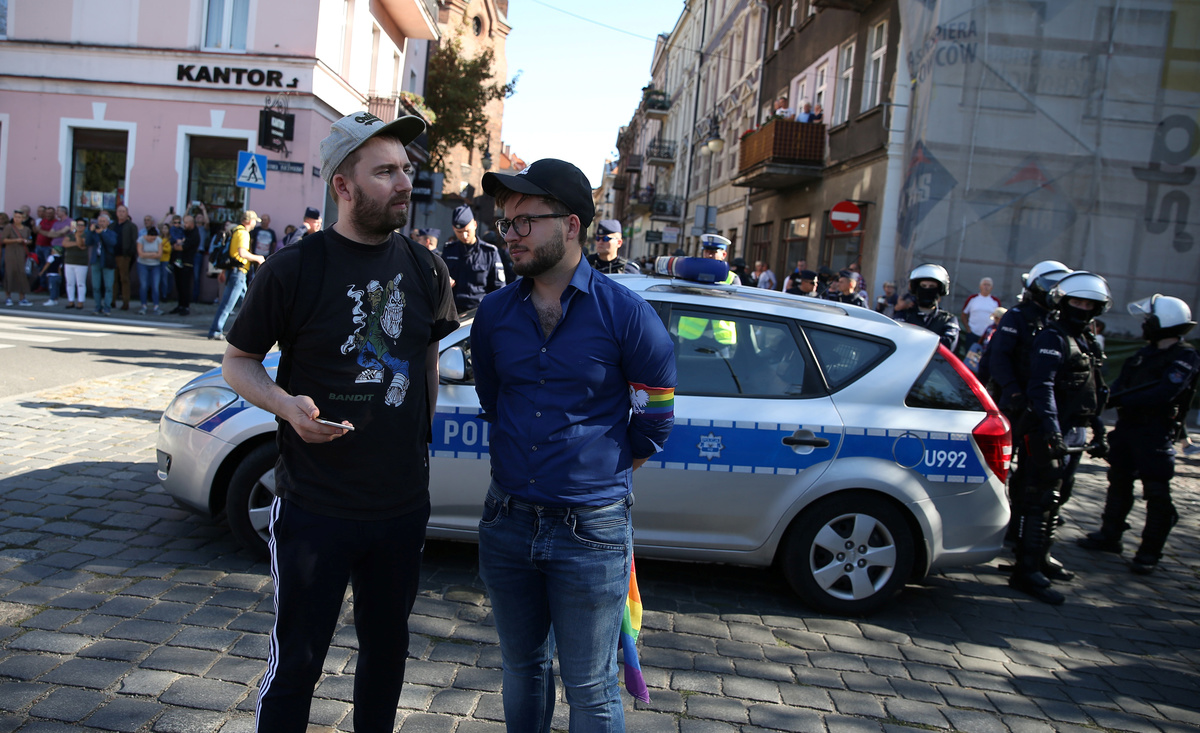
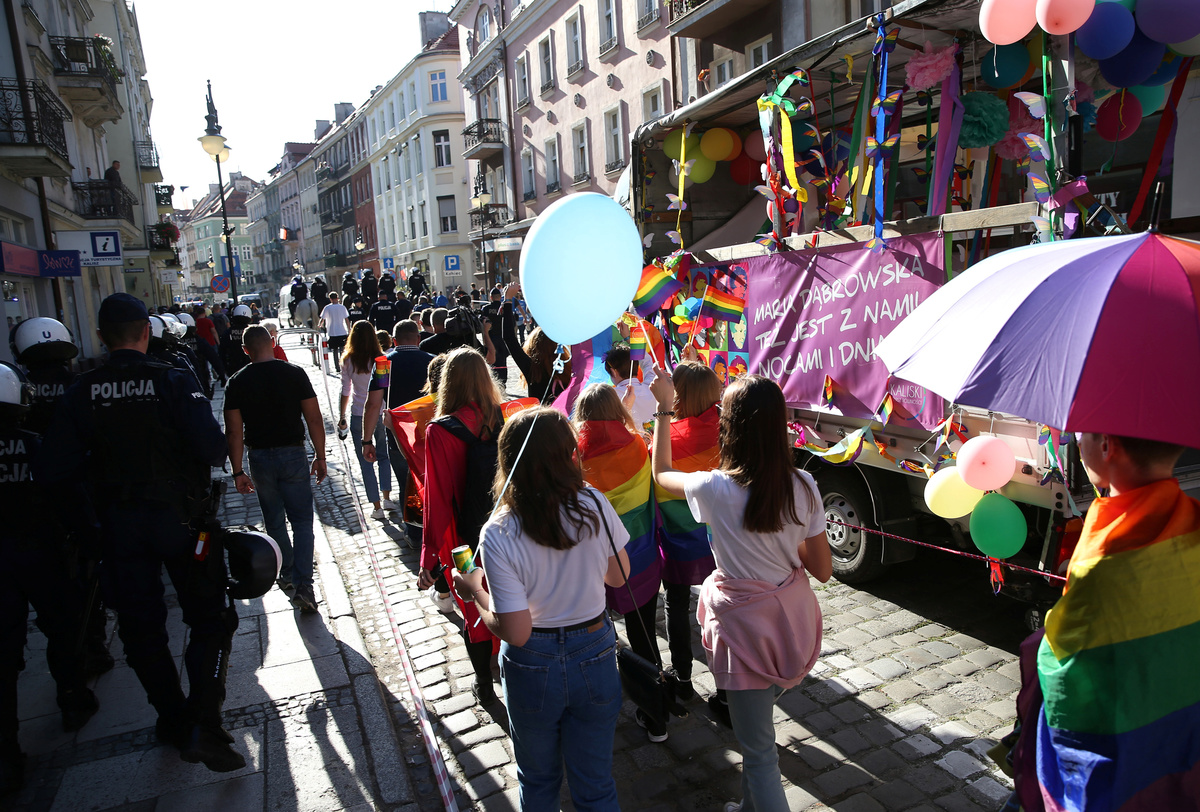
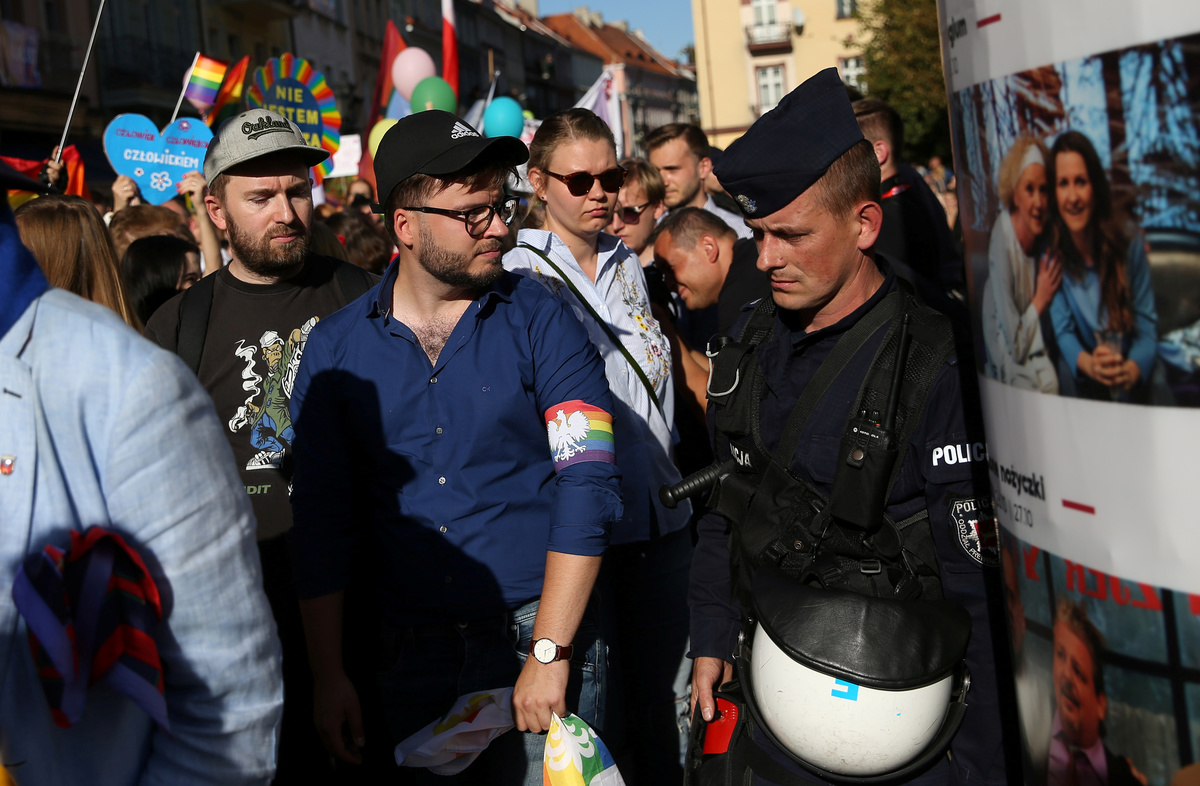
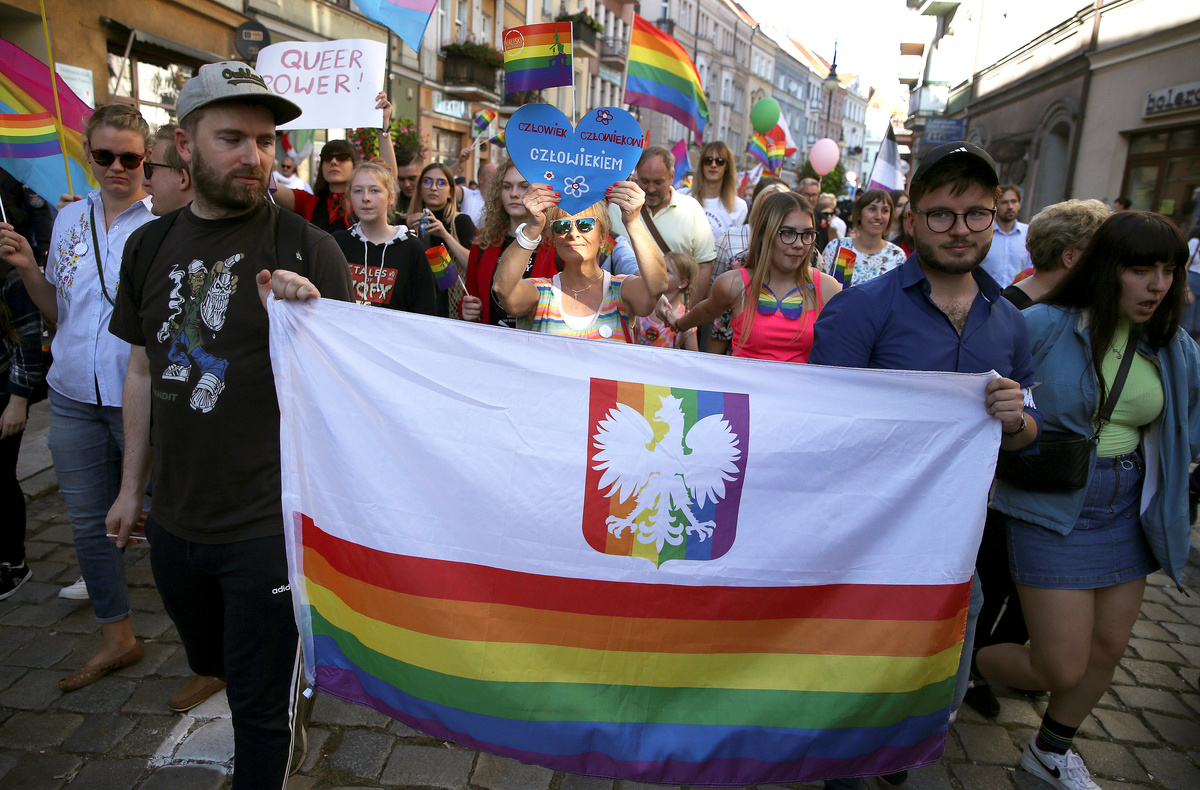
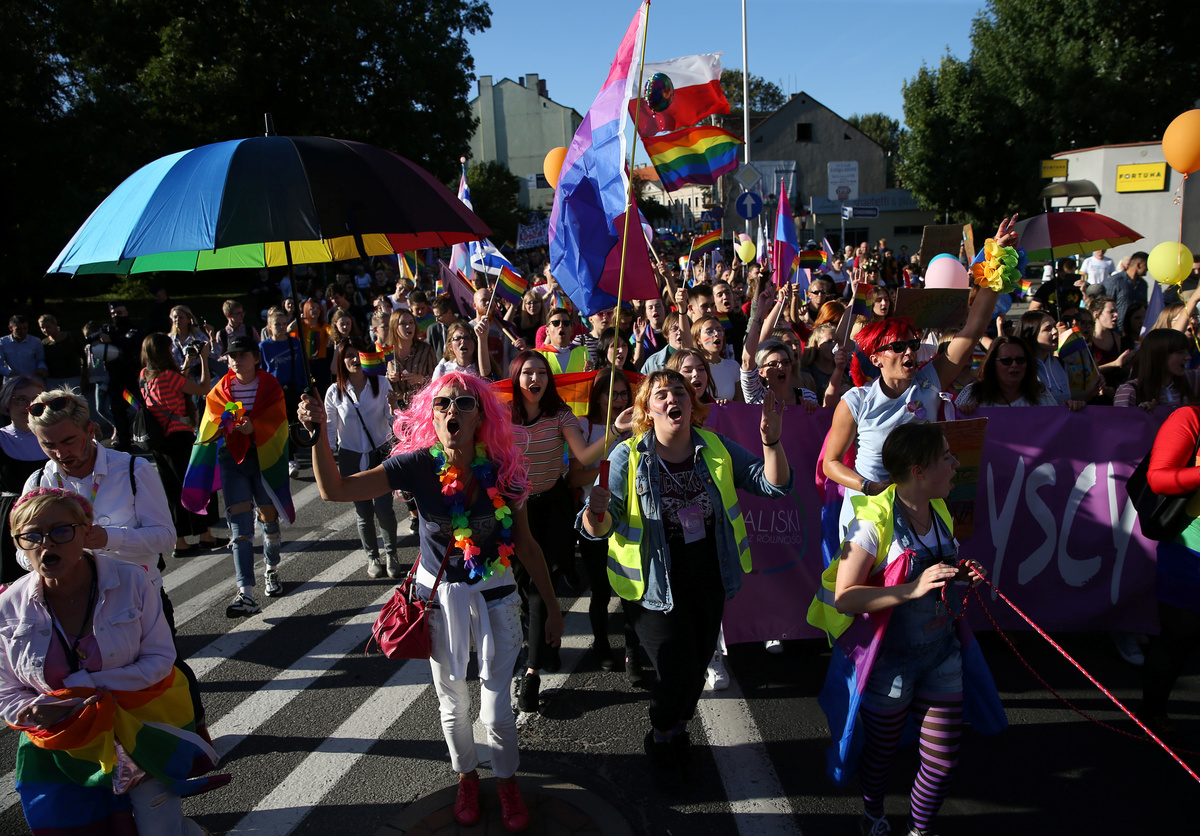
In Poland, which doesn’t recognize any form of same-sex union, parades to celebrate lesbian, gay, bisexual and transgender (or LGBT) life have become violent flashpoints ahead of an October 13 general election.
The ruling Law and Justice party (PiS) has made “LGBT ideology” a key issue in its election campaign, saying it is an invasive foreign influence that undermines traditional values in staunchly Catholic Poland. Party leader Jaroslaw Kaczynski has publicly urged Poles to resist the "traveling theater" of pride parades and described the LGBT movement as "a real threat to our identity, to our nation and to the Polish state."
Human rights activists and some Poland specialists say the party is fomenting homophobia to fire up its conservative base ahead of the election. The LGBT community has responded by organizing more events, including a parade planned for this Saturday in the city of Lublin in southeastern Poland.
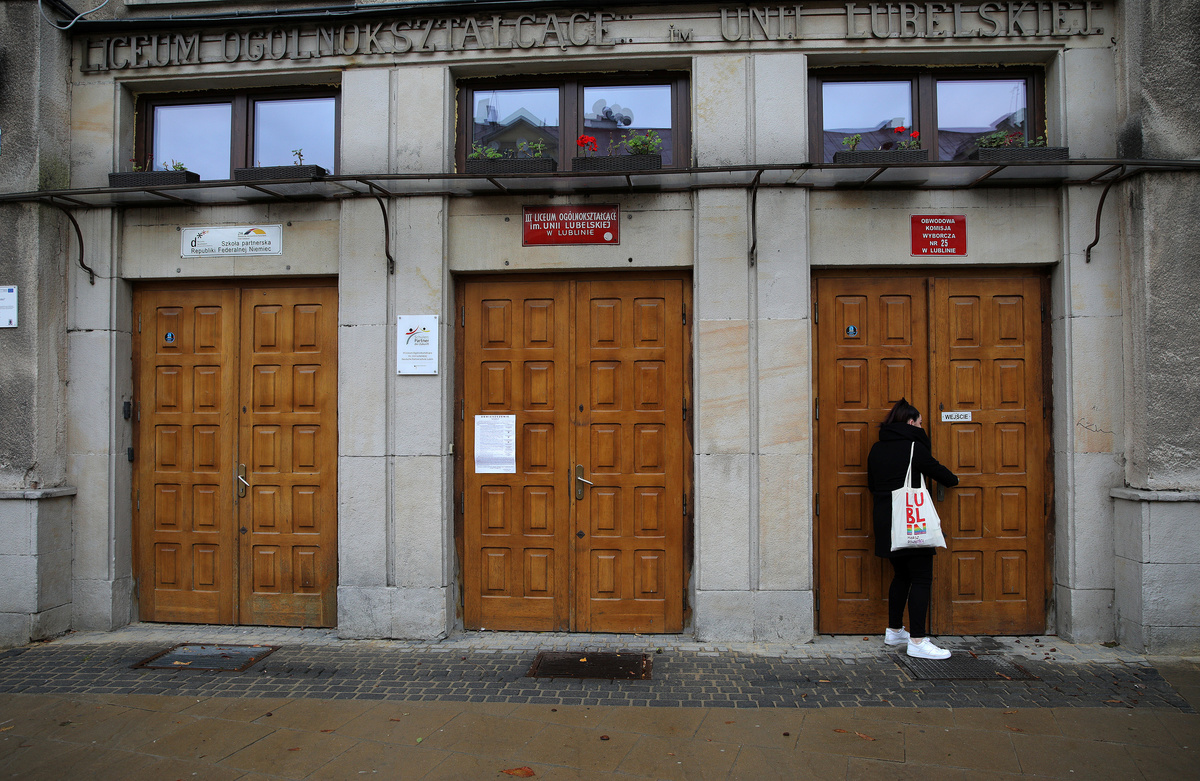
On Tuesday, Lublin’s mayor banned the parade, citing security concerns following violence that accompanied an LGBT event in the city last year. Parade organizers responded by challenging the ban in District Court in Lublin, which on Thursday overruled the mayor’s decision. The mayor plans to appeal, his spokeswoman said.
A PiS spokeswoman did not respond to requests for comment from the party and its leader. A government spokesman did not immediately respond for a request for comment.
PiS officials have previously said they are not against gay couples, they just want them to exist as couples in private. Of the party's focus on LGBT issues, one senior party member said it was responding to public opinion.
A comfortable election victory next month by PiS, which has a comfortable lead in the polls, would give it a mandate to further reshape Poland in its conservative image.
“SCAREMONGERING”
Poland has allied itself with other right-wing governments in Europe such as Hungary’s to fight what it sees as EU attempts to impose liberal, Western values on Eastern European nations.
PiS was elected four years ago promising a raft of socially conservative policies. Some observers say they see parallels with the 2015 campaign, when the party deployed anti-immigrant rhetoric.
“Scaremongering about 'LGBT ideology' has almost become official policy in Poland with often nasty insinuations from members of the government and public media now the norm,” said Stanley Bill, a lecturer in Polish culture and politics at Britain's University of Cambridge in the UK.
He said PiS was targeting its conservative base in an effort “designed to mobilize them to actually get them out to vote.”
A recent poll published by London-based market research firm Kantar Group for a Polish newspaper found a majority of those surveyed said they opposed LGBT marches and more than a third would like to see them banned. The survey was conducted this month and based on 1000 respondents.
"In Poland we are currently dealing with a kind of massive attack on values that are close to us - on our family, on Christian values, on the Church, on the basis of patriotism, on our homeland,” said Marcin Romanowski, a deputy justice minister and PiS candidate for a constituency near Lublin.
"ANGER IN SOCIETY"
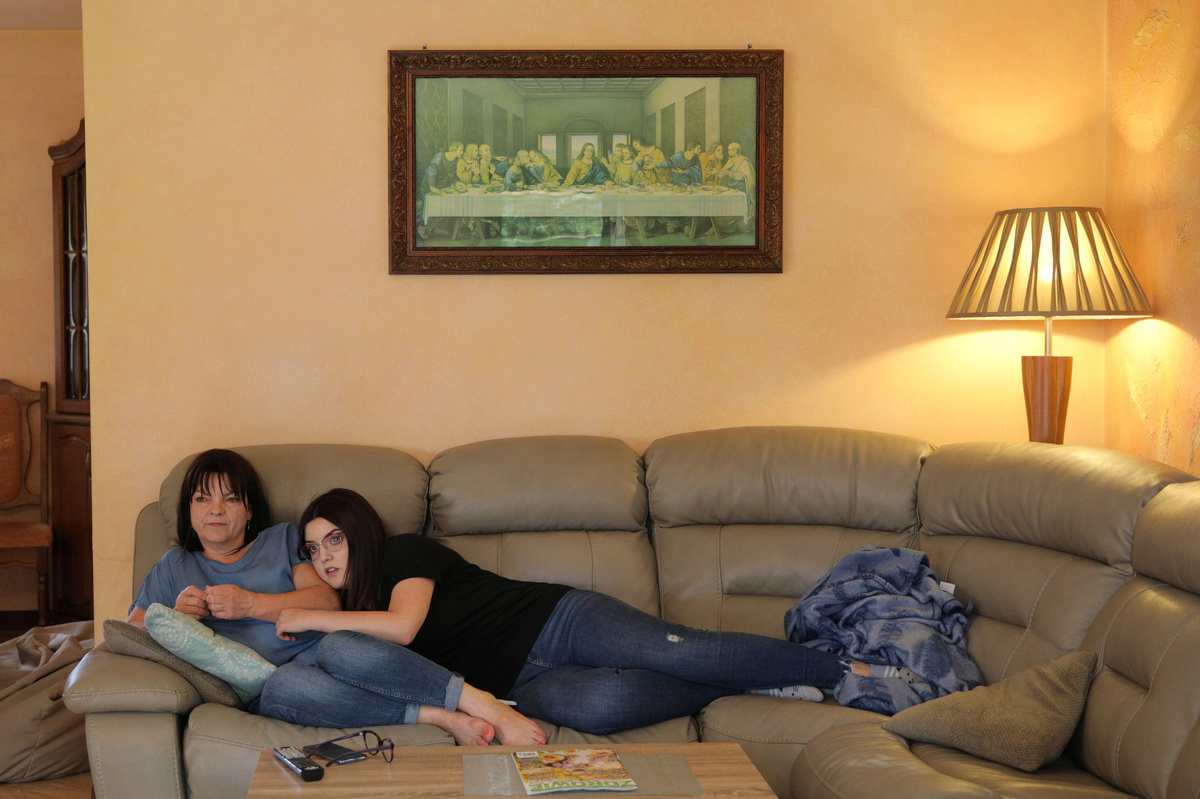
Organizers of the LGBT parade in Lublin – the city’s second ever – say they hope will still go ahead as scheduled on Saturday, citing a similar attempt by the mayor to ban last year’s event that was overruled by the Court of Appeal days later.
If it does go ahead, they are braced for trouble. More than 3,000 people signed an online petition urging the mayor to stop the event and its "provocative, aggressive and vulgar" participants.
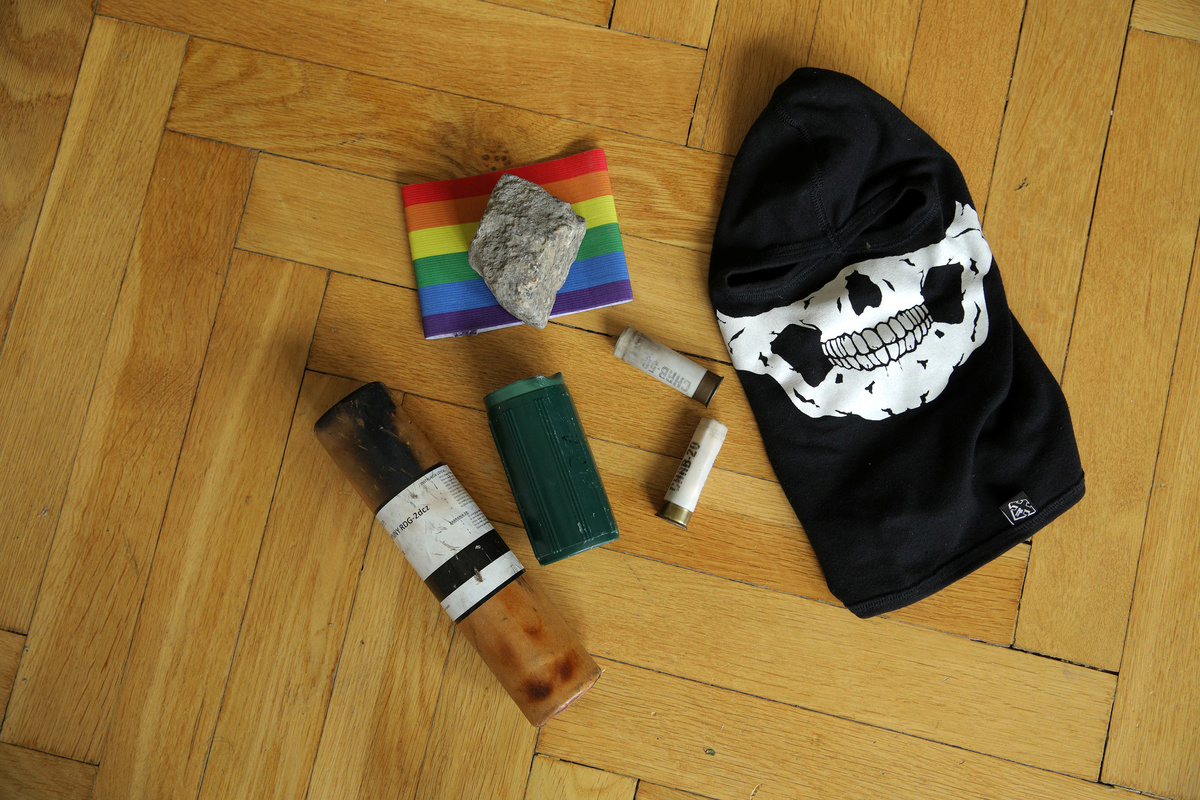
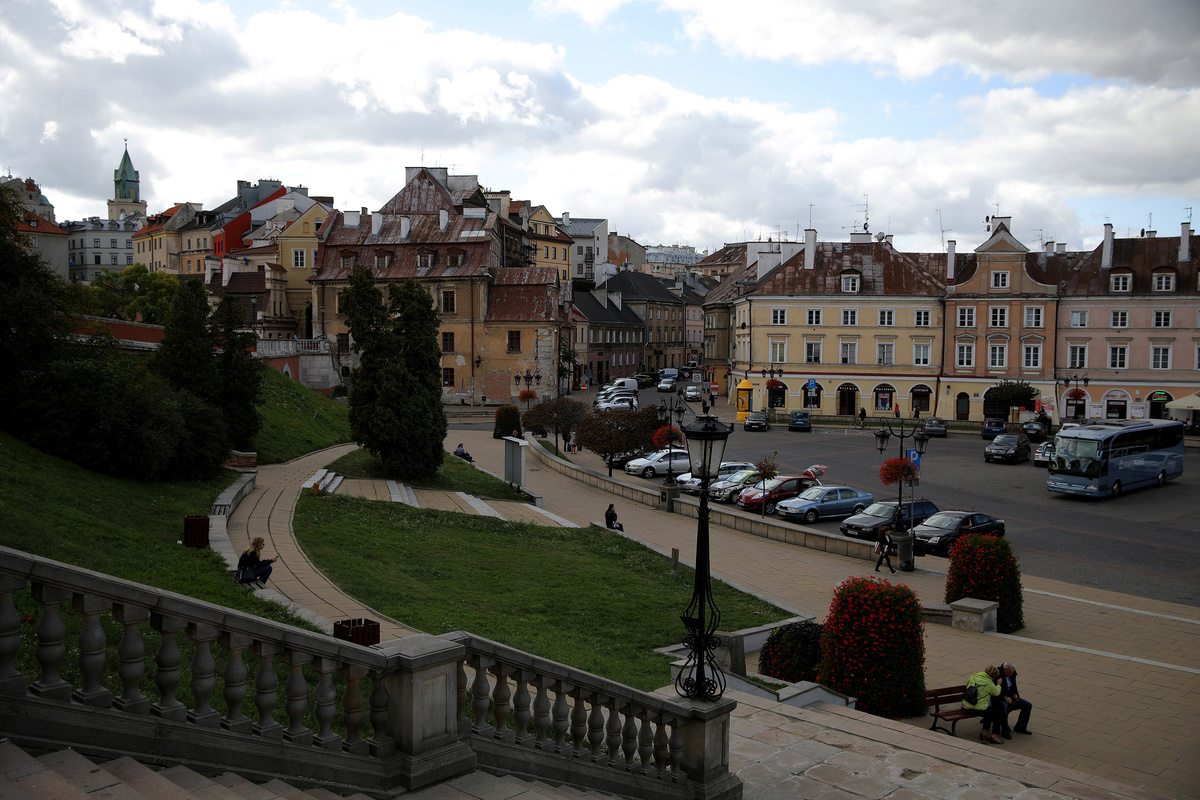
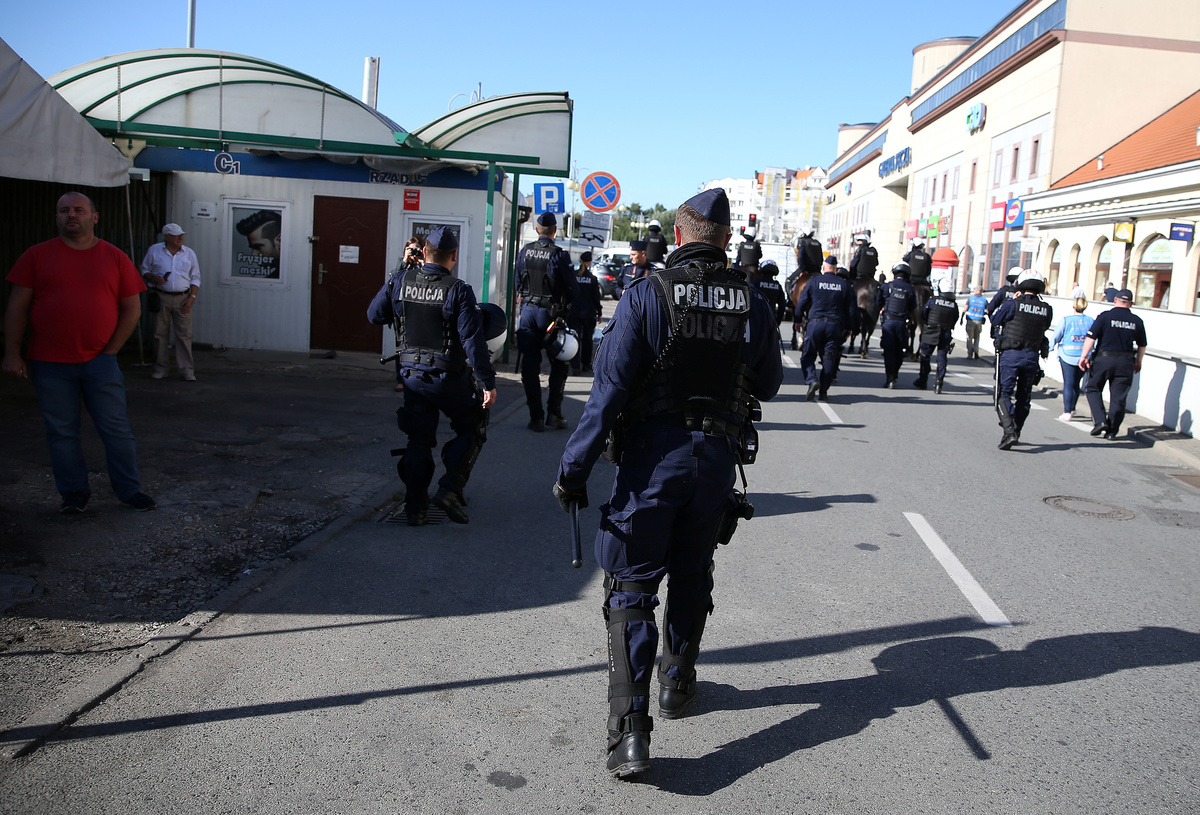
The previous parade in October 2018 drew crowds of protesters who pelted parade participants with rocks, flares and tomatoes as they progressed from the steps of Lublin castle up through the city's old town. Riot police responded with pepper spray and water cannons to clear a path through the protesters. The roughly 1,000 parade attendees were matched by a similar number of protesters.

Among those who protested Lublin's parade in 2018 were members of the Ruch Narodowy, or National Movement, a right-wing group that says it vehemently opposes gay rights.
Rafal Mekler, head of the National Movement’s Lublin chapter, told Reuters that his group wasn't to blame for last year's violence, and it wasn’t looking for confrontation on Saturday.
But, he said, he wasn't responsible for the "huge movement of normal people" who opposed the march. "There is anger in society and we cannot stop (it).”
SAFETY MEASURES
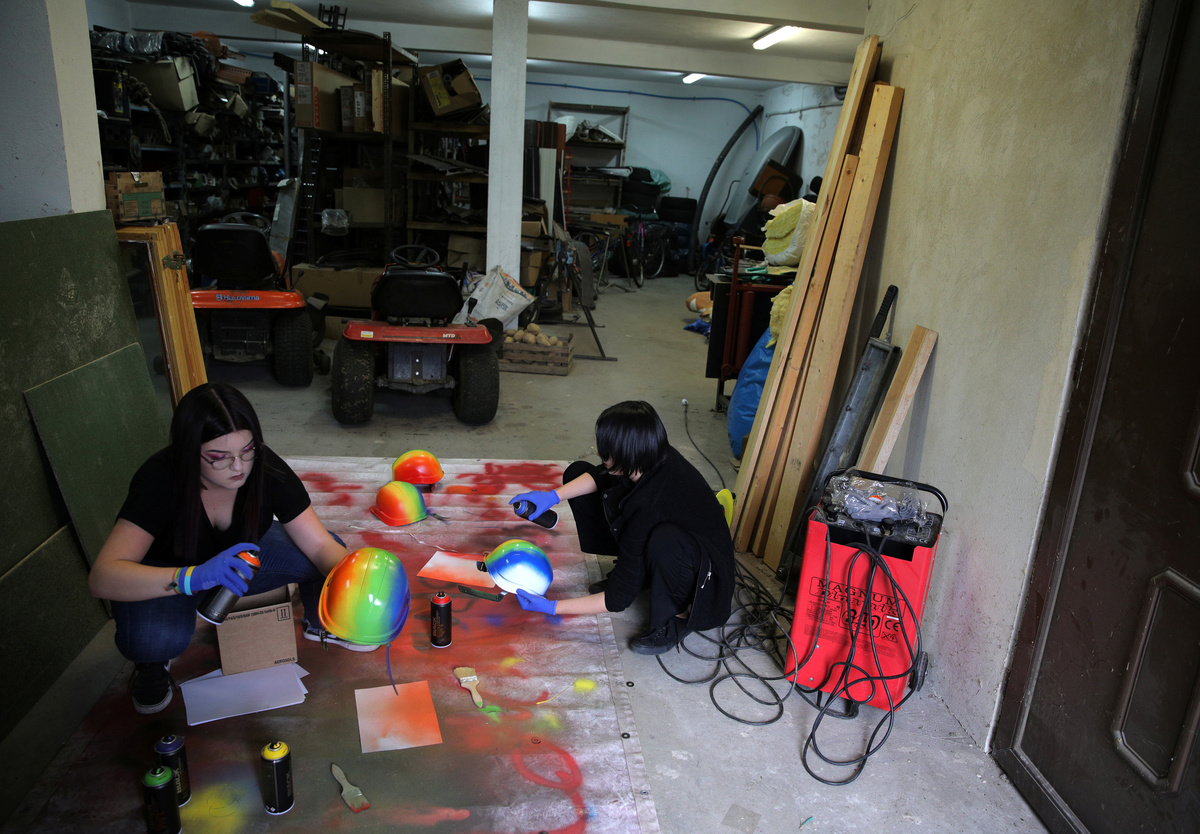
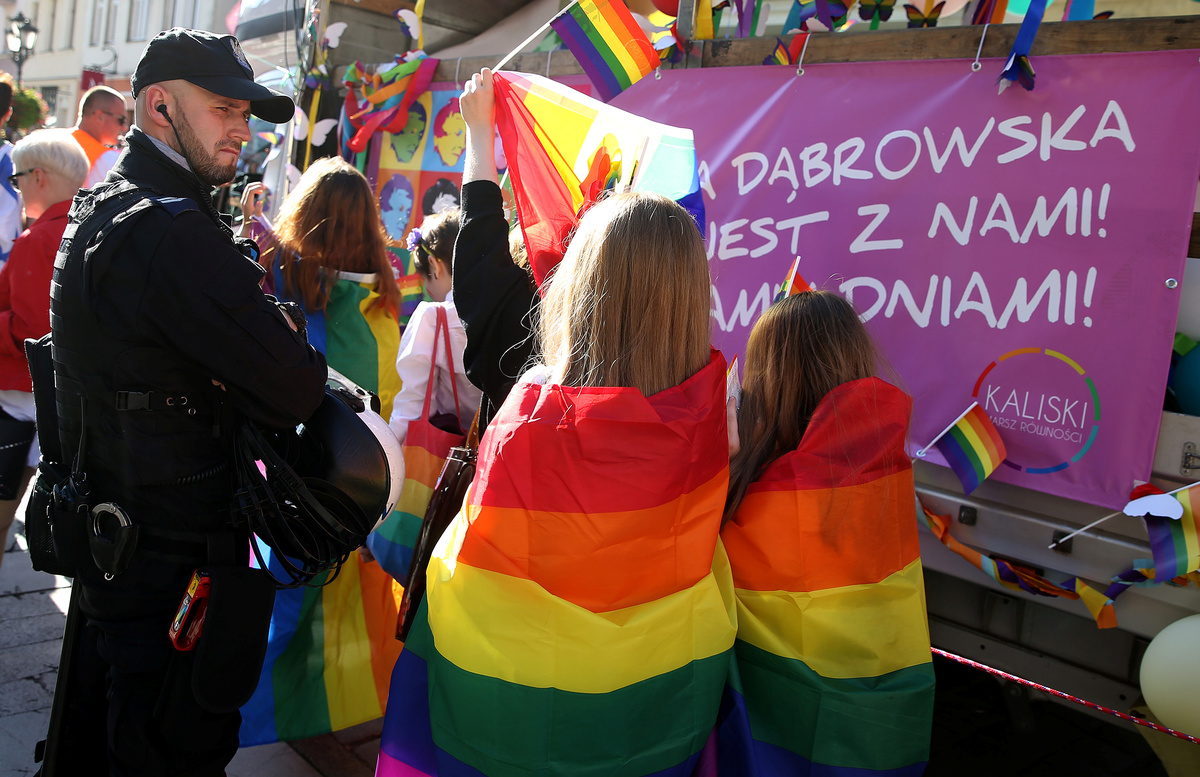
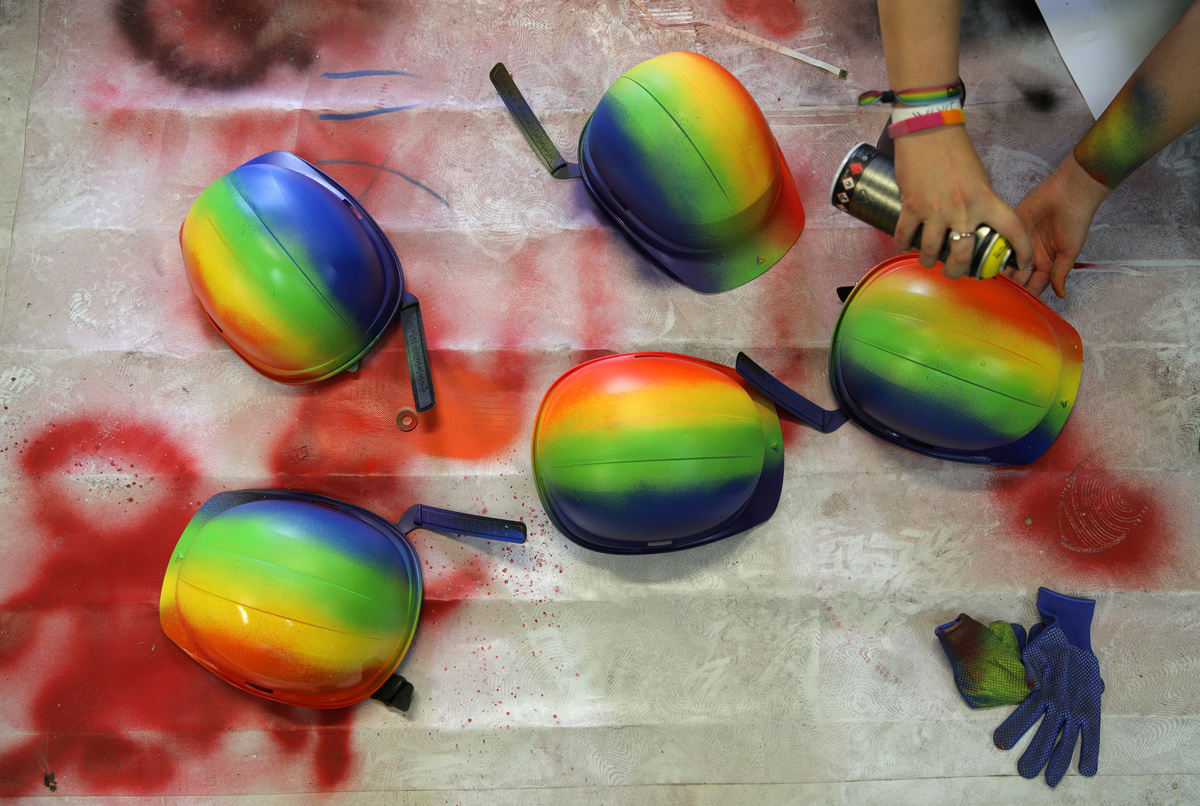
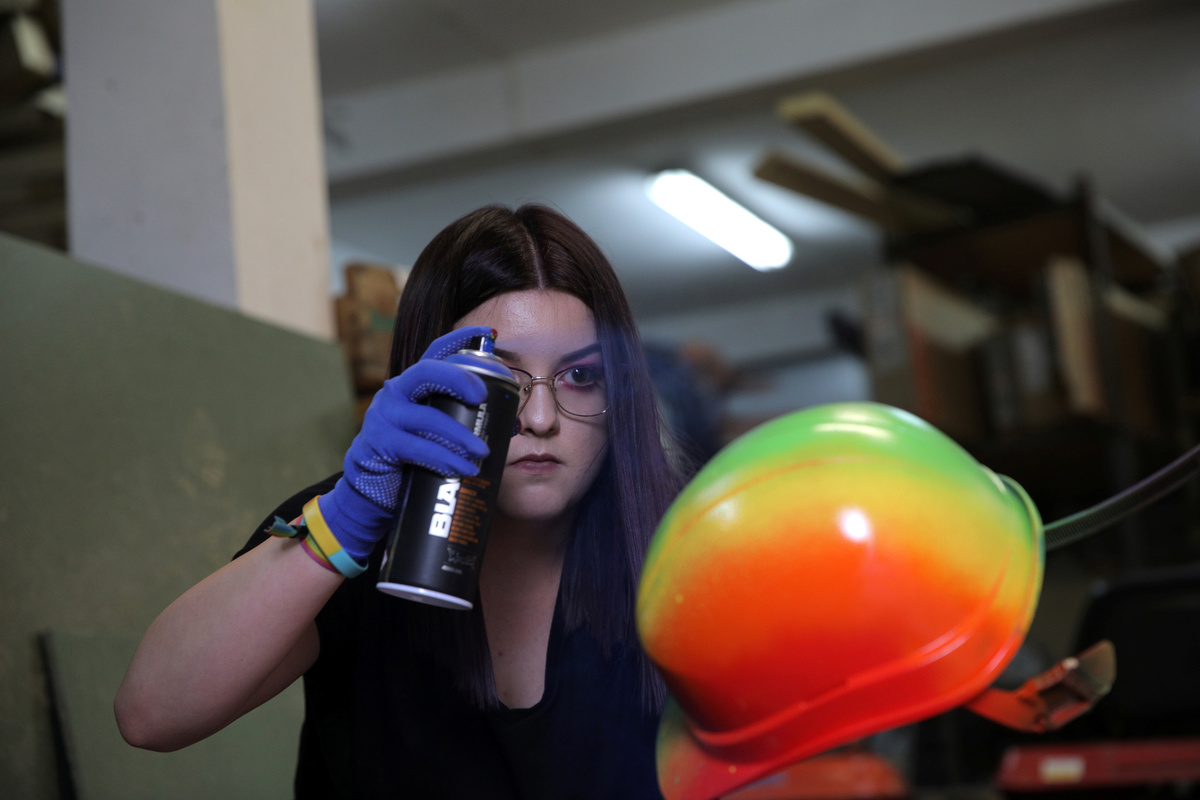
Preparations for Saturday’s planned march include various safety measures, helmets for the people leading the march and an ambulance with first-aid responders. Organizers have also requested concrete barriers and say they are communicating more closely with police than last year.
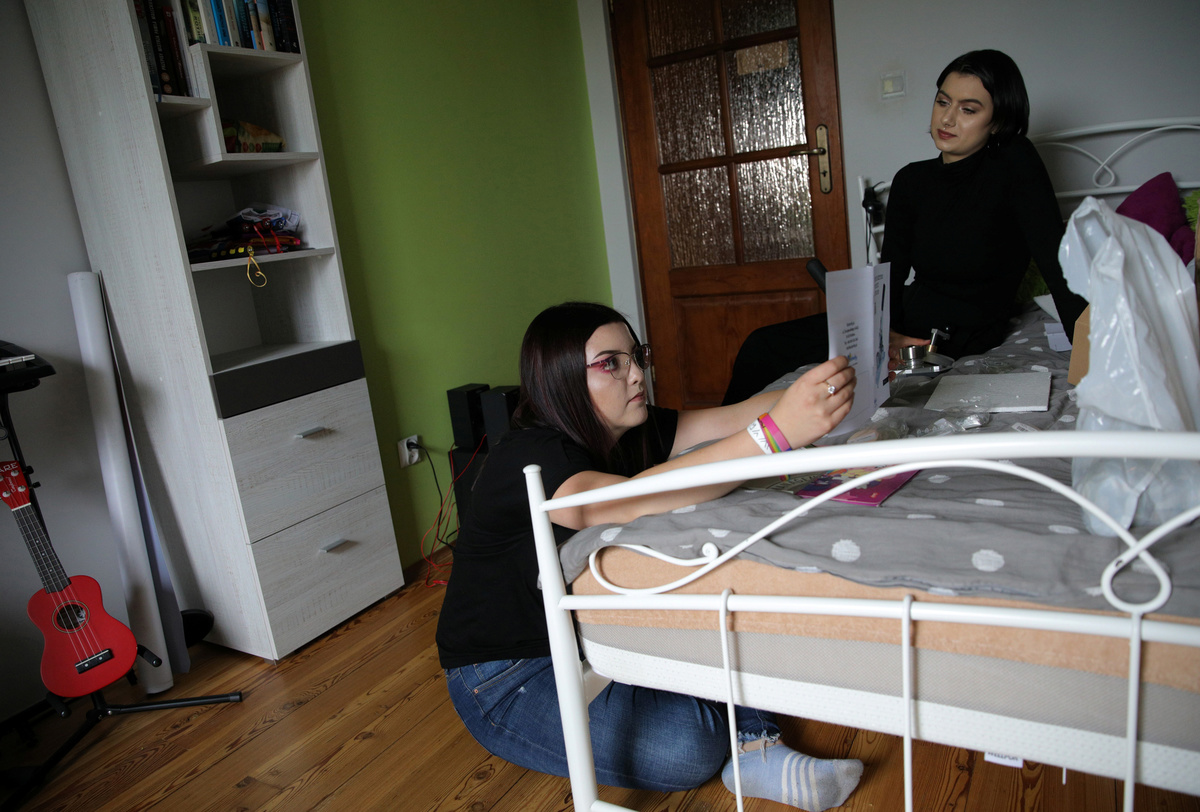
The organizers say they have had to change the planned route for security reasons and that they are telling parade participants to hide any LGBT symbols on the way to and from the march.
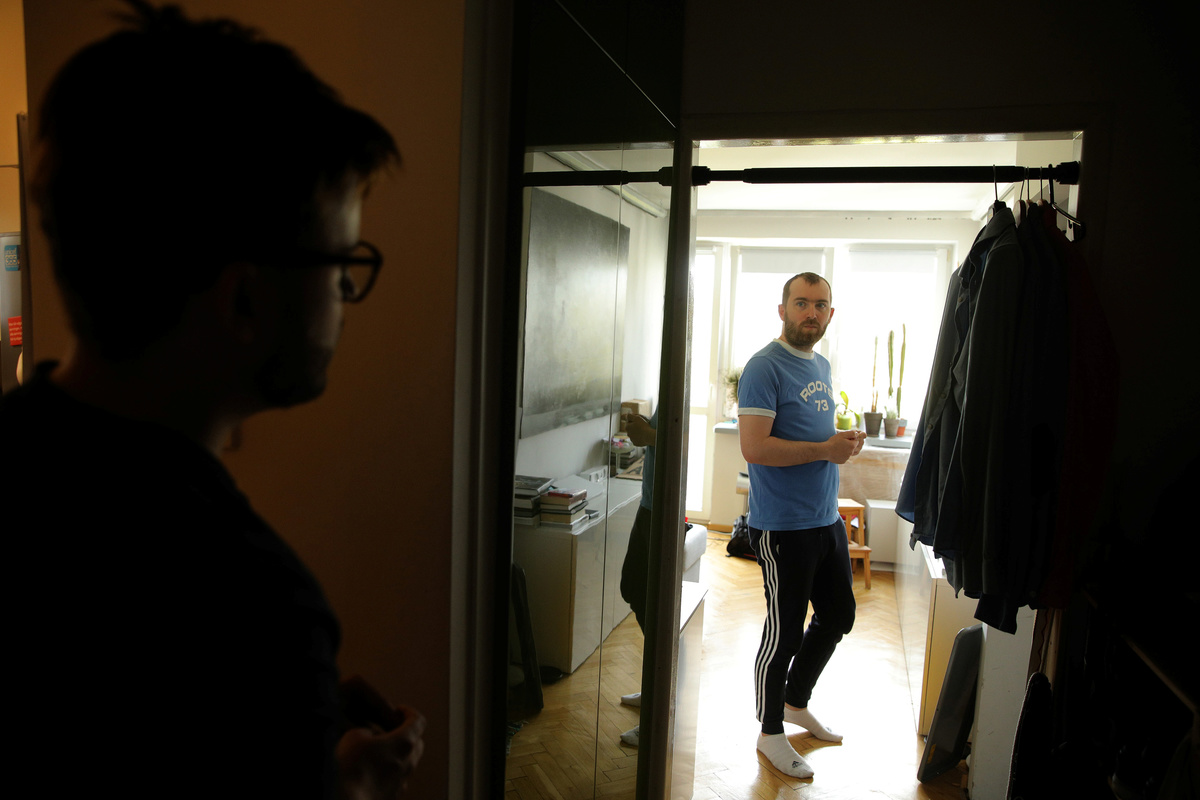
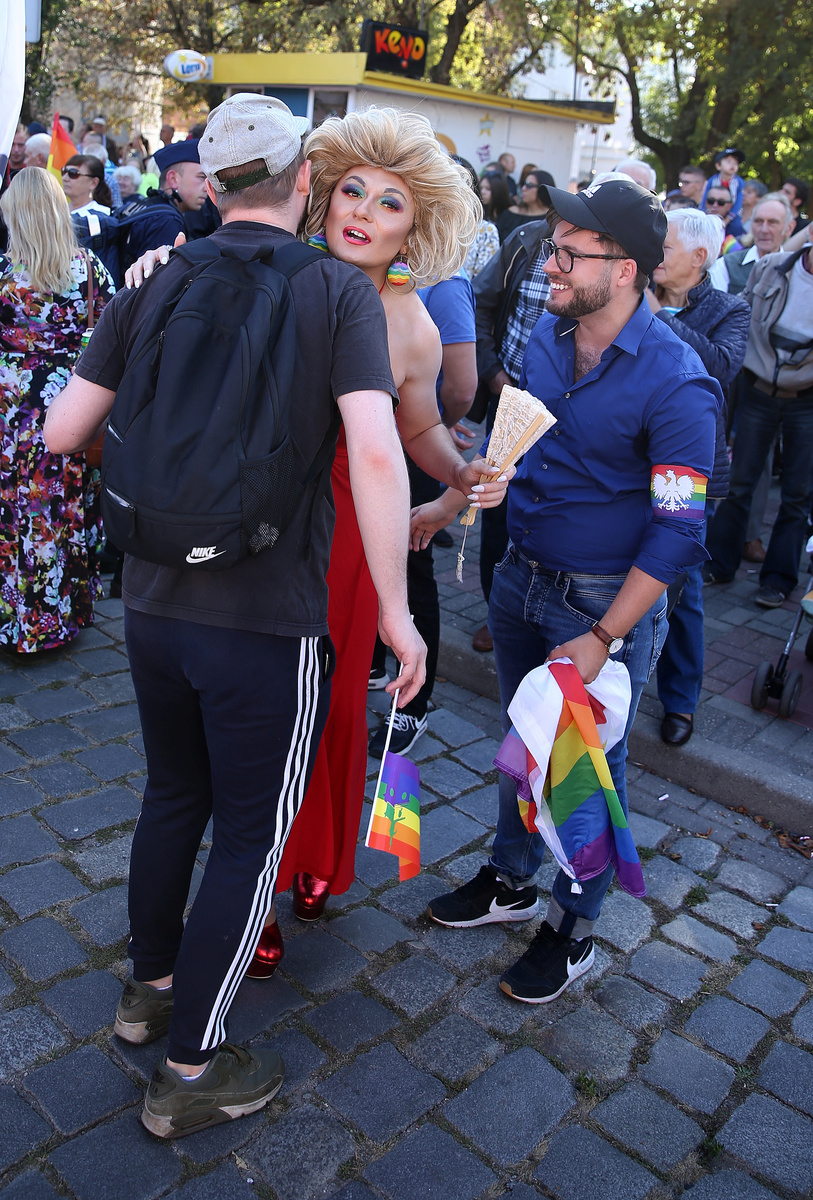
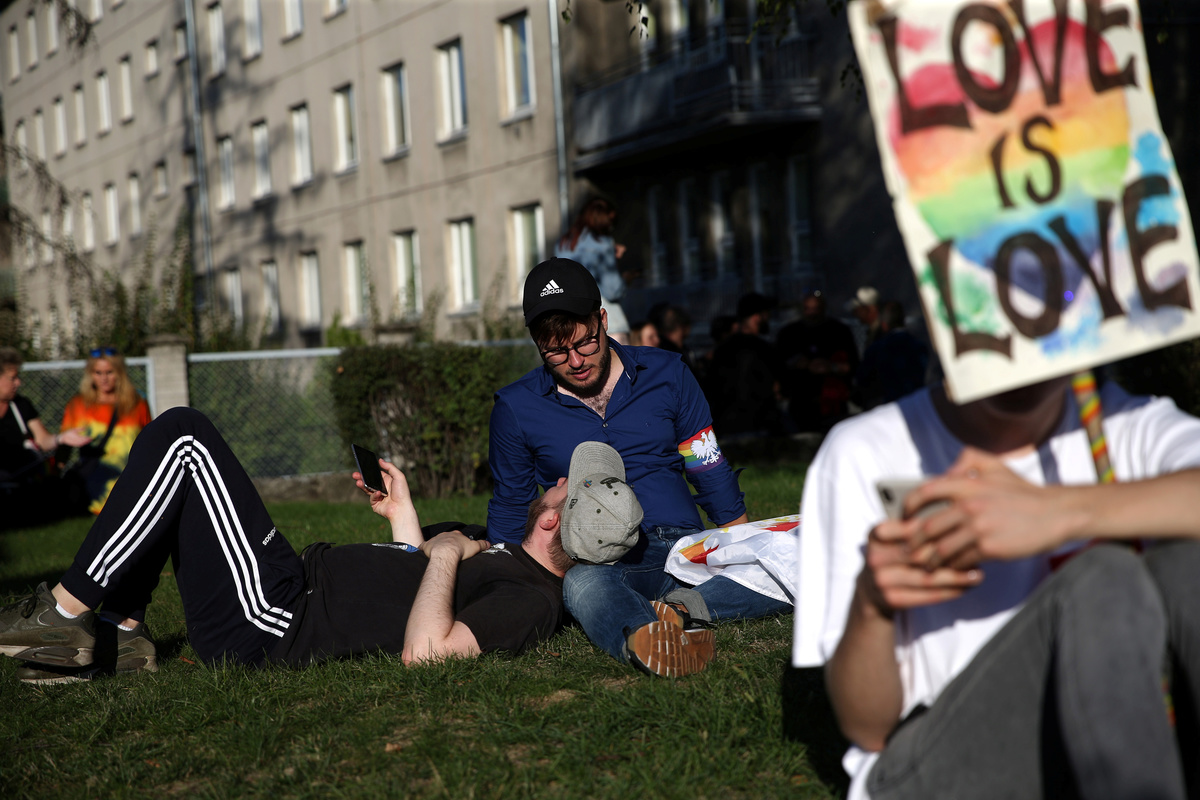
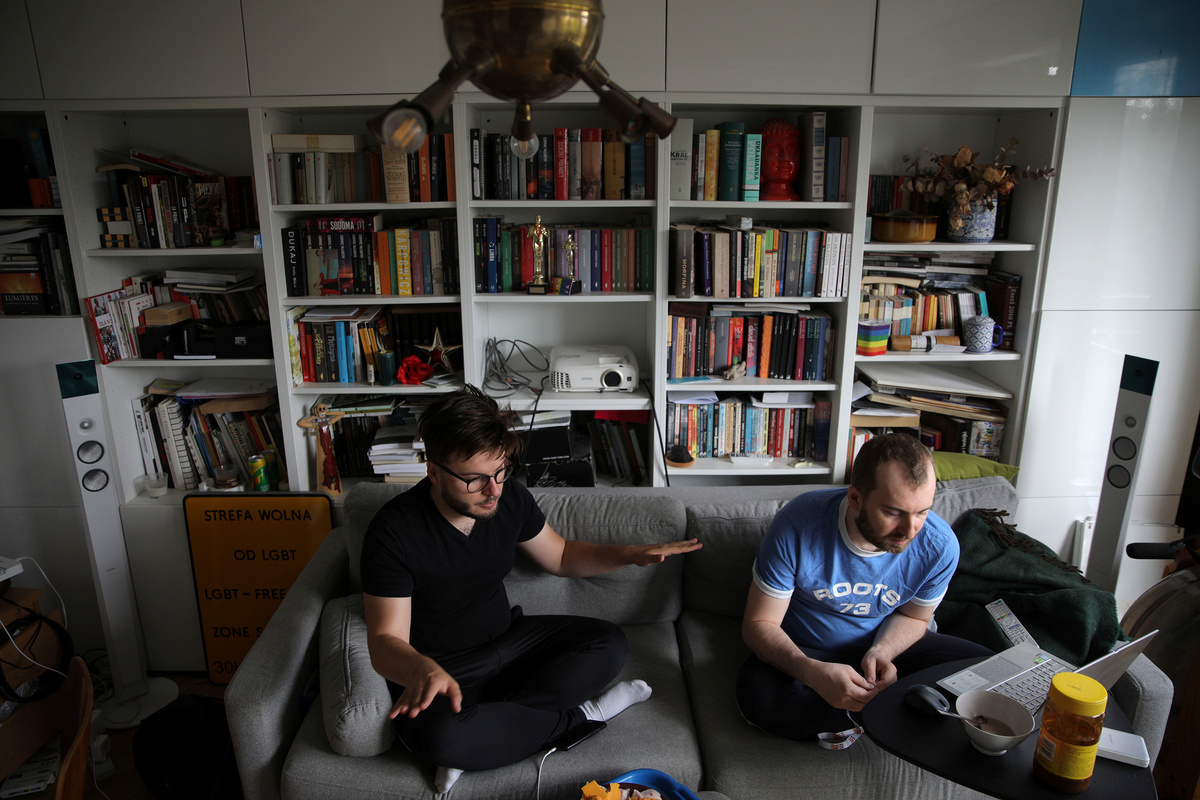
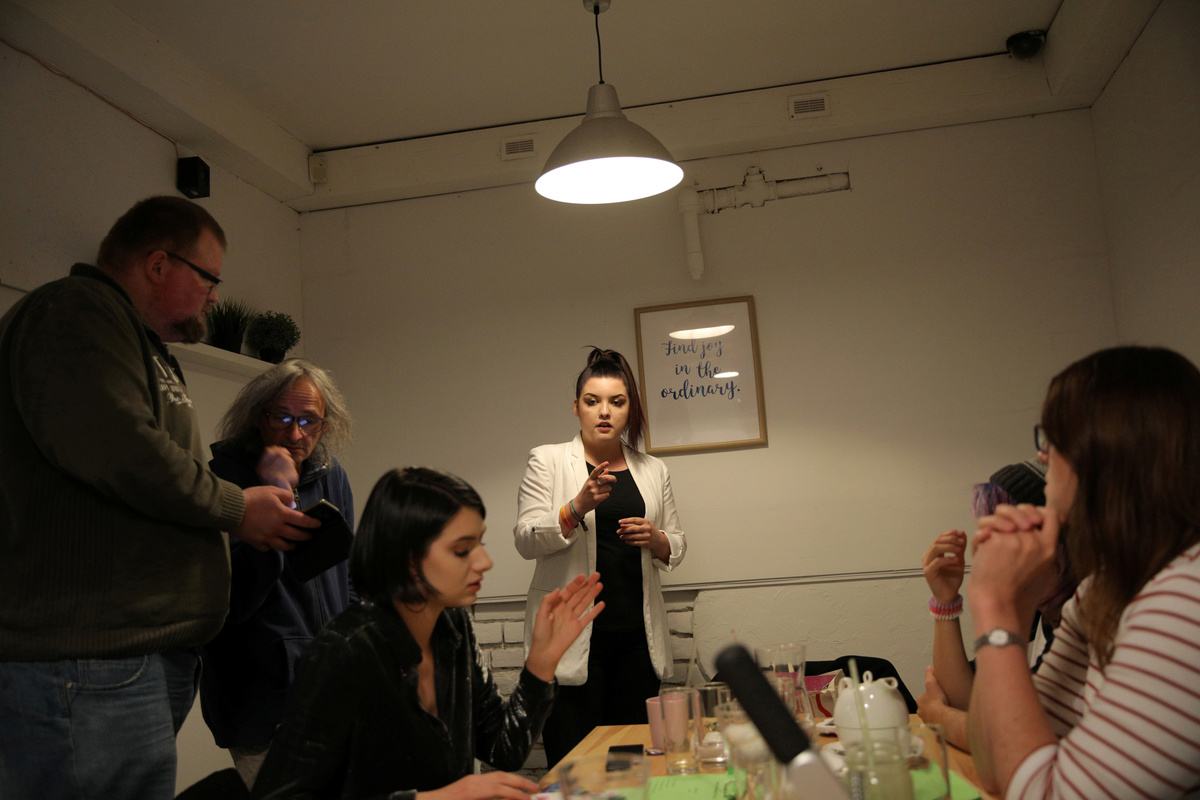
"It's a horrific atmosphere we're living in," says Bartosz Staszewski, a 29-year-old filmmaker and one of the organizers of Saturday’s event. For him, participating in the parade is a vital part of trying to seek equality. “You show up, you humanize yourself," he said.
(Reporting by Joanna Plucinska and Alicja Ptak; Writing and additional reporting by Andrew RC Marshall; Editing by Cassell Bryan-Low)