Sir Keir Starmer is facing growing pressure to act on claims that the student loans system is unfair, as one of parliament’s most powerful committees launches an inquiry into its impact and the taxation of graduates.
MPs on the Treasury select committee are asking young people their views on the system, whether they would still take out loans today and how their student loan repayments are impacting their finances.
Announcing the decision, the committee said it is “aware that many graduates have become intensely dissatisfied with the terms of the loan”, which has been widely criticised by many Labour MPs, as well as Conservative leader Kemi Badenoch, and consumer champion Martin Lewis.
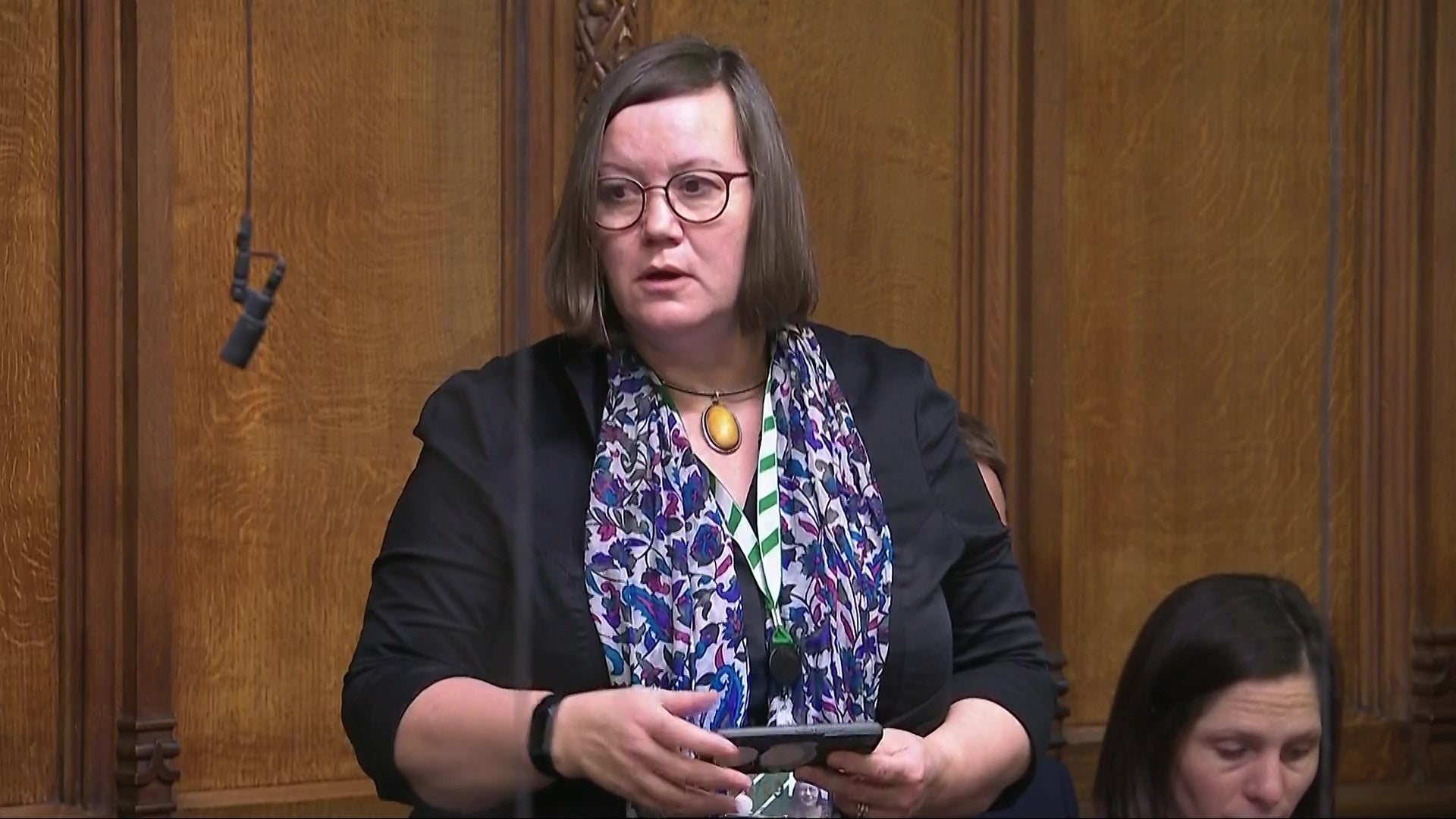
The Labour chair of the Treasury Committee, Dame Meg Hillier, said: “This inquiry is about fairness. Fundamentally, what we’re asking is, have the goalposts been moved in a way which is unfair to graduates?
“Many people have benefited from widened access to higher education, but upward interest rates and sometimes particularly high marginal tax rates have clearly led to widespread dissatisfaction among graduates who may not have fully understood their repayment terms and the possibility they could change.”
She added: “It’s critical that the model for financing university education is sustainable but there are questions over whether decisions such as freezing the threshold for repayments is placing the burden unfairly on younger people.”
According to the Institute for Fiscal Studies (IFS), students now leave university with, on average, more than £50,000 in student loan debt.
From the April after they graduate, borrowers make loan repayments of 9 per cent of their earnings above £28,470.
At the Budget, the chancellor Rachel Reeves announced graduates on Plan 2 loans – which were issued to English students who started their undergraduate courses between 2012/13 and 2022/23 – will see the repayment threshold will be frozen at £29,385 for three years, leading to many having to pay more.
Interest on Plan 2 loans is charged at the rate of RPI inflation plus up to 3 per cent, depending on how much a graduate earns. The Conservatives have announced plans to restrict this to RPI only.
Martin Lewis has said lowering the interest rate will only help graduates who can clear their loans within 30 years, and that the repayment threshold needs to be increased to help lower and middle earning graduates.
Sir Keir has said the government will look at ways to make the student loan system fairer.
MPs will be seeking evidence on graduates’ repayment terms, including the extent to which they are reasonable and proportionate in the broader context of graduates’ marginal tax rates.
This will be used to inform the committee’s views on whether people are being treated fairly once they leave higher education.
The committee is also enabling anyone over the age of 16 to contribute their experiences directly to the inquiry through an online survey. Questions include whether they would take out the loan today if given the option and whether repayments are having a material impact on their financial planning.
Evidence must be submitted to the committee by Tuesday 14 April. There will also be a survey for young people to contribute their experience directly.
Peter Mandelson’s £75,000 payout after sacking was ‘value for money’ – minister
From energy bills to petrol: How the Iran-US war could affect UK cost of living
All the key takeaways from first release of the Mandelson files
Politics latest: ‘Outraged’ minister says Mandelson should donate £75,000 payout
What is Al Quds day why has its protest march in London been banned?
What it means for your money as the price of oil jumps again after tanker attacks