RALEIGH, N.C. — With an estimated 172,000 potential ballots still left to count over the next few days, North Carolina's election results are far from final.
But the updated tally is unlikely to change the results of the state's two biggest races.
An analysis of state data by The News & Observer shows at least 97% of votes cast have already been counted in the state. As of Thursday, major news organizations had yet to call either the presidential or U.S. Senate race.
President Donald Trump currently holds a 76,701-vote lead over Democrat Joe Biden, according to the State Board of Elections. GOP Sen. Thom Tillis leads Democrat Cal Cunningham by an even larger margin of 96,707 votes.
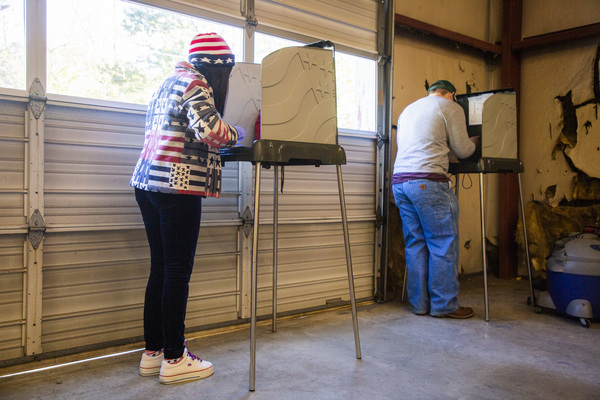
Ballots cast during early voting and on Election Day, as well as by-mail ballots received by Nov. 2, are already included in unofficial results.
Just how many ballots are left to count, though, is hard to say.
State elections data through Thursday morning indicated about 108,000 mail-in ballots remain outstanding, according to an analysis by The News & Observer. But that number includes many ballots voters won't ever return or didn't mail by Election Day. And it doesn't account for voters with outstanding ballots who changed their mind and voted in person on Tuesday.
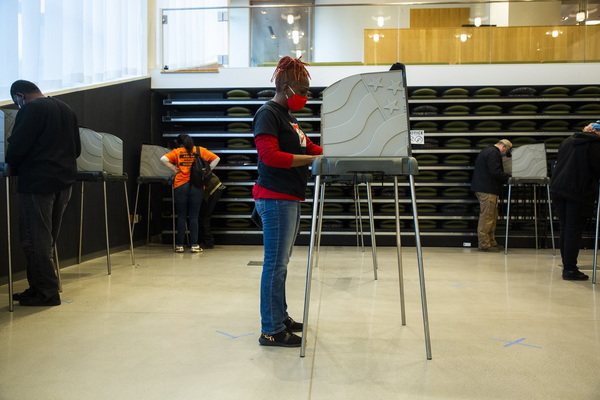
The count of outstanding mail-in ballots is expected to tick down in the coming days as counties subtract in-person voters and additional ballots that arrive by the deadline.
As those mail-in votes roll in, they'll have to wait for county boards to meet and approve them before they're included in the unofficial tally. As of Thursday morning, state data show about 23,000 mail-in ballots were received and accepted — but not yet tallied in the unofficial results — since Election Day.
Then there are provisional ballots, which voters cast at the polls if there's some question about their eligibility.
State election officials reported Thursday that about 41,000 provisional ballots had been cast in the 2020 election. But not all of those will end up counting.
By comparison, voters in 2016 cast about 60,000 provisional ballots, more than half or which weren't counted at all. It's unclear whether election boards will approve a similar proportion of those ballots in 2020, a contest marked by historic turnout statewide.
Taken together, that puts the upper limit of potential votes left to tally in North Carolina at about 172,000, although the actual figure is likely to fall far short of that maximum.
While they are unlikely to change the outcome of the top federal races, continued ballot counting could affect close statewide races. In the race for chief justice of the Supreme Court, for example, Republican Paul Newby leads Democratic Justice Cheri Beasley by just 3,742 votes.
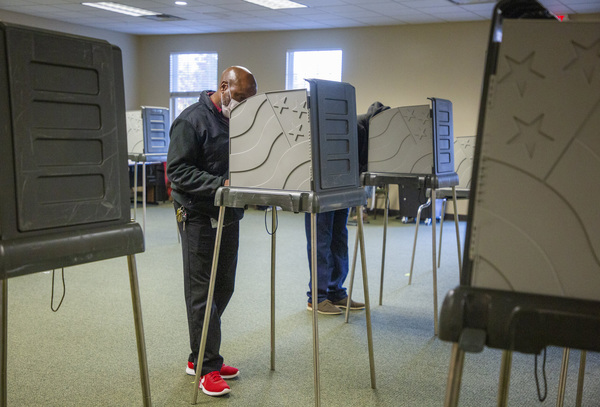
Local election boards across the state will review and count provisional and absentee ballots over the next week. Some boards, including Mecklenburg's, begin the process Friday, although state officials say most counties will wait until Nov. 12.
That's not much of a surprise to political observers like Michael Bitzer, professor of politics and history at Catawba College.
"If you go back into the early days of our republic, sometimes it was a month before we knew our full election results," Bitzer said. "At some point, if you want the process rushed, there are likely going to be mistakes made."
Bitzer said the ballot counting process so far in 2020 has been relatively normal. But the state's positioning as a swing state, along with a tight races with national implications, both draw greater attention to an established bureaucratic process.
"When a state becomes so competitive, the spotlight gets shone on the administrative processes that we all take for granted in other election years," Bitzer said.
As of Thursday morning, Mecklenburg had about 14,000 outstanding mail-in ballots, according to The News & Observer's analysis. Wake County leads the state with about 15,000, while Durham County has about 3,000 outstanding.
Mecklenburg Elections Director Michael Dickerson said he expects the board to review and approve on Friday as many as 3,000 absentee ballots postmarked on Election Day. Any additional ballots will be reviewed next week.