President-elect Donald Trump revealed his intention to establish an 'External Revenue Service' during a recent announcement. This new entity would be responsible for collecting revenue generated from the tariffs that Trump has pledged to implement.
Trump expressed his dissatisfaction with the current taxation system, particularly the reliance on the Internal Revenue Service (IRS) to tax American citizens. He emphasized the need to shift the burden of taxation onto foreign entities that benefit from trade with the United States.
In his statement, Trump highlighted the impact of existing trade agreements on the American economy, characterizing them as 'soft and pathetically weak.' He asserted that the creation of the External Revenue Service would mark a significant departure from the current approach to revenue collection.
The president-elect outlined his plans to impose substantial tariff increases on goods imported from Mexico, Canada, and China at the beginning of his term. These measures could potentially lead to higher costs for American businesses and consumers.

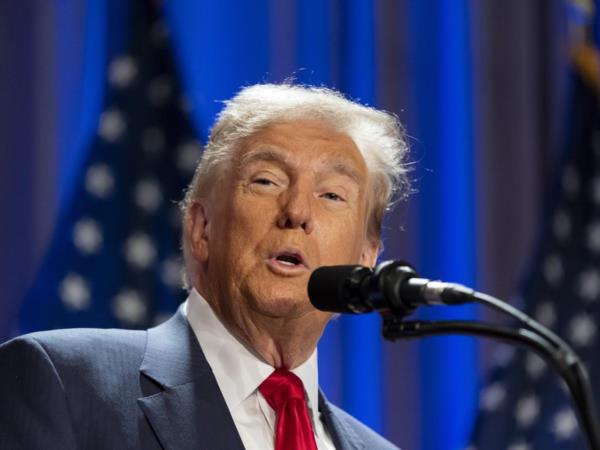
Furthermore, Trump is reportedly contemplating declaring a national economic emergency to justify imposing universal tariffs on both allies and adversaries. This move is seen as part of his strategy to rebalance global trade dynamics during his upcoming term in office.
The External Revenue Service is slated to be established on January 20, 2025, with the goal of ensuring that foreign entities pay their 'fair share' for engaging in trade with the United States. Trump's announcement has sparked discussions about the potential implications of his proposed tariff policies on the domestic and international economic landscape.
As the nation awaits the implementation of these new measures, the creation of the External Revenue Service represents a significant development in Trump's economic agenda and his vision for reshaping trade relations with other countries.