President-elect Donald Trump has recently stirred controversy by demanding an increase in the debt ceiling as part of the government funding package. This move has disrupted the carefully negotiated bipartisan agreement that was in place.
Trump criticized congressional Republicans for allowing the country to hit the debt ceiling in 2025, calling it a 'foolish and inept' decision. He emphasized the need to address this issue before he takes office on January 20, 2025.
The debt ceiling, which was suspended in 2023, is set to return on January 2. The Treasury Department will have to utilize its available cash and extraordinary measures to meet the nation's financial obligations.
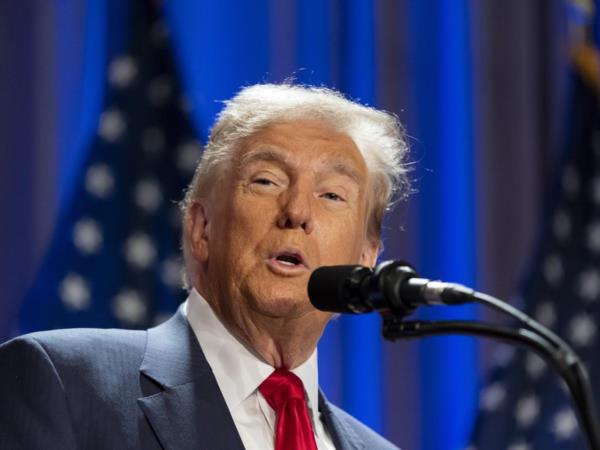

The 2023 deal that suspended the debt ceiling took extensive negotiations and averted a potential default that could have had severe economic repercussions globally. With the debt ceiling issue resurfacing, the incoming GOP administration will face additional challenges on top of their existing agenda.
The debt ceiling is a limit set by Congress on the amount of money the federal government can borrow to cover approved expenses. Due to the budget deficit resulting from higher spending than revenue collection, the Treasury needs to borrow to meet financial obligations.
Currently, the nation's debt stands at $36.2 trillion, highlighting the significance of addressing the debt ceiling in a timely and strategic manner.