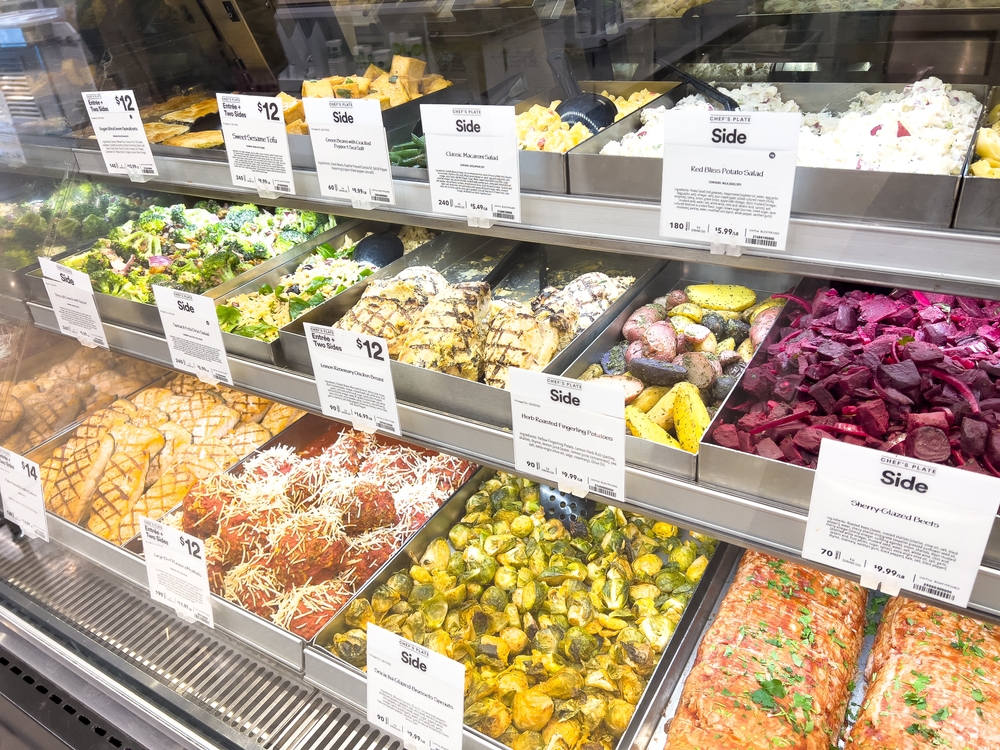
Prepared foods departments now operate in a tighter box as ingredient prices rise and staple items vanish without warning. Inflation forces shifts that feel small on paper but land hard in busy kitchens built on consistency. Recipes change, portions shrink, and customers sense the difference even when stores try to hide it. The pressure builds quietly as teams scramble to maintain flavor standards while costs keep climbing. And in stores where prepared foods departments anchor traffic, every change carries weight.
1. Shrinking Access to Key Ingredients
Prepared foods departments depend on predictable deliveries. Inflation pushes that stability out of reach. When chicken, cooking oil, or fresh herbs rise in cost fast enough, previously reliable recipes become liabilities. Kitchens swap in cheaper cuts or alternative brands just to keep dishes on the shelf. Those shifts break rhythm. Staff who know a recipe by heart now deal with ingredients that behave differently, cook differently, and taste differently.
Prepared foods departments also lose access to seasonal ingredients they once used year-round. If tomatoes spike in price, a tomato-based pasta salad might vanish for weeks. Stores rarely announce these changes. They simply pull the dish and move on. Customers notice because they look for their weekly staples and see gaps they cannot explain. Inflation turns a simple swap into a chain reaction that affects trust and sales at the same time.
2. Recipe Substitutions That Become Permanent
Temporary adjustments have a way of becoming permanent. A prepared foods department might replace a brand-name mayo with a private label version because it costs less during an inflation surge. Once the switch is made, the price advantage becomes part of the budget plan. Even if inflation eases, the cheaper product stays. But the flavor shifts remain, and loyal customers recognize them immediately.
This happens across the case. A milder cheese, a thinner dressing, a pre-cooked protein—all cost-driven substitutions that reshape long-standing recipes. Some dishes survive the changes. Others turn bland, losing the depth that made them popular in the first place. Staff sometimes try to compensate by adding spices or adjusting prep times, but these improvisations create inconsistency from batch to batch. Prepared foods departments rely on routine. Inflation disrupts it in ways that linger long after prices stabilize.
3. Labor Pressures That Follow Ingredient Inflation
Labor costs climb alongside ingredient inflation, creating a dual squeeze. When budgets tighten, management shifts tasks to fewer employees. A team that once had six cooks might now have four. That means less prep time, shorter marination windows, and rushed cooking cycles. The results show up in the case: vegetables cut unevenly, proteins slightly overcooked, salads mixed quickly instead of carefully folded.
Prepared foods departments struggle because labor strain multiplies the impact of ingredient changes. If a cheaper ingredient requires more prep or cooks unpredictably, fewer hands are available to manage those challenges. Inflation magnifies small missteps in the kitchen. And when volume spikes during lunch or after work, overstretched teams rely on shortcuts to keep up, further altering recipes that customers expect to remain consistent.
4. Packaging and Portion Adjustments
Inflation pushes stores to rethink not only recipes but the containers that hold them. Prepared foods departments experiment with smaller clamshells or narrower bowls to cut costs without raising retail prices. These changes create subtle shifts in portion size, density, and presentation. A salad that once filled a container now sits loosely, giving customers the impression of less value even when the weight stays technically the same.
Packaging changes also affect quality. Thinner lids allow more moisture to escape, drying out proteins faster. Switching from vented containers to sealed ones traps steam and softens fried foods within minutes. Inflation forces these packaging compromises, and prepared foods departments shoulder the customer complaints that follow. The adjustments ripple through the system, turning what seems like a minor cost-saving tactic into a direct hit on product integrity.
5. Menu Simplification as a Survival Strategy
Inflation often pushes prepared foods departments to simplify menus. Fewer ingredients mean fewer points of failure. Dropping a complex dish eliminates several costly items at once. Simplification can stabilize operations, but it narrows selection and reduces the variety that draws shoppers in. Some customers adapt. Others shift their purchases to competing stores or restaurants, especially when staple items disappear without explanation.
Menu simplification also places pressure on the remaining dishes. A smaller lineup means higher volume for each recipe, requiring consistency under tough conditions. If one of those recipes depends heavily on an ingredient prone to price spikes, the entire plan collapses. Inflation gives prepared foods departments little room to maneuver, and menu cuts feel like the only safe path—even when they chip away at customer satisfaction.
How Stores Can Rebuild Trust Through Transparency
Prepared foods departments face a long road back to stability as inflation reshapes costs across the board. Customers tolerate change when they understand why it happens. Stores that communicate clearly about recipe adjustments, ingredient shortages, or portion updates maintain trust even when the product shifts. Silence breeds frustration, especially when popular dishes taste different without explanation.
Prepared foods departments operate at the front line of inflation. Honest communication helps restore confidence in a department built on convenience, flavor, and routine. How has inflation changed the prepared foods at your local store?
What to Read Next…
- 6 Times Restaurants Changed Their Recipes To Cut Costs And You Never Noticed
- Why Food Items Prices Keep Skyrocketing And What You Can Do
- The Secret To Beating Grocery Inflation 10 Smart Tips
- How Inflation Reshaped Grocery Shopping 13 Impacts
- Why Some Stores Are Getting Rid Of Coupons And What It Means For You
The post Prepared Foods Departments Struggle With Recipe Changes Caused by Inflation appeared first on Grocery Coupon Guide.