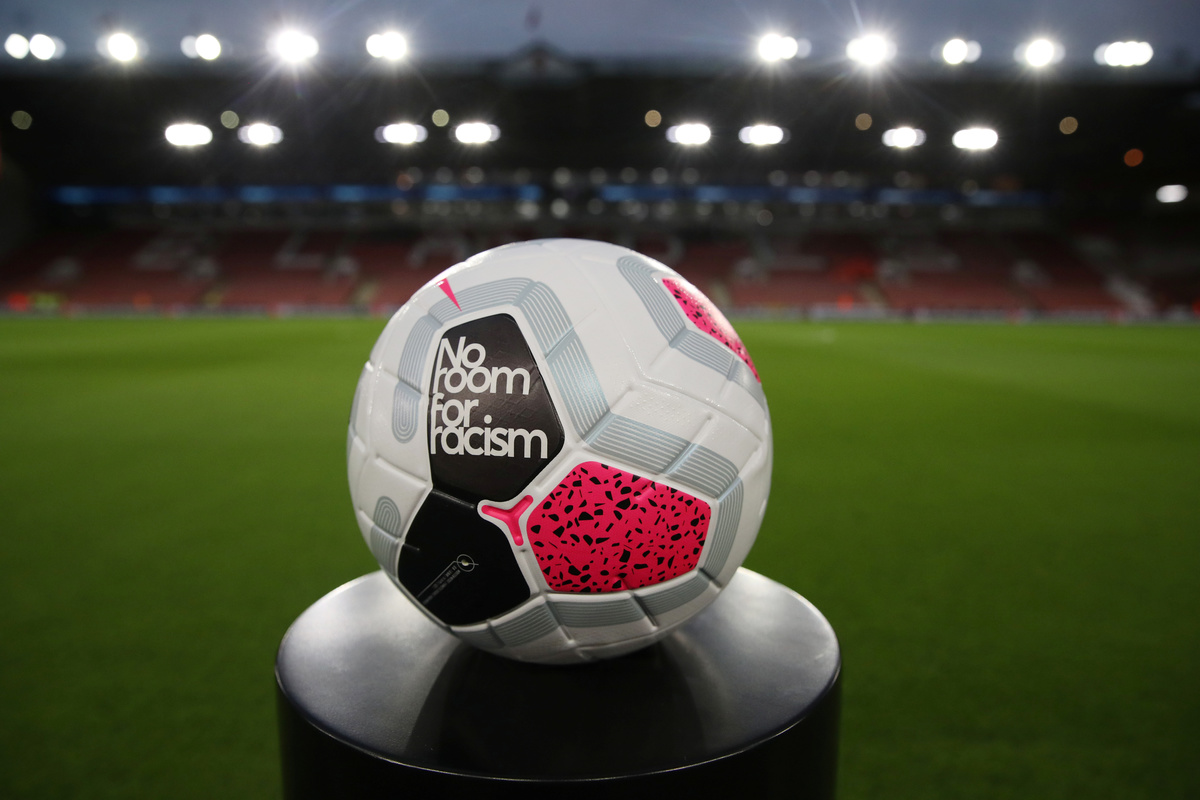
The English Premier League, the most popular domestic TV product in world sport, kicks off on Saturday having decided to replace the Black Lives Matter logo on players' shirts with a "No Room for Racism" patch.
The move is indicative of the delicate position many sports teams and organisations find themselves in as they seek to show support for victims of injustice and send a strong anti-racism message while fearing a backlash from those opposed to aligning with movements that some say have wider political aims.
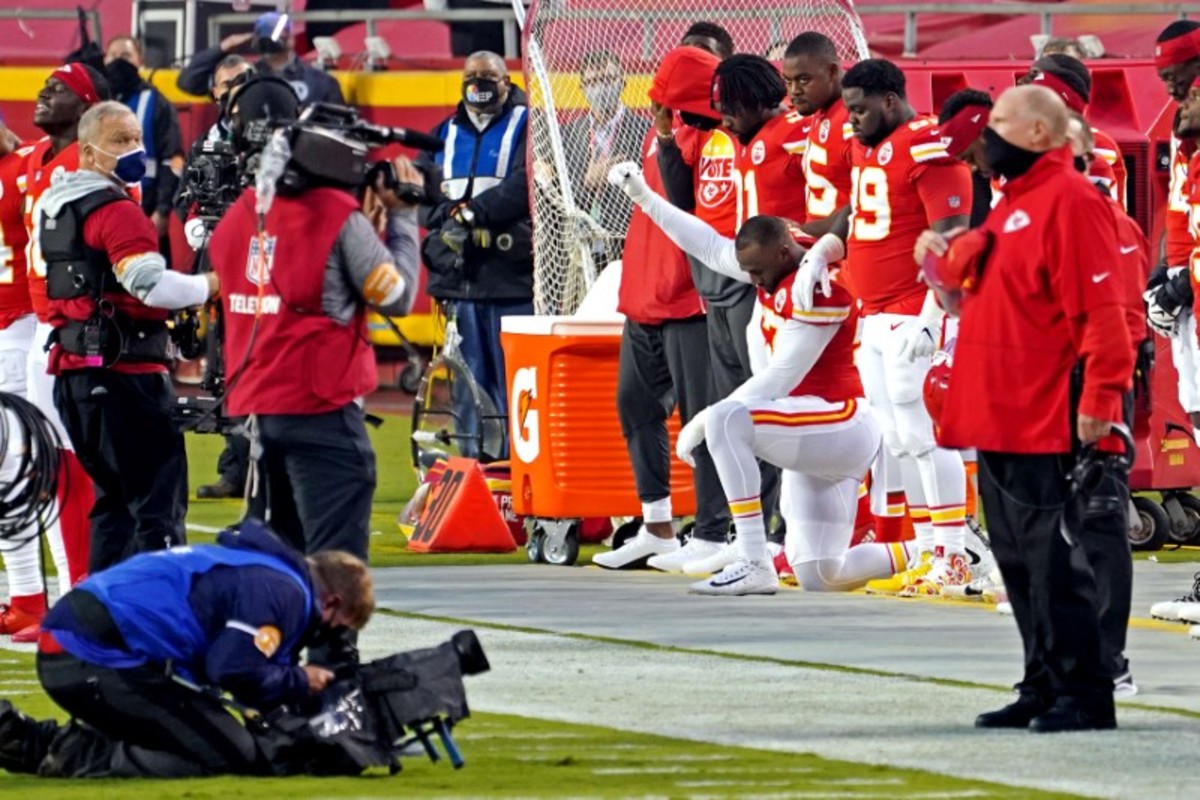
On Thursday in the United States, the NFL restarted amid controversial scenes as some fans jeered during a moment of silence "dedicated to the ongoing fight for equality in our country" before the Kansas City Chiefs' game against the Houston Texans.
While the Texans players stayed in the locker room for performances of "Lift Every Voice And Sing" and "The Star-Spangled Banner", the Chiefs, the defending Super Bowl champions, stayed on the field during the anthems. One player, Alex Okafor, knelt with his fist raised.
The Miami Dolphins also announced they would stay in the locker room during the anthems for their game on Sunday.
When the Premier League restarted in June, the sight of all 22 players and the match officials taking the knee around the centre circle, with their names replaced by "Black Lives Matter" on their shirts, sent a powerful message of support in the wake of protests over the death of George Floyd while in police custody in Minneapolis in May.
They then wore BLM badges on their shirts for the remaining matches, with the game's governing body FIFA, which professes a 'zero-tolerance' approach to the display of any political messages, coming out in support.
In the months since, however, a divide has developed, with many people opposing what they see as the political aims of BLM while still asserting the need to protest against racism.
Premier League chief executive Richard Masters recently told a British Parliamentary committee: "We are drawing a clear distinction between a moral cause and a political movement."
Masters said on Thursday the change of badge came after discussions with players and would "build on the momentum created last season".
"Discrimination in any form, anywhere, is wholly unacceptable and No Room For Racism makes our zero-tolerance stance clear," Masters said.
"We will not stand still on this important issue and we will continue to work with our clubs, players and partners to address all prejudiced behaviour."
In one example of the differing positions, former Wolves and QPR midfielder Karly Henry, who is Black, voiced his opposition to the Premier League aligning with BLM in a tweeted earlier this summer:
"A new inclusive and politically-neutral anti-racism movement to follow and get behind is much needed. Black people’s lives matter," he wrote. "The divisive BlackLivesMatter organisation, however, DOES NOT!"
AWARENESS
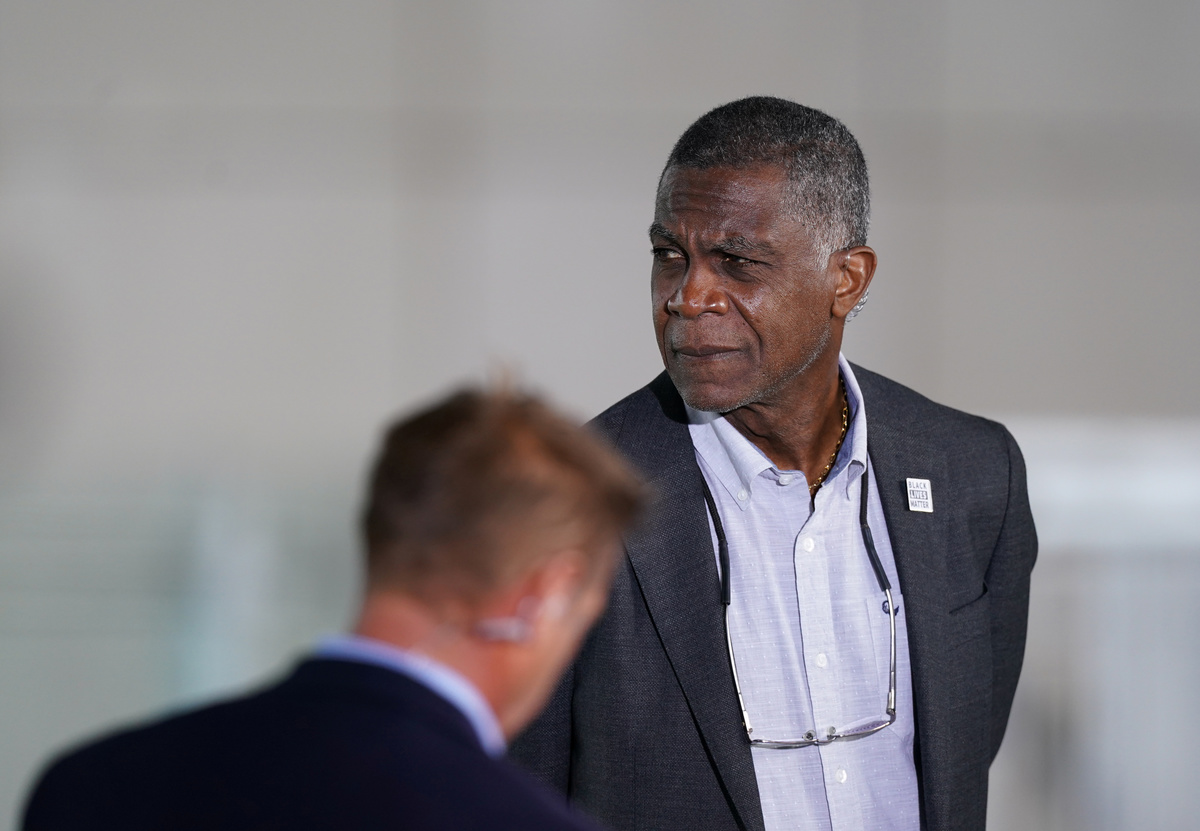
Also on Thursday, Michael Holding, the former West Indies pace bowler who is now a widely respected pundit, criticised the England, Australia and Pakistan teams for abandoning the gesture of "taking a knee" that England and West Indies players displayed showed in their series in July.
"I don’t care about the politics behind Black Lives Matter, I care about those three words: black lives matter," Holding told Sky Sports.
"If you don’t want to recognise the movement, then say that and don’t come up with lame excuses. You have to keep the awareness going."
Australia captain Aaron Finch explained the teams' decision by saying: "The education around it is more important than the protest. I have spoken to (England captain) Eoin (Morgan) and we are not going to do specific gestures like it has happened in the past."
South Africa, which has its own particular history of sporting racism, has been embroiled in a national debate about whether "taking the knee" is appropriate.
Its 1995 Rugby World Cup-winning captain Francois Pienaar was criticised by many fans and even former team mates when he took the knee at a cricket fixture.
There was also a backlash when eight South African members of the English Premiership rugby team Sale Sharks side did not take a knee, while some other players did.
(Reporting by Mitch Phillips, editing by Angus MacSwan)