Premier Foods has promised to simplify the way it asks for money from its suppliers, an issue which had caused a storm of criticism from industry and government ministers.
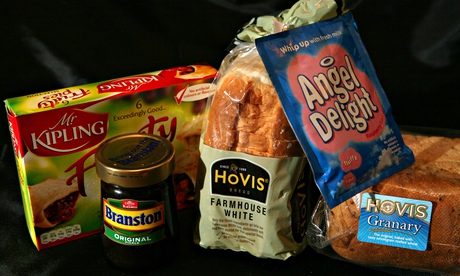
The food company, which makes Mr Kipling cakes and Ambrosia custard, said it had now cut the number of suppliers from 2,800 to 1,230 over the last 18 months and many who remained had earlier chosen to make payments.
“Over the last few days it has become apparent that this mechanism has been widely misunderstood and misinterpreted,” said Gavin Darby, chief executive of Premier. “In this situation, we are fully prepared to simplify the details of our future programme to a more conventional type of discount negotiation, potentially based on price, value or volume-based rebates, or lump sums.”
Vince Cable, the business secretary, had earlier accused the company of “demanding money with menace” while the Federation of Small Businesses said demanding a cash payment under the threat of delisting was “downright unfair”.
The company’s share price had been hit by the furore that erupted after a new letter signed by Darby to suppliers emerged in the middle of last month asking suppliers “to make an investment payment to support our growth”.
This was described by one supplier as blackmail and was interpreted more widely as a so-called pay-to-stay scheme under which companies that refused to cough up cash would be delisted as a supplier.
Premier, which also makes Bisto gravy and Sharwood sauces, said many suppliers had been happy to provide cash for investments because it helped both Premier and the suppliers themselves to grow.
Darby still insisted there was nothing particularly unusual about the now scrapped scheme: “Most companies look for value from their suppliers and will commonly negotiate discounts or lump sums wherever they can which will be offered and accepted by suppliers if they believe their business will benefit. This is standard business practice. The investment payments we have requested from our suppliers are effectively just one form of discount of which there are many different types.”
Last Friday Premier published a list of supply companies which supported what the group was doing. They included Allied Protek Engineering, a medium-sized engineering, design and management company based in Grimsby which gave a statement saying: “We were invited to join Premier Foods Investing for Growth Programme in 2013. Since making a small investment, Premier has not only awarded us more business direct, but has actively promoted our services to overseas based equipment manufacturers who have engaged us to install their equipment on a number of Premier Foods’ sites.”