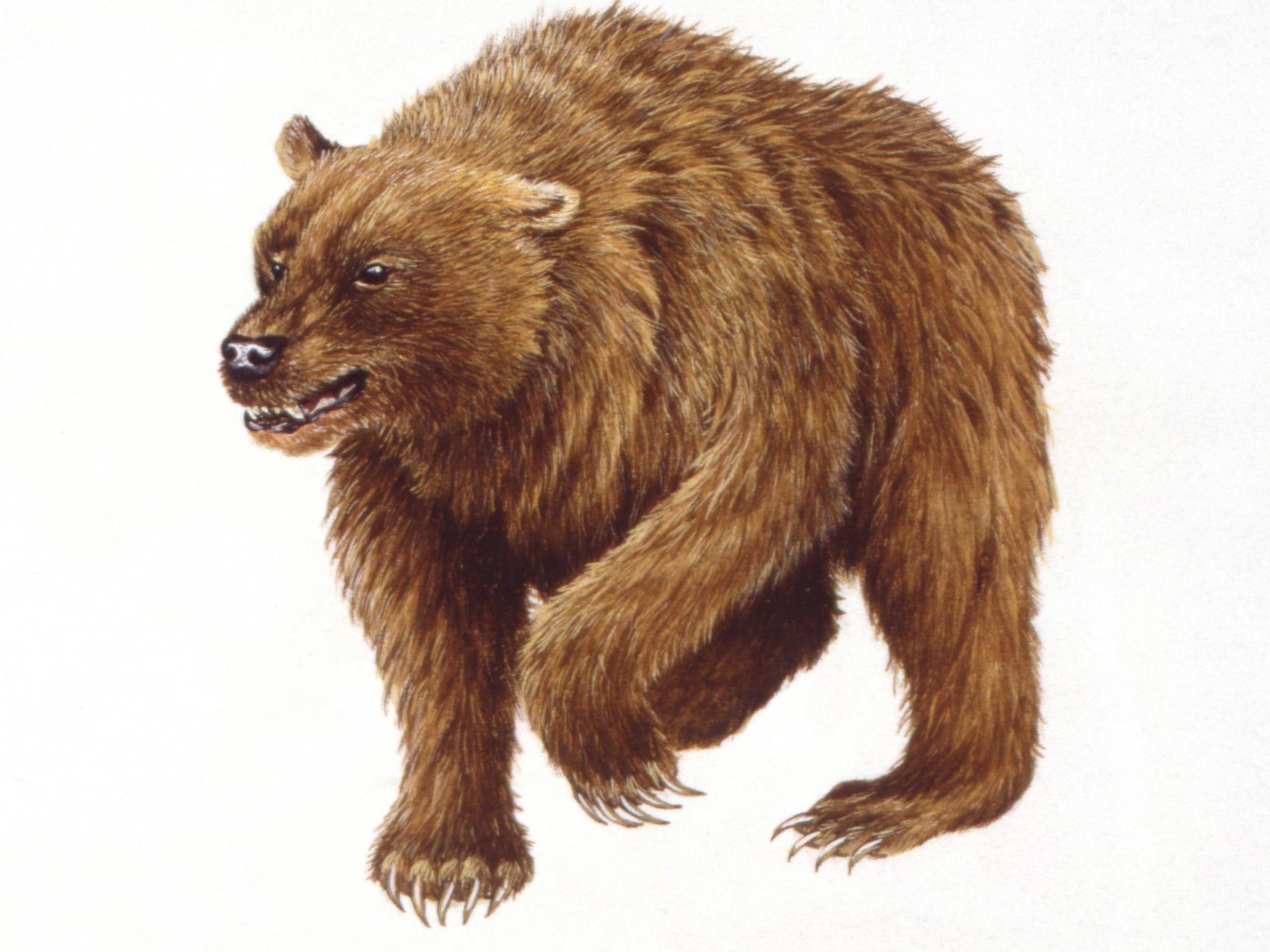
Europe’s vegetarian cave bears were driven to extinction by humans around 24,000 years ago, according to a new DNA study.
There was a drastic decline in their population starting around 40,000 years ago, the findings, published in Scientific Reports, suggest. This coincided with the spread of anatomically modern humans in Europe and pre-dated climate cooling.
“Our study supports a potential significant human role in the general extinction and local extirpation of the European cave bear and illuminates the fate of this megafauna species," the authors wrote.
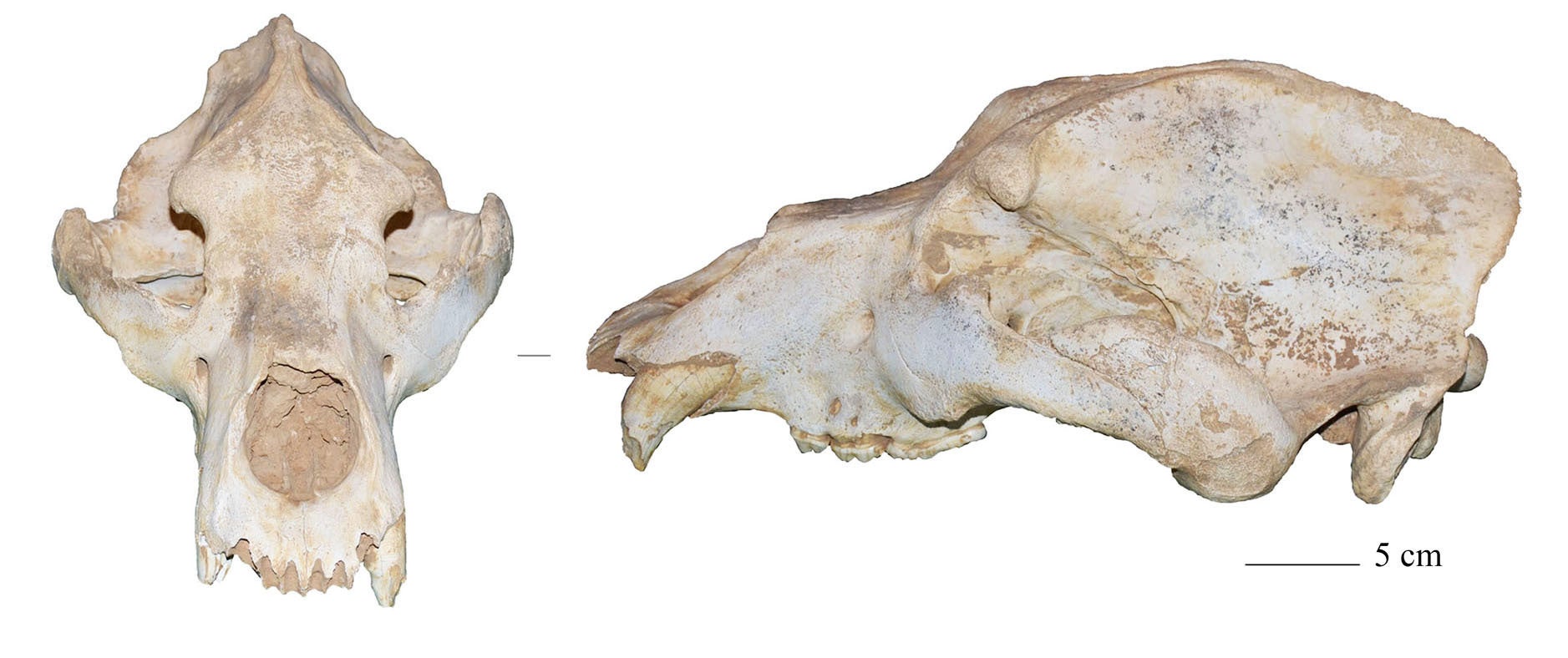
Researchers led by Verena Schuenemann from the University of Zurich and Herve Bocherens, from the University of Tubingenand, reconstructed 59 cave bear mitochondrial genomes from bone.
The samples were collected across 14 sites in Switzerland, Poland, France, Spain, Germany, Italy and Serbia.
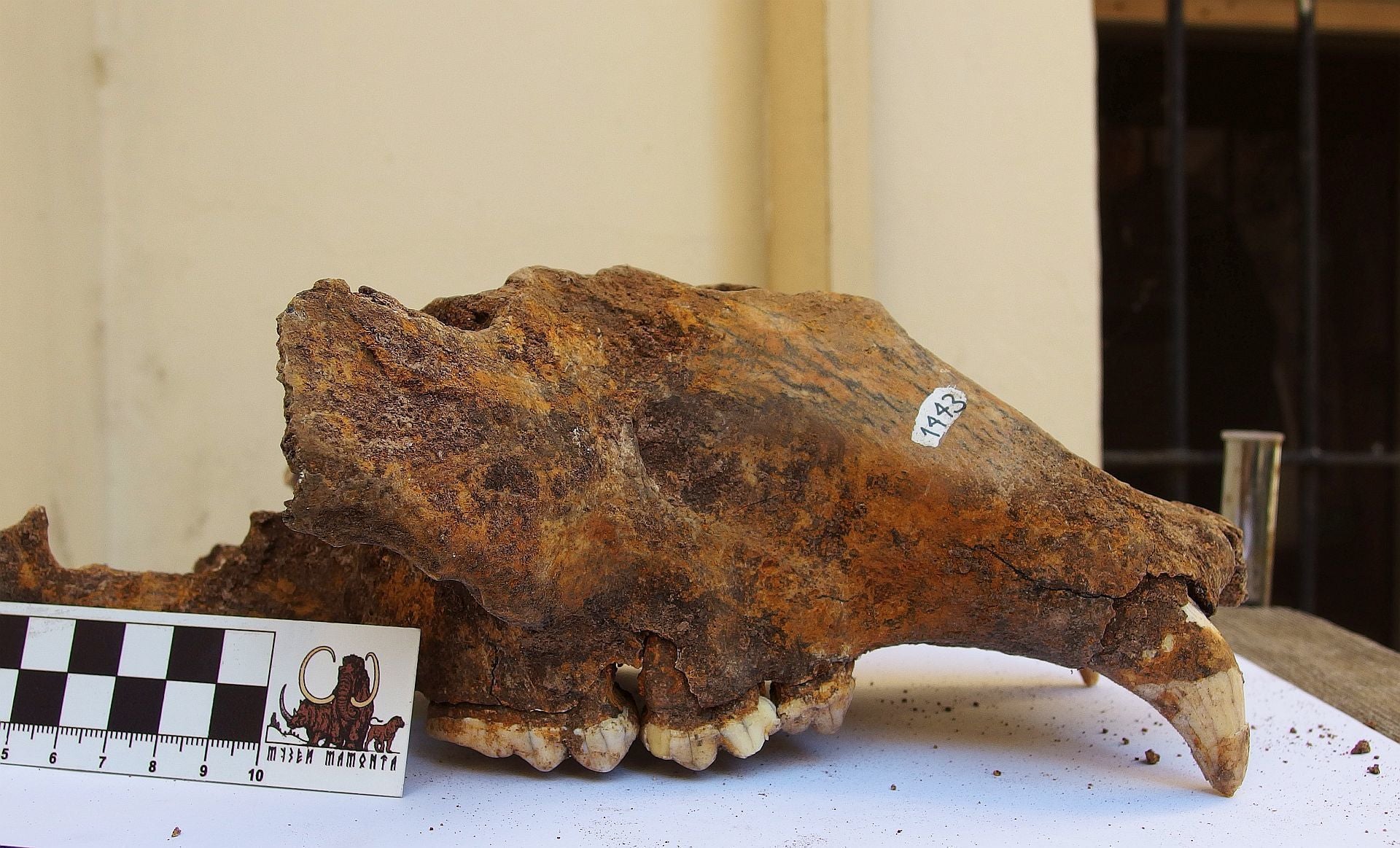
The team than compared these genomes to 64 previously published mitochondrial genomes to show where different populations of cave bears lived and how they migrated during the Late Pleistocene.
They identified five major mitochondrial DNA lineages that originated from a common ancestor around 451,000 years ago and spread across Europe – indicating cave bear distribution was more complex than previously thought.
Cave bear populations remained relatively stable until around 40,000 years ago, including during two cold periods and multiple cooling events, scientists estimate.
They say that as the cooling climate of the last ice age started much later – around 30,000 years ago – the findings suggest other factors, such as hunting by humans, may have had a major impact.
The study also sets out that the cooling climate and subsequent reduced availability of food from plants may have split the overall bear population into various sub-populations.
They would have inhabited more moderate climates with a rich supply of different plants.
By interrupting the connectivity between these sub-populations, humans may have played a decisive role in the species’ extinction, according to the study.