William Shakespeare was long known to have bought a property somewhere near Blackfriars in the City of London, but the exact location has remained a mystery for over 200 years.
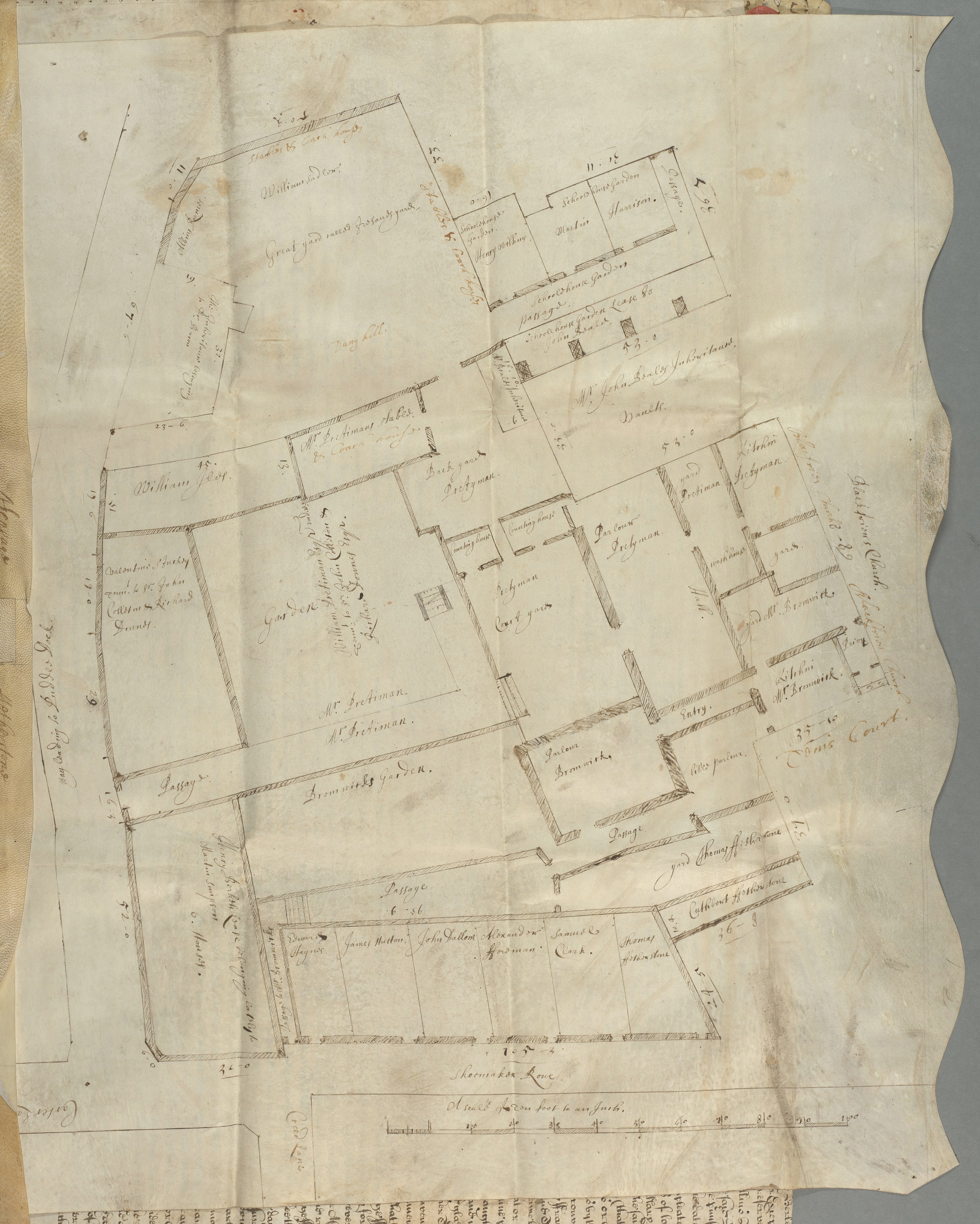
But a new discovery has upended the modern history of the bard, with a precise location and even a floor layout pinpointing the location of the building Shakespeare bought in 1613 as he neared the end of his life and used as his London lodgings, and where he may even have written some of his last plays.
Shakespeare expert Professor Lucy Munro from King’s College London established the location from three documents – two from the London Archives, and one from the National Archives.
However, the building no longer stands. Just a year after Shakespeare's granddaughter sold the property in 1665, 49 years after the playwright died, the Great Fire of London swept through the City, devastating much of Blackfriars and destroying tens of thousands of houses.
Shakespeare’s Blackfriars property was initially thought to be part of what was known as “the Great Gate” over the entrance to the Blackfriars precinct, a major 13th-century Dominican friary.
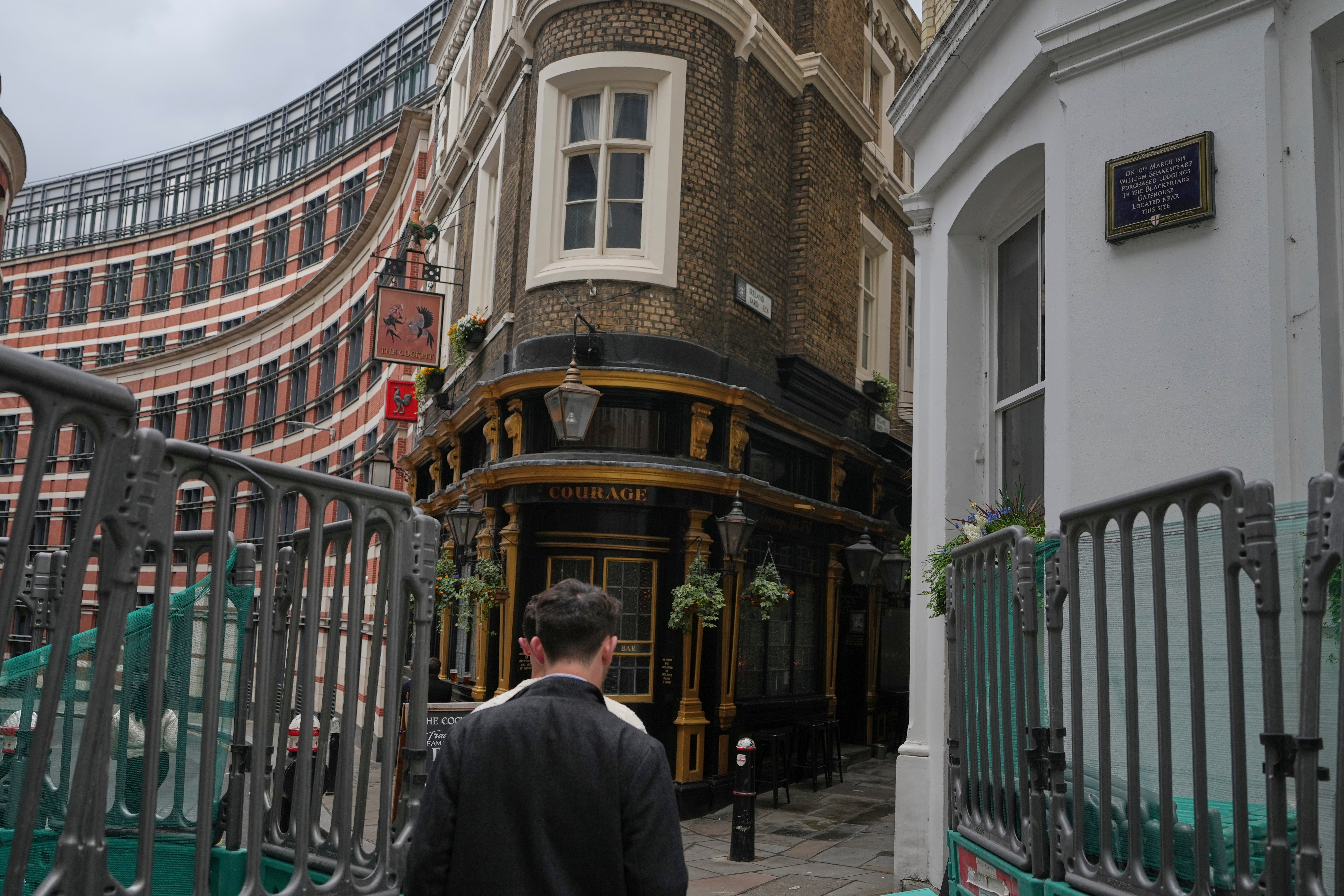
This led to a City of London plaque being placed on a nineteenth-century building at 5 St Andrew’s Hill, which reads: “On 10th March 1613 William Shakespeare purchased lodgings in the Blackfriars Gatehouse located near this site."
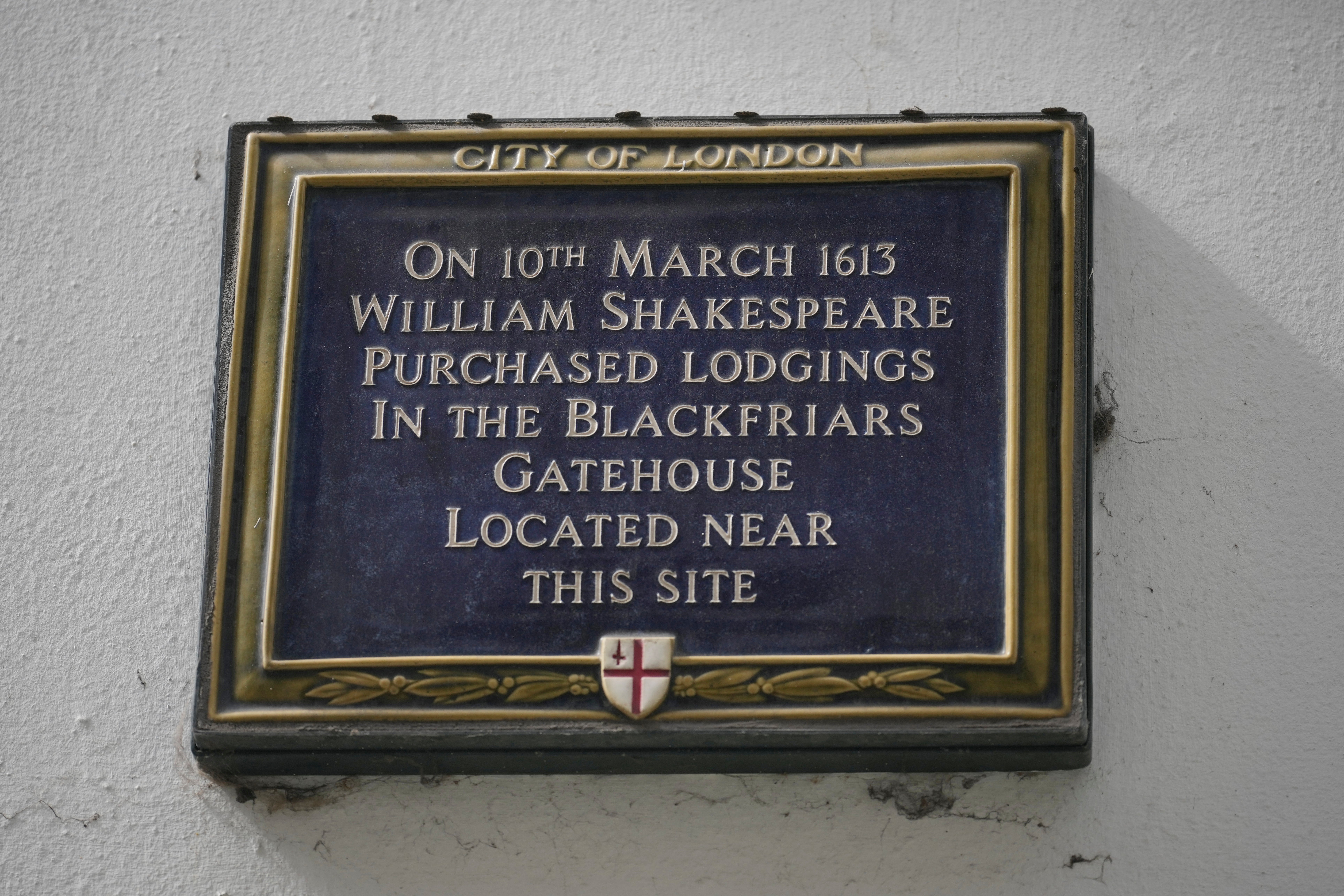
But until now, it was not known how near the plaque was to Shakespeare's actual property.
Professor Munro's discovery of the London Archives document now reveals the plaque is on exactly the right spot.
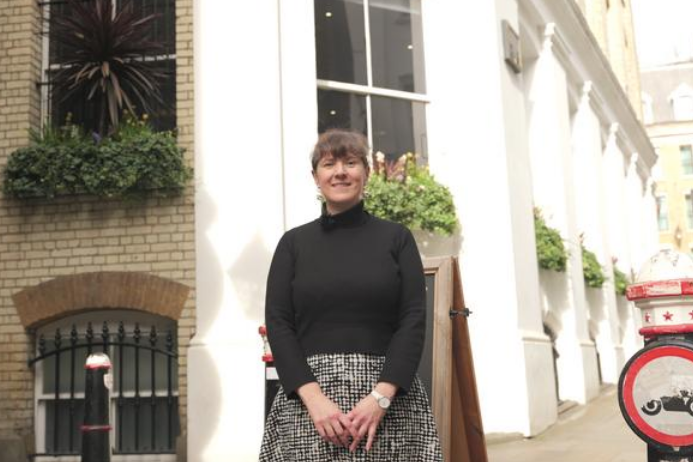
“I was doing research as part of a wider project and couldn’t believe it when I realised what I was looking at – the floorplan of Shakespeare’s Blackfriars house," she said.
"It had been assumed that there wasn't much more evidence to gather about it, so research on it has laid dormant for a while. These findings really help us tell the complete story of Shakespeare’s Blackfriars house and thanks to this new discovery we now know exactly where it stood.”
The carefully drawn plan reveals that the property stood in what is now the eastern end of Ireland Yard, the bottom of Burgon Street and parts of the late-nineteenth-century buildings at 5 Burgon Street and 5 St Andrew’s Hill – precisely where the existing plaque is.
Professor Munro’s research paints a clear picture of exactly where this property was, how it was laid out and the buildings surrounding it.
"Perhaps Shakespeare would have had a drink in the neighbouring tavern at the ‘Sign of the Cock’ or viewed the converted friary buildings from a window," a news release from King's College London suggests.
Professor Munro said the findings, in particular the size of the property – which was large enough to be split into two houses by 1645 – suggests Shakespeare could have spent more of his later years in London than previously thought.
“This discovery throws into question the narrative that Shakespeare simply retired to Stratford and spent no more time in the city," she said. "It has sometimes been thought that he bought his Blackfriars property merely as an investment, but we don’t know that this is true, or that he never used it for himself. After all, he could have bought an investment property anywhere in London, but this house was close to his workplace at the Blackfriars theatre."
She added: “We know that Shakespeare co-authored Two Noble Kinsmen with John Fletcher later in 1613, and this new evidence that the Blackfriars house was quite substantial makes it not inconceivable that some of it may have been written in this very property. We also know that Shakespeare was visiting London in November 1614 – is it not likely that he stayed in his own house?"
The two documents Professor Munro found in the National Archive relate to the sale of the property in 1665 by Shakespeare’s granddaughter, Elizabeth Hall Nash Barnard – the daughter of Shakespeare’s eldest daughter, Susanna.
They reveal for the first time, how and when the property left the possession of the writer’s descendants and how much they sold it for.
Dr Will Tosh, director of education at Shakespeare's Globe, said: "Professor Munro’s fantastic discovery proves there’s no replacement for human graft in the archive, and our reward for her hard work is a dazzling new sense of Shakespeare the London writer.
"She’s helped us to understand how much the city meant to our greatest ever dramatist, as a professional and personal home."
Residents says expansion of Princess Kate’s cancer hospital ‘will harm house prices’
New discovery solves mystery of the location of Shakespeare's London house
The UK’s rental hotspots where asking prices have surged in 12 months
Trans pool player will fight ban from sport for ‘integrity and fairness’
Two-thirds of Gen Z adults say money is harming their mental health
Jay Slater’s mum hits out at ‘relentless’ trolls as she pushes for law change