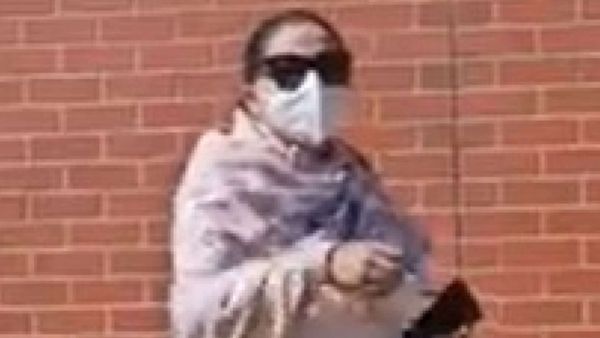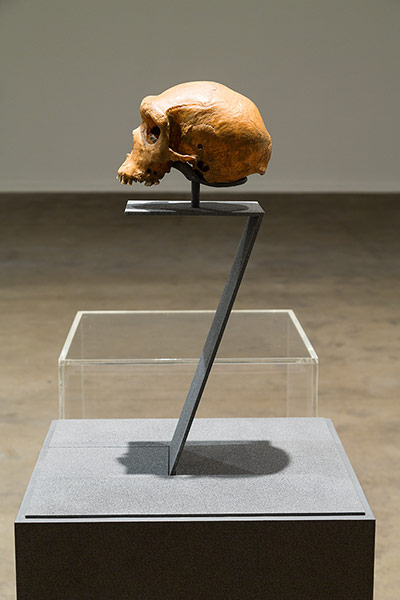
In 1921, miners in Zambia’s Broken Hill unearthed an ancient skull. Their find provided evidence of a missing link that suggested humans were descended from primates and apparent proof that Darwin had been right. But the Broken Hill skull that normally sits in Zambia’s Lusaka National Museum is a fake; the original is kept in London’s Natural History Museum. Now, Bangkok-based artist Pratchaya Phinthong has brought the storied replica to London, along with Kamfwa Chishala, the Zambia museum guide. Chishala’s here to unravel the object’s history, including the replica’s creation by the Natural History Museum when Zambia requested the skull be returned.
Chisenhale Gallery, E3, to 1 Sep
SS Photograph: Mark Blower/PR
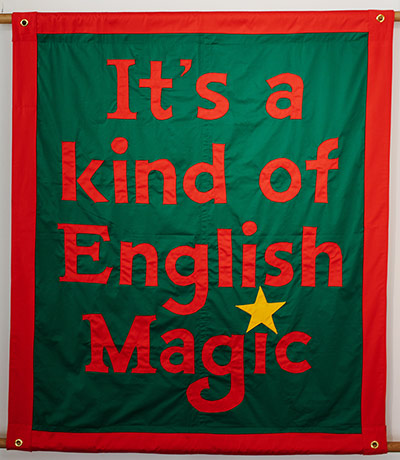
This taster of Jeremy Deller’s British Pavilion at the Venice Biennale provides some quirky cultural resistance from the heart of officialdom. British cultural politics are key to Deller’s work, and he’s one of the few invited to represent their country at this revered art event to tackle national identity head-on. Blighty is envisaged both as a land of eccentricity and dissidents, from Bowie to William Blake; and prey to parasitic heritage, new money and corrupt power. Deller’s English Magic, with a bird of prey crushing a Range Rover and the Lord Mayor’s Show set to a steel band soundtrack, offsets a near-future vision of the sacking of St Helier in Jersey when Britons revolt over tax evasion.
British Council, SW1, to 21 Sep
SS Photograph: James Gifford-Mead/PR
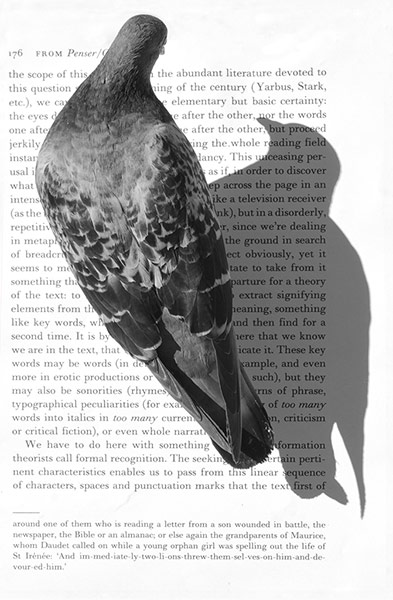
This show of image and text art tries to get its chops around the problems related to trying to “read” art. The conceptualist literary group Information As Material, and the artist and curator Greville Worthington, have taken it upon themselves to try and turn the gallery (which sits above Sunderland city library) into a treasure trove for the printed word. The intellectually demanding project might be seen to prove that all art is both conceptual and aesthetic, with ideas becoming embodied in forms that enable the ideas to creatively thrive.
Northern Gallery For Contemporary Art, to 21 Sep
RC Photograph: PR
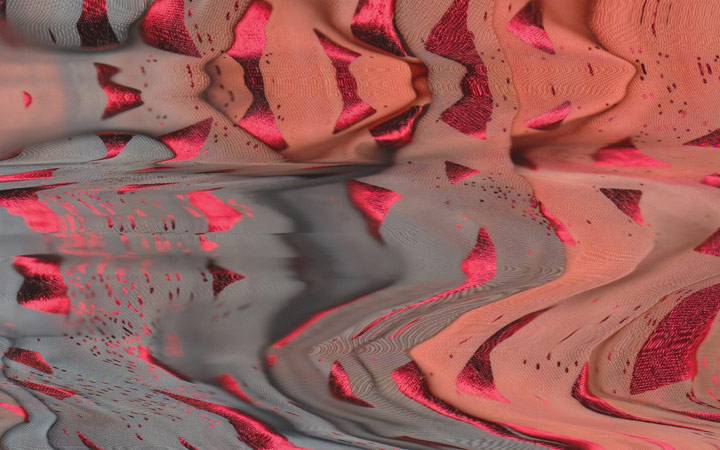
Multimedia exhibitions are often advertised as providing “an immersive experience” for the gallery visitor. But it is unusual for a show to transcend the self-conscious air of sober-minded reflection that the standard modern-day “white cube” gallery generates. Buckley deals in fragments of personal and collective memory; film clips from her own life (with music from New Young Pony Club guitarist Andy Spence) are cut in and collaged together with flashes of pop culture. Titled The Magic Know-How, this installation of light and video images projected through semi-transparent abstract structures is that rare thing: an exhibition that’s fully capable of seducing you into momentarily forgetting you are looking at art.
Site Gallery, to 21 Sep
RC Photograph: PR
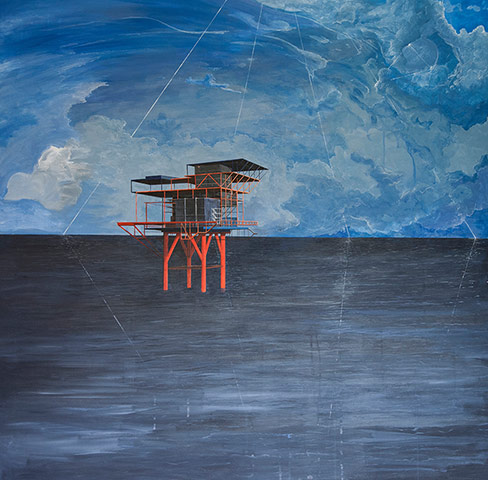
Joe McKenna is one of the most promising landscape painters to emerge over the last decade. Few other artists of his generation have so convincingly adapted the landscape tradition to our ecologically threatened world. McKenna sticks to the traditional landscape format – there’s generally a foreground, horizon and sky – but what he does with these simple elements is always surprising and exciting. For such a young artist he adopts technical and compositional elements from the awesome landscape visions of such historical figures as Canaletto and John Martin with remarkable assurance.
LCB Depot, Mon 12 Aug to 22 Aug
RC Photograph: Joe McKenna/PR
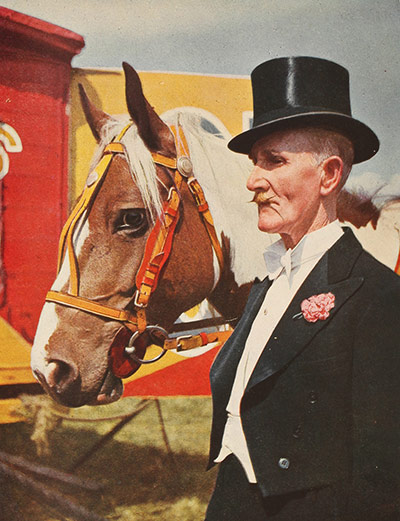
Mass Observation, Britain’s first big sociological study-cum-movement, was created in the 1930s, not by scientists, but a surrealist painter and film-maker, Humphrey Jennings, and a poet, Charles Madge. With the help of volunteers, they set out to get beyond media stereotypes and record the lives of the working class. This show is the first to focus on its photographic archive alone, concentrating on MO’s output up to the 1960s and then from the 1980s when the project was relaunched.
The Photographer’s Gallery, W1, to 29 Sep
SS Photograph: John Hinde/PR
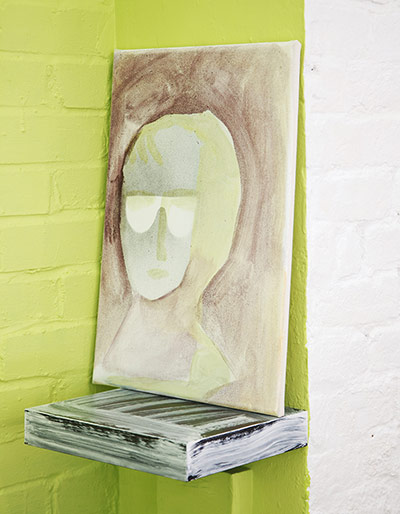
Kate Hawkins' loose and airy canvases upend their status as images for gazing at by channelling the traditional high-street pursuit of people-watching. Depicting eyes of all kinds – from the cool gaze of sunglasses to the beady eyes of an owl – these are paintings that look back. Rather than hang her pictures, she turns them into actors in a stage set, presented on a clothes horse, coat stand or folding screen so they look more like people than paintings. Mary, a depiction of a stiff bobbed hairdo and dark eyes, hung on a leggy tripod, refers to Mary Portas (of Mary Queen Of Shops fame), whose ill-fated government-sanctioned attempt to make over the high street has become the stuff of local legend.
LIMBO, to 18 Aug
SS Photograph: PR
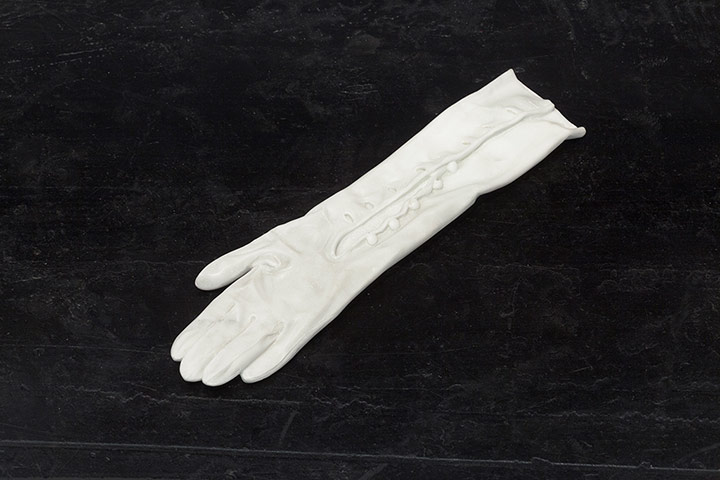
Peter Liversidge pays homage to the 19th-century Austrian symbolist printmaker Max Klinger. In 1881 Klinger published The Glove, a set of 10 etchings that have haunted lone artists and unrequited lovers ever since. The Glove follows the psychosexual quest of Klinger himself as he attempts to seek out the woman whose elbow-length white glove he rescued after she dropped it on a Berlin roller-skating rink. Liversidge here recognises the significance of Klinger’s proto-surrealistic work, as it embodies the circumstantial mysteries of both obsessions: love and creativity. Klinger’s tiny original images have been here enlarged through silkscreen processing so his dream protagonists assume a lifesize presence.
Ingleby Gallery, to 21 Sep
RC Photograph: PR