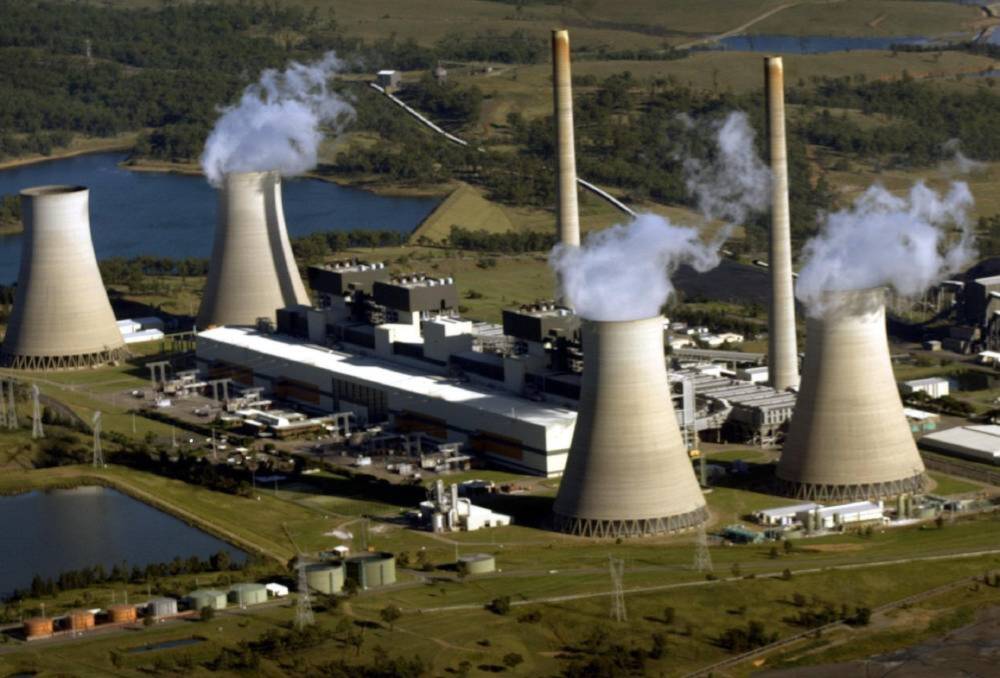
A five-year audit of Australian coal-fired power station emissions data shows efforts to reduce pollution have largely been ineffective, despite an estimated 4000 premature deaths occurring from exposure in the same period.
The audit of National Pollutant Inventory data for 11 coal-fired power stations, undertaken by Environmental Justice Australia, found that when decreases in electricity generation were accounted for, there had been little change to the amount of toxic pollution coal-fired power stations emitted.
Among other findings was the revelation that dangerous spikes in toxic pollutants continue to occur at some power stations.
According to recent peer-reviewed research approximately 72,500 children suffered asthma attacks and symptoms in the last five years, 4250 babies were born underweight, and 4000 people died prematurely from exposure to toxic air pollution from coal-fired power stations.
"Coal-fired power stations remain the biggest source of controllable air pollution in Australia. Not only have dangerous pollution levels remained relatively unchanged over the last five years, we continue to see huge inexplicable spikes in pollutants that pose a serious health threat to exposed communities," Singleton GP Bob Vickers said.
"Coal-fired power stations continue to produce vast quantities of the air pollutants most toxic to human health such as fine particle pollution and oxides of nitrogen. There is no safe level of exposure to these toxic pollutants."
In NSW Liddell Power Station's emissions of Liddell's emissions of toxic pollutants increased by 16 per cent, correlating with an increase in electricity generation by 14 per cent. Liddell's emission of oxides of nitrogen and sulfur dioxide increased by 17 per cent and 19 per cent, respectively.
Bayswater emits more mercury than all the other NSW-based power stations combined, at 60 kilograms per year. The four other power stations combined emitted 45 kilograms of mercury.
Delta Electricity reported decreases last year in coarse and fine particle pollution from Vales Point Power station. It followed significant increases the year before.
The NSW EPA investigated a complaint from Environmental Justice Australia that alleged the company had failed to operate the plant in a proper and efficient manner.
An EPA spokeswoman said the investigation found "an unexpected failure" of filter bags resulted in elevated particulate emissions from the power station.
"The resulting air emissions were within the safe particulate concentration limits permitted under the Vale Point's environment protection license and the Protection of the Environment (Clean Air) Regulation," the spokeswoman said.
"The filter bag failure was unanticipated and occurred within the manufacturer guaranteed working life of the bags.
"There was no evidence of plant and equipment being maintained incorrectly.
The investigation did not find a breach of regulatory conditions.


.jpg?w=600)